Lostman's Star
Not all those who wander are lost, but I certainly am!
Taking Travel for Granted: A Response
Hello gentle readers, apologies if this article ends up being late, I’ve written it rather more quickly than the others in the hopes of being able to publish it this Tuesday. The reason for all this rush lays squarely on the shoulders of one Eris Mullins. Please do follow @ErisMullins on Twitter if you haven’t already, they’re a wonderful writer, and a dear friend who is working very hard on getting their first book published. They informed me recently that if I wanted to become a published author myself (which would be a dream come true) I would need to increase my presence on Twitter. Unfortunately that led to some distractions, but happily one such distraction ended up being productive and inspiring!
It was a couple of days ago that I was browsing some travel blog twitter accounts when I came across SOStravel and began reading the articles therein. The blogger, Sam, is a wonderful writer and you can follow her on Twitter as well @Sostraveluk. In her latest article she has written about the Covid pandemic, and how it has affected not only her future trips, but how she would plan them out from now on. It seems that she, like so many others, have had many an issue dealing with travel agencies who are breathing dragon-fire at anyone who dares demand quality customer service. Sam if you read this I hope everything works out in your favour in that department. What really got me thinking though, was the question she asked right in the title: “Did we take travel for granted?”
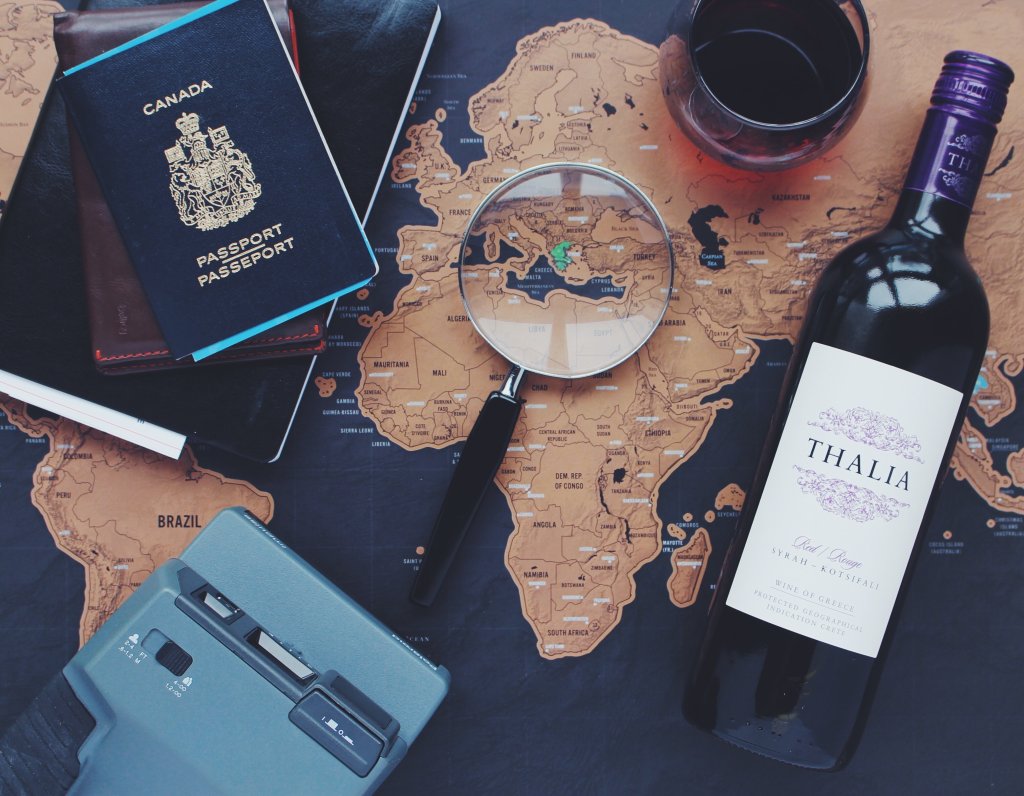
It’s a really good question, and I think anyone who is self-aware would respond with “Yes, absolutely, I and others took travel for granted before this pandemic came along.”
With a rising sense of shame I realised that had I read this article a couple of months ago there would have been no such introspection on my part. My high horse would have been the size of a Clydesdale and I would have been sat on it’s back without a moment’s hesitation.
Europeans and Brits absolutely do take travel for granted, but I thought that I would never do that because I knew how tough travel can be for Canadians.
Let me explain.
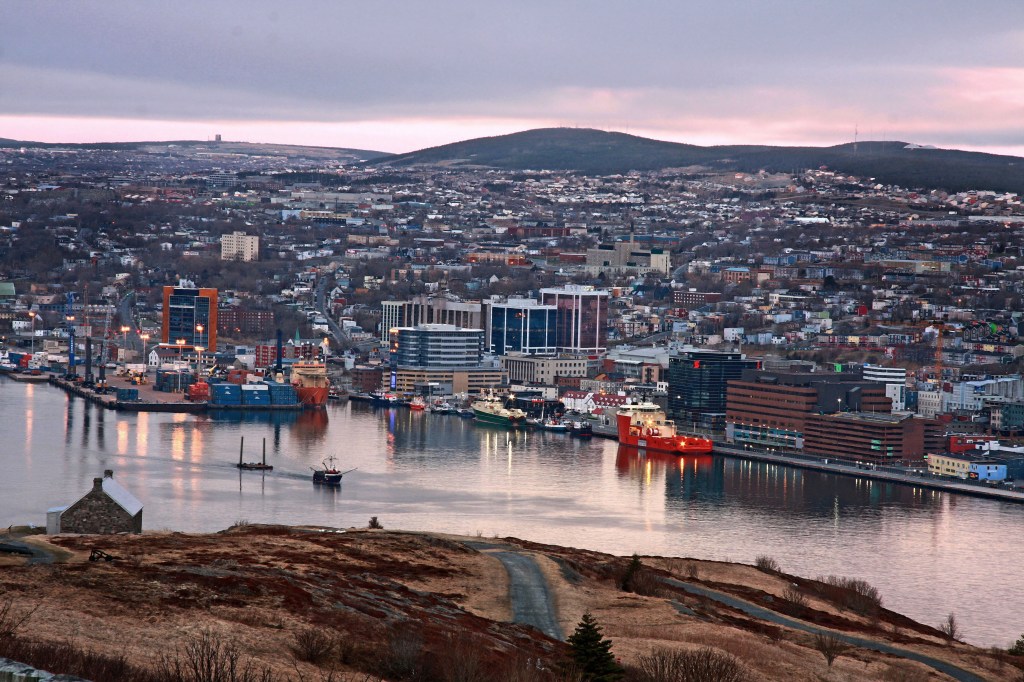
I once planned a week long family vacation from my hometown in Ontario to several cities in Newfoundland. It’s four provinces away, and we had high hopes of going to St. John’s, Gros Morne National Park, and L’Anse-Aux-Meadows. Upon having completed the project I immediately began a second one, as a comparison. I quickly realised that the same amount of money and significantly less time could be invested into a two week long vacation to England and Scotland. The road, just from St. John’s to L’Anse-Aux, is longer and takes more time to travel than the road from Brighton on the south coast of England, to Inverness in the highland of Scotland.
Four hours of driving won’t even get me near the borders of my province. Four hours of driving in England and I would have been encroaching on Scotland or Wales depending on which way I’d gone.
England is also more compact, and therefore so is all of it’s history. When I was there I would go on day trips to explore small towns, castles, or even cairns! I was shocked but yes, cairns! Ancient, stone aged monuments and megaliths, free and open to the public, and you could go right up and touch them! With dozens of them, hundreds of little hamlets, and thousands of pieces of history all at my finger tips for the very first time in my life, I was devouring every morsel of this new historical contact with increasing appetite.
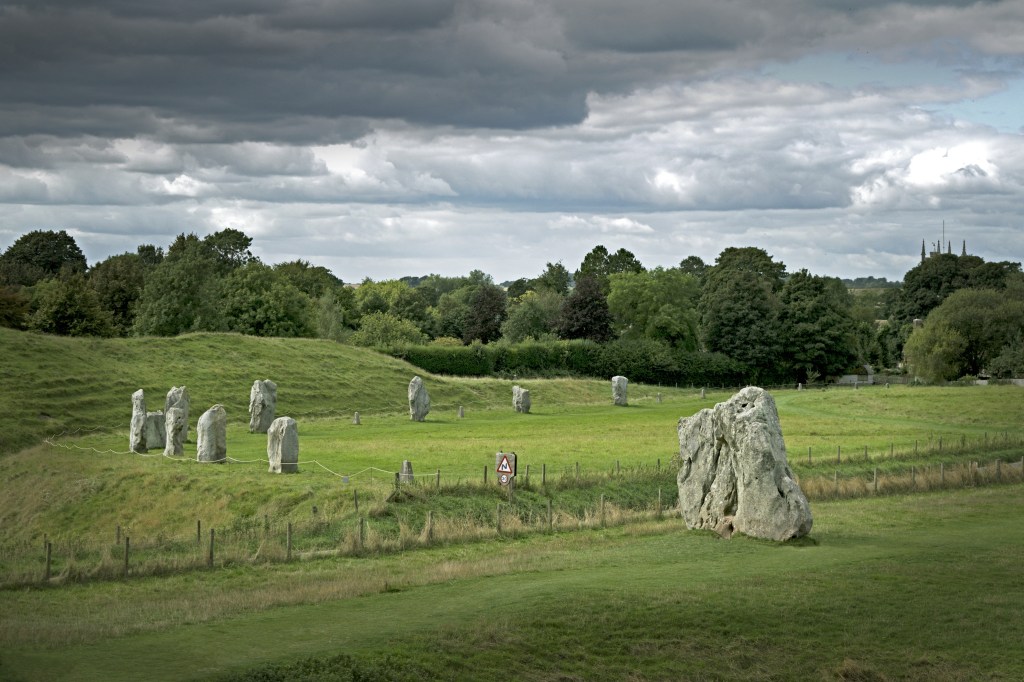
In Canada, there’s none of that. There’s a lot of natural beauty, but physical remnants of history? Not so much.
When I came back to Canada in October of 2019, it was like going from feast to famine, and I made that shift without an ounce of grace or gratitude. I think, though am not certain, that I fell into a depression. It was not pretty. It’s still not; but irregardless of any of that Covid-19 has come for me and my arrogant attitude like a swift kick from a frozen mukluk.
It took a hot minute for the cabin fever to set in, but about a month into social distancing and business closures I was starting to look forward to going to the grocery store. I had begun to drive for the first time in my life, and suddenly everything was interesting.
I wanted to know the boundaries of my small town. I wanted to know which way our neighbouring towns were, and map them. I wanted to know where the fancy houses were, what the names of their restaurants were. I wanted to know where the forest swallowed up their streets. I wanted to know my way around my new territory by heart. I didn’t even need to get out of my car, it was enough just to go.
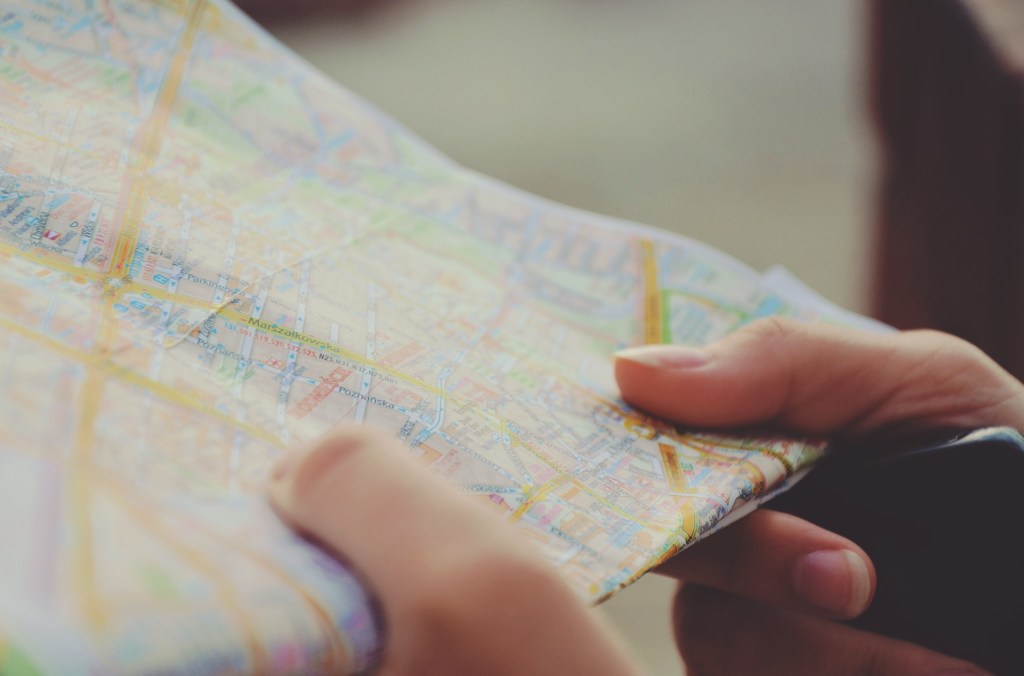
There was a moment while reading Sam’s article that was very disillusioning. Each location she mentioned had my envy growing, Marrakesh, Wroclaw, and Taghazout, I knew that if I had the opportunity I would explore every nook and cranny of those places. Yet I came to the realisation that from October to the beginning of April I had done nothing but mope. For months I had taken it for granted that there was nothing to see around me. I had forgotten that travel and history are not inextricably linked. Depression or no, I hadn’t exactly helped myself.
Now, slowly, I’m trying to remember the things I love about travel. The feeling of warm spring air through the car window, so welcome after months of hard, cold winter winds. The scent of tea in a travel mug, which smells inexplicably of Fruit Loops. Seeing the lights of a new town at dusk, or a snowy owl perched upon a telephone pole. The joy of passing a place you didn’t have time to visit just now, but that you’d make a note to visit later, and the pleasure of being able to finally see what it was when later finally came. The simple adventure of turning onto a road you’d never been down before, just to see where it goes.
I had forgotten those things. I, who thought myself immune, had taken travel for granted, in the same way that I think many others do. We forget what is right in front of us.
Forgetfulness is unfortunately not only a symptom of depression, but also of humanity. We act as though Covid-19 is unprecedented, but it isn’t the first illness to sweep across our species, nor will it be the last. I am thankful that thus far my loved ones have remained healthy and my sympathies go out to those who cannot say the same. Their stories should be told, but they are not mine to tell.
I am simply here to remind those who may have also forgotten: The most important part of travel is not the destination, it is the small, ordinary miracles and random moments, all strung together to form the journey.
 Lostman's Star