Lostman's Star
Not all those who wander are lost, but I certainly am!
Old Pompeii: The Reality
If you’ve read the previous part of this post you know that Pompeii was a city covered in ash when a a nearby volcano exploded in 79AD. The town lay smothered for centuries until excavation of the site started in 1738. When you visit it’s easy to accept these sterilized words as the truth, as easy as it is to roam the ancient city enjoying the architecture and the sun.
It’s not the truth, though.
That story is missing details, just like the city is missing disaster.
The truth is that the citizens of Pompeii and Herculaneum suffered a devastating fate, none of which was clean, curated, or even unexpected.
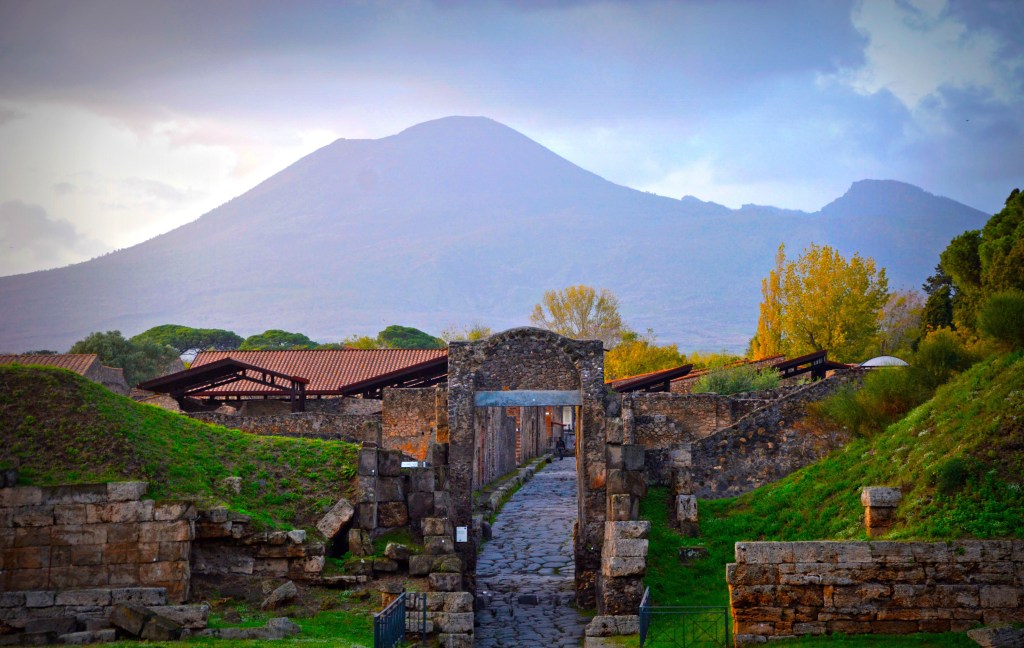
Unlike the movie Pompeii where the locals think of Vesuvius as a grumbly mountain, the true Romans knew they had built their town near an active volcano. Fertile soil and hot springs make for an ideal resort destination, and when the earthquakes came they knew exactly what that meant. Fifteen years before Vesuvius blew one earthquake nearly levelled the town at which point many wealthy families simply left and did not return. Many more would flee when the earthquakes became more frequent in the days leading up to the eruption. When the mountain began to smoke still more fled to neighbouring towns or out to sea.
Vesuvius smoked for a full day before unleashed it’s wrath upon the world.
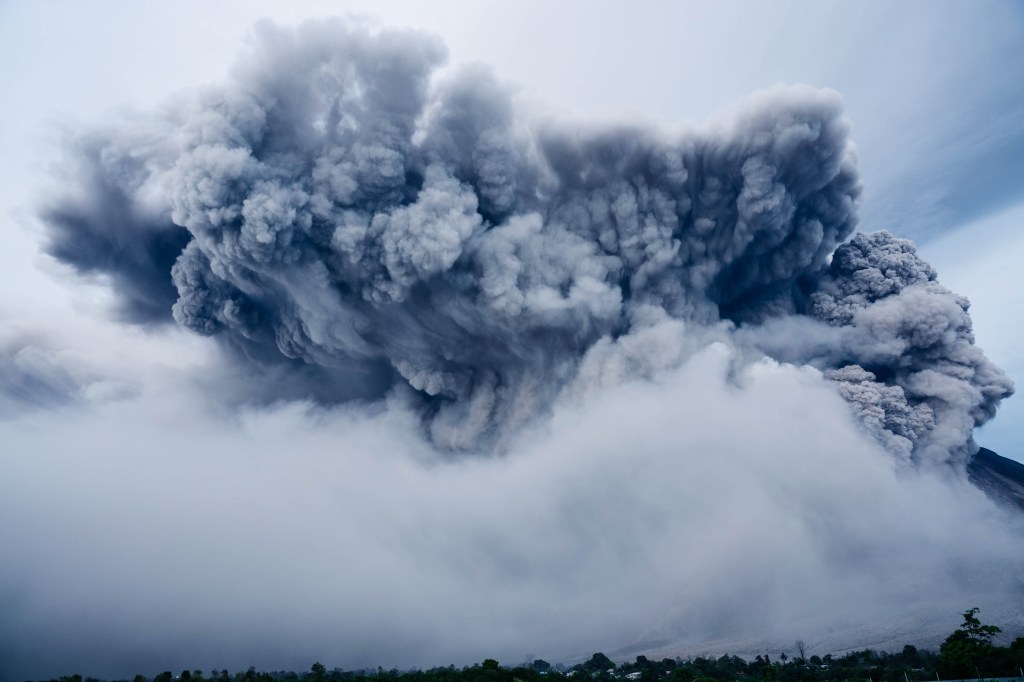
When Vesuvius erupted those who were still evacuating were hit with earthquakes and tidal waves. A massive black cloud shot up from the mouth of the volcano, blotting out the sun. They were plunged into an unnatural night as the cloud fell, raining down ash, stone, and pumice. With every breath moisture turned ash to cement in their mouths. Hot, noxious gasses filtered down, suffocating more victims. Desperate gasps for air only dragged more poison into their lungs. In Herculaneum some took shelter in the boathouses which lined the harbour. Women and children crowded in the back while men stood near the entrance. The ash piled ever higher until eventually they were sealed in. Poisonous gas, ash, and dust descended to suffocate them while the heat vitrified the brains in their skulls. Those who were caught directly in the pyroclastic flow would have perished in seconds from the sheer heat of the cloud ripping over them. Most of the people left in Pompeii were either poor or slaves. They had nowhere else to go.
If you want a glimpse of what that looks like, search for a building with three walls and a roof. If I remember correctly it’s in the center of Pompeii. This is where you will see the remains. When Vesuvius erupted the ash fell so deeply that pockets of air and bones were left after the bodies rotted away. Archaeologists began to discover these air pockets and soon came up with the idea to pour molding material into the hollows. They were left with a rough cast of what the victim looked like when the volcano took their lives.

A sweeping glance might fool you into thinking their death was peaceful. The casts look like depictions of people who simply died in their sleep with their loved ones nearby. They’re fascinating if you don’t look too close or think too hard about it.
The dog makes that impossible.
His contortion makes it obvious. He is forever fighting death and the chain that damned him.
Glance around again and you might begin to notice how the human casts don’t sit quite right, either. They’re not as placid as they first appear. They’re rigid in desperation. Their expressions are pained, fearful.
It’s certainly not a display for small children, but I think it’s best to see it when one is young.
I saw it at twelve. Wise enough to know that these casts were to be respected; not yet educated enough to know what happens to a body when it’s subjected to an act of God; ignorant enough to stand fearless in the shadow of an active volcano while I admired it’s work.
I just knew that the people I saw felt how the dog looked. That’s enough for any child to understand. As an adult my advice is try not to think about it too much, but remember what warning of the grim faced casts: Run while the skies are still clear.
 Lostman's Star