Lostman's Star
Not all those who wander are lost, but I certainly am!
Culloden Battlefield
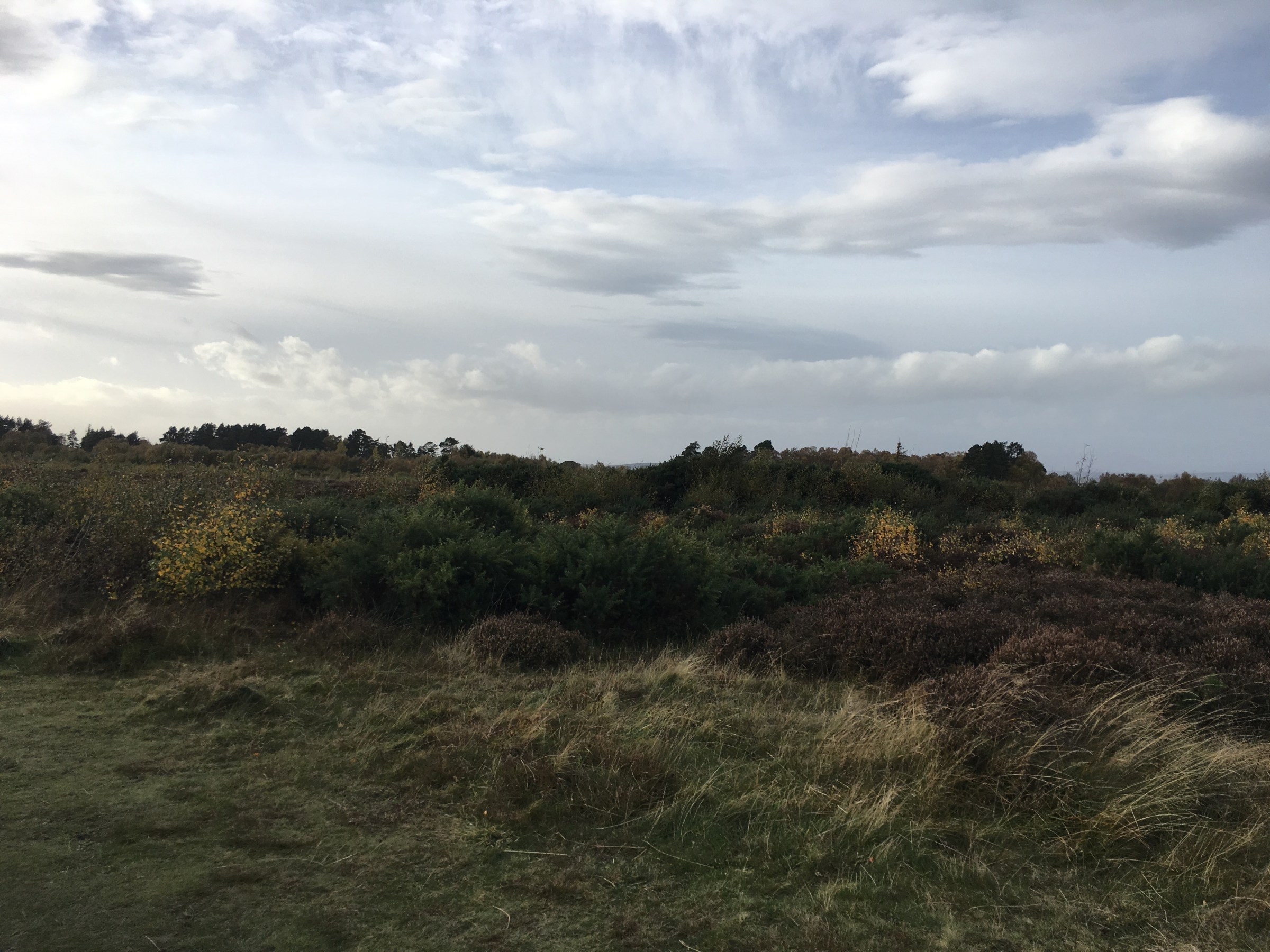
If you’ve read or seen Outlander, or have a friend or family member who has, you’ll have heard of Culloden. It took place in 1746, and in grand fashion Claire begs Jaime not to go. Being from the 1940s, she alone knows the outcome.
It’s a bold assumtion, especially considering the odds were blatantly stacked against the Highlander army.
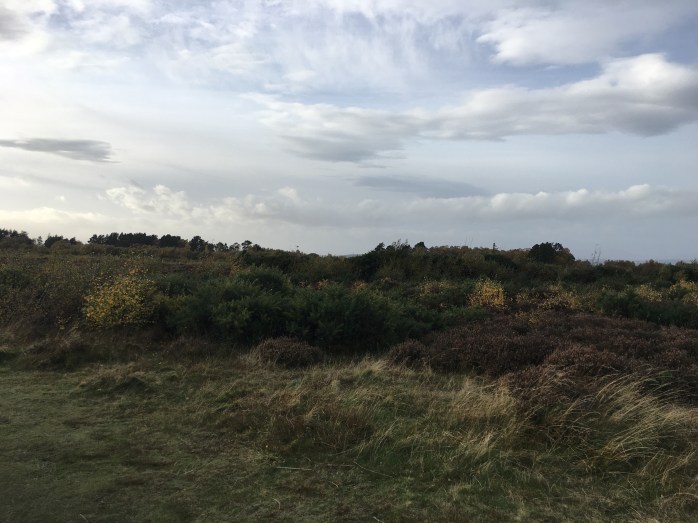
‘Bonnie Prince Charlie’ or Charles Edward Stuart was the leader of the Jacobite army, and self proclaimed rightful heir to the English throne. In his quest for said throne, he eventually decided that the best place to fight the English would be Culloden Moor.
I’m guessing there were a few choice words to be had when Charlie’s troops were informed.
Culloden Moor was a marshland, and the highlanders knew it. What’s worse is that Charlie knew it, too.
His rather more sensible generals proposed encamping on a hill. It’s the most basic of battle tactics right after ‘don’t open the gates’, but presumably before ‘don’t fight in a marsh’; take the high ground and your enemy will be fighting both you and gravity. With the Jacobite army at 7000 and the English at 8000, this position would have given the Jacobite army a desperately needed edge.
Charles didn’t listen. What can you expect from someone whose motto is “God and My Right”?
When the battle was over mass graves were dug and Highlander bodies were buried as best they could with their own clans. Eventually the battlefield became overgrown, and had almost become a forest for lack of knowledge when the Scottish Government cleared all the trees, found, and tends to the graves. You might think it bizarre that they cleared the field of trees, but the truth is that the English Government essentially left the battlefield to the elements for a purpose. They wanted the uprising forgotten, and if the clans lost the graves and lost the field, then hopefully it would be lost to history.
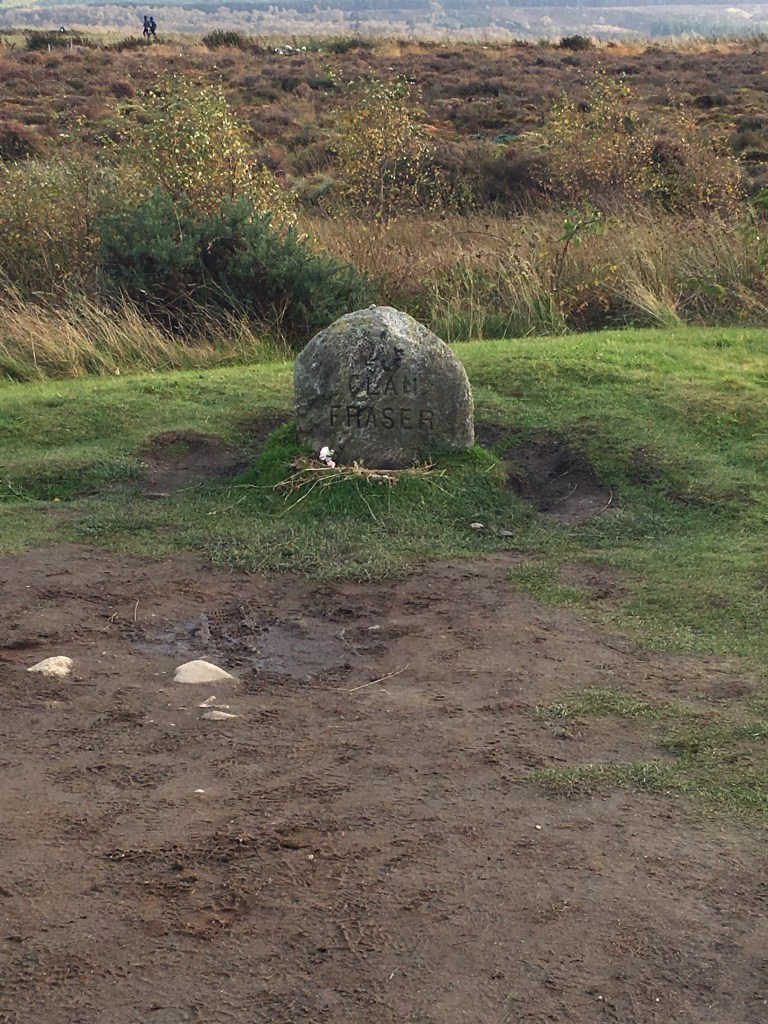
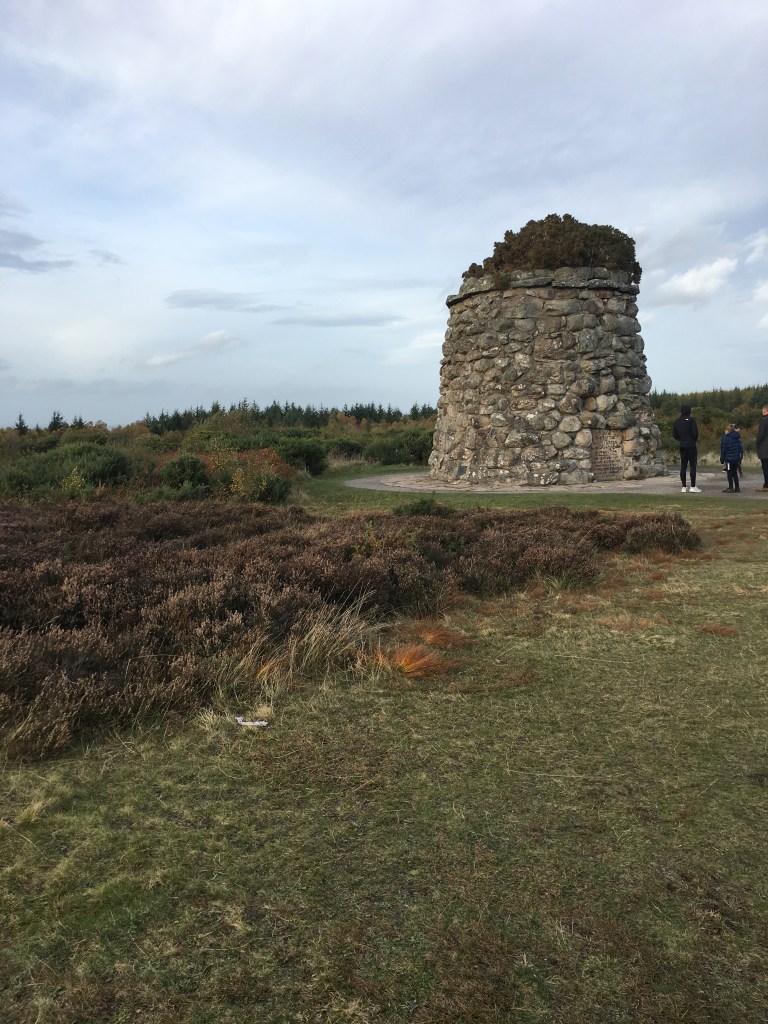
Today the battlefield is a museum, memorial, and well kept field. Stones with clan names mark the mass graves, and a memorial tower built by Duncan Forbs stands watch.
Admitedly Culloden looks like it’s in the middle of nowhere, but the field and Clava Cairns are both very close to each other and accessible by the Inverness city bus. The museum has an £11 entry fee, but it’s well worth it. They tell the story of how Culloden came to be, and it’s aftermath. They also have plenty of interesting artifacts and informative exhibits. Give yourself plenty of time to explore the field, the museum, and the nearby cottage where the wounded were treated. I’d say you could probably spend half a day there, but at minimum you’ll likely be there for two to three hours. Add the Clava Cairns and you could probably make a day of it.
Bring good walking shoes, it can get muddy! Bring your camera too, the scenery is hauntingly beautiful in all seasons. If you plan to stay out all day bring yourself a lunch and some water. You’ll be walking a fair bit. Bring a phone battery in case you need to call a cab, and a paper map in case you get lost. There aren’t exactly a lot of neighbours out there!
Are there any other battlefields you know of that are worth a visit? Let me know in the comments!
Wash your hands, wear a mask, and stay safe gentle reader.
 Lostman's Star