Lostman's Star
Not all those who wander are lost, but I certainly am!
5 Things to Consider when Choosing Fall Foliage Destination
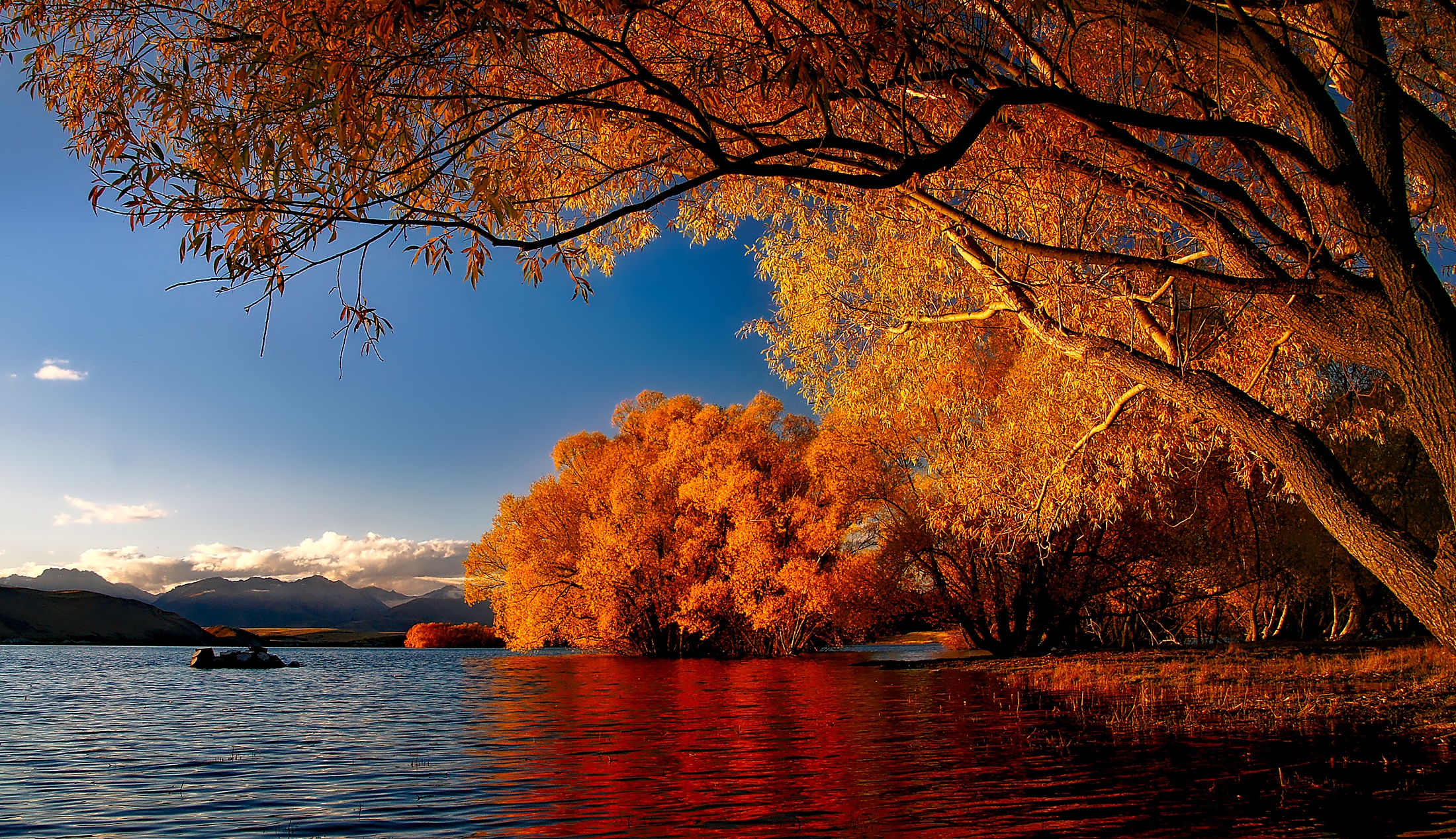
I’m sure half of the people reading this are wincing while the other half are leaping for joy. Where I live there’s already a distinctive nip in the air. Not every day of course, but that distinctive chill is already whispering the famed Stark words. Winter is coming!
Depending on where you are in the world, the season for fall foliage is coming up, and again, depending on where you are in the world, this is roughly the time to start planning your sight seeing. You’ll want to take a few things into consideration when you’re planning your foliage
#1. Climate
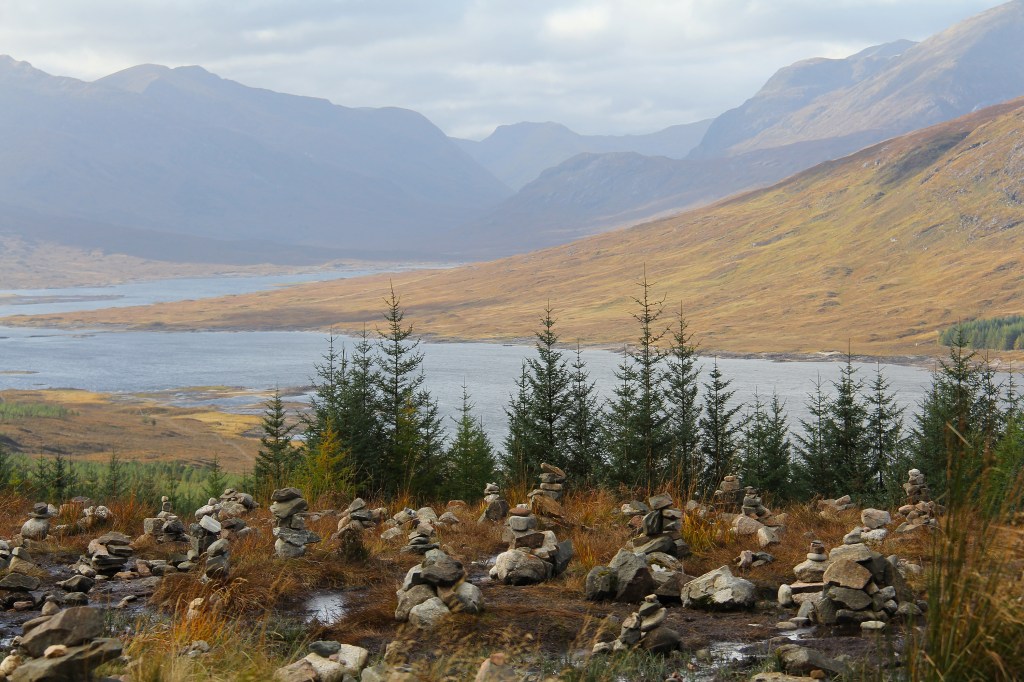
The climate of your chosen destination will affect what kind of foliage you’re viewing. If you want a wall of reds, deep orange, and yellows, you’ll do well to aim for a temperate climate. Think Kyoto, New England, Amsterdam, places where maples and especially oaks can grow. Those are the trees which will give you the deep reds and burnt oranges. Beeches and chestnuts will give you your yellows. Harsher climates will bring in more evergreen trees and, as their name suggests, keep more deep green in your view. You may also wish to consider a harsher climate which has few to no trees like highlands of Scotland, where the grasses turn orange and the heather blooms purple in the fall.
#2. Timing
You’ll not see any of New Zealand’s fall foliage if you’re there from September through November. Their autumn happens from March through May. Likewise, if you come to Canada in November expecting our maples to be in full fall bloom you’ll have missed the show. When you know which climate you’d like to visit, it’s important to research when the best time is to visit it for the kind of view you want. Don’t assume it’s the same time as yours!
#3. Popularity
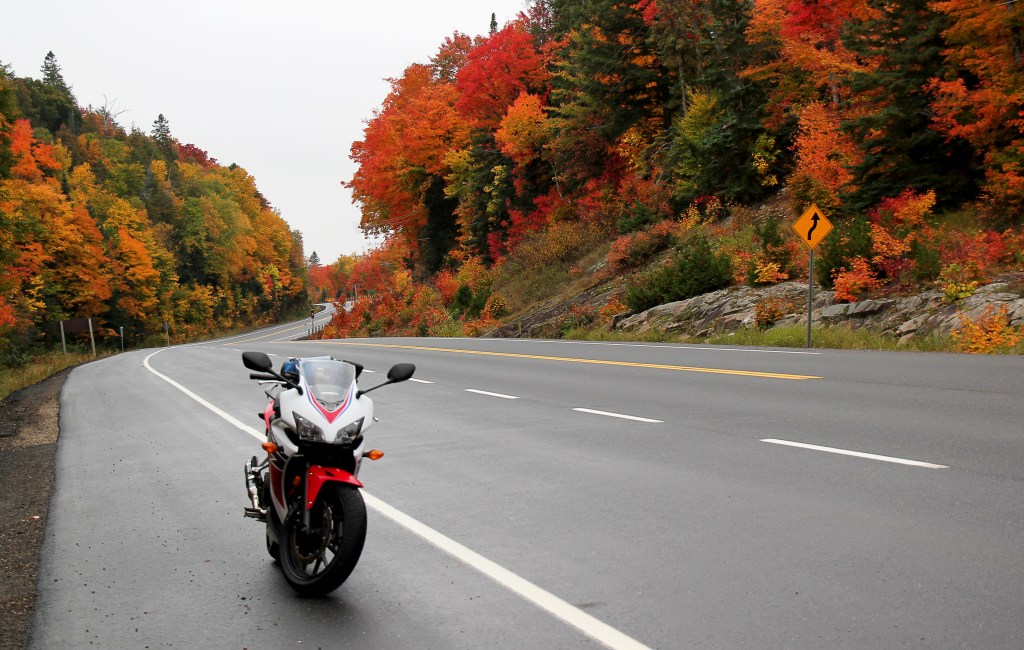
While specifically viewing the fall foliage isn’t the only reason you might visit a place, you should consider whether or not everyone else is going to be doing the same. An October plan to visit Salem or Sleepy Hollow will need to be booked much further in advance than a visit to Algonquin Park. Tiny Salem town will be bustling, Algonquin Provincial Park, which is twice the size of Rhode Island, will be less so. If you know your destination will be popular I suggest having your fall excursion booked by the spring of the same year.
#4. Ease of Access
Inverness has an airport, and to get to Culloden, an excellent place to view the fall foliage in Scotland, you can take a city bus and walk a short way. Not that you really need to. Inverness is surrounded by trees and fields, and is situated in a valley of sorts. You can be in the city center and still see all the beautiful colours. Most cities in Ontario, even the Greater Toronto Area, are full of and surrounded by trees and will give you a similar effect. The same can’t be said of London or it’s boroughs, which would require a significant train ride before you begin to see anything resembling countryside.

#5. Wildlife
If you’re viewing the heather out on Culloden, you are unlikely to be attacked by a bear. They’ve been extinct for several centuries in the British Isles. Algonquin Park is rather a different story. You’ll be smack dab in the middle of their territory, in the time of year when they’re actively looking for food. You might not be their preferred item, but rest assured you are still on the menu. Beware of moose, too. They’re the Ice Age megafauna leftovers, much bigger than you probably think they are, and the bulls are aggressive. Research what wildlife you might encounter before you go!
Hopefully this helps, and keep in mind that while Canadians are welcoming back our American friends, we are doing so only if they can provide proof of vaccination against Covid-19. September 7th is the intended date we intend to open our borders to the rest of the world with the same proof of full vaccination.
Wear a mask, wash your hands, and stay safe gentle readers. We’re getting there!
 Lostman's Star