Lostman's Star
Not all those who wander are lost, but I certainly am!
Preparing for a Hike: 5 Dos and Don’ts

It became obvious over my hike to Lion’s Head Lookout that there are a lot of people who do not know how to properly prepare for a hike, and I’ll be honest it made me very worried for the folks I passed. There were so many tiny things that, changed, could have made their experience much more comfortable, so I thought I’d put together a list of dos and don’ts on the offhand chance that you, gentle reader, are planning a hike and are not sure how to prepare!
Let’s start with things you should do.
#1. Bring enough water.
I drink about one bottle of water per hour on the trail. Pack accordingly!
#2. Bring good walking shoes.
There’s little that makes me cringe more than watching someone hike in flip flops or flats. Their poor feet! At the very least you should have a set of sneakers with some good grips.
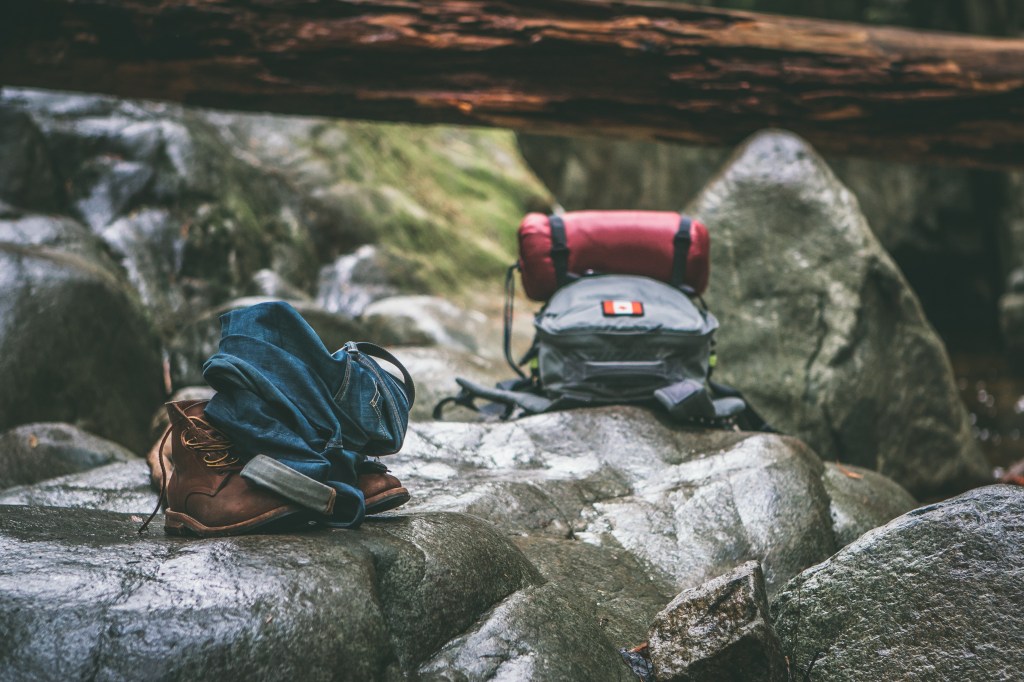
#3. Dress appropriately.
Don’t be hiking in a tux. It may be a bit warm but I prefer to wear athletic leggings when I hike, that way poison-ivy and ticks are less of a worry. This category includes sunscreen and bug spray too!
#4. Research the trail ahead of time.
Can I hike the Bruce trail to Lion’s Head lookout? Absolutely. Can I climb Chomolungma? Nope! A bit of research will help you decide whether or not a particular hike is suitable for your fitness level and preference. Be sure to check the weather, too. Look for an fairly cool, overcast day, and stay away from days where it rains either before or after your planned adventure. If you hike before the rain, the bugs will eat you alive. After, and you’ll end up muddy at best, injured at worst.
#5. Pack food.
No one plans emergencies. Pack food just in case you get a bit hungry on the trail, or in case you get lost. You never know! I usually pack a backpack with my water and a suitable lunch.
Now the things you probably shouldn’t.
#1. Don’t bother the wildlife.
Especially if that wildlife is dangerous like black bears, Massasauga Rattlers, or moose.
#2. Don’t leave without telling anyone where you’re going or how long you’ll be.
Although this rule holds true in most places, in Canada it’s especially important. We’re the second largest country in the world by land mass; that’s a lot of space to get lost in. Telling someone where you’ve gone is like giving a gift to your future self and your potential rescue crew. They’ll have a much better chance at finding you should things go terribly awry!
#3. Don’t bring cumbersome items.
You’ll be expending enough energy as it is, you’ll not want anything like a hefty purse getting in your way. Personally, I put walking sticks into this category. The trails I walk are never so harsh I would require one, nor is the wildlife ever so hungry as to see me as a meal.
#4. Don’t take children or pets on unsuitable hikes.
Children and pets like small dogs will require more water, food, energy and time than your hike would otherwise require. By all means bring them along, but make sure you’re prepared for their needs, and to take on the burden of carrying them out should the situation require it.
#5. Don’t leave trash on the trail.
If you’ve hiked it in, you can hike it out. If you’re the kind to bring a loo roll with you on hikes just in case, invest in some compostable doggy bags so you can hike your Toilet Paper out with you too. It’s your responsibility as someone who has used the trail to ensure that you also take care of it.
Wash your hands, wear a mask, and stay safe gentle readers.
 Lostman's Star