Lostman's Star
Not all those who wander are lost, but I certainly am!
Schloss Nymphenburg: Amalienburg
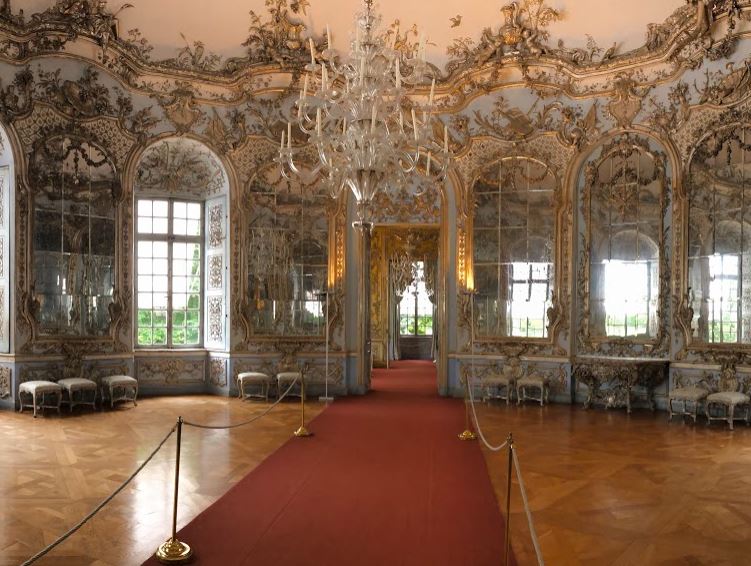
“You know what this hunting lodge needs,” said Karl, presumably, one day while looking out at the palace grounds, “a hunting lodge.”
And thusly, Amalienburg was made.
Karl had Amalienburg built and named after his wife, Maria Amalia. The Empress enjoyed hunting immensely, and the grounds of Nymphenburg were kept well stocked with pheasants and deer for the royal family to hunt. The dome is surrounded by a gated walk, and there are hunting bluffs upon the roof of the Amalianburg as well designed for shooting pheasants.
I must give credit here to Forest for having taken these pictures for me, she is by far the better photographer.

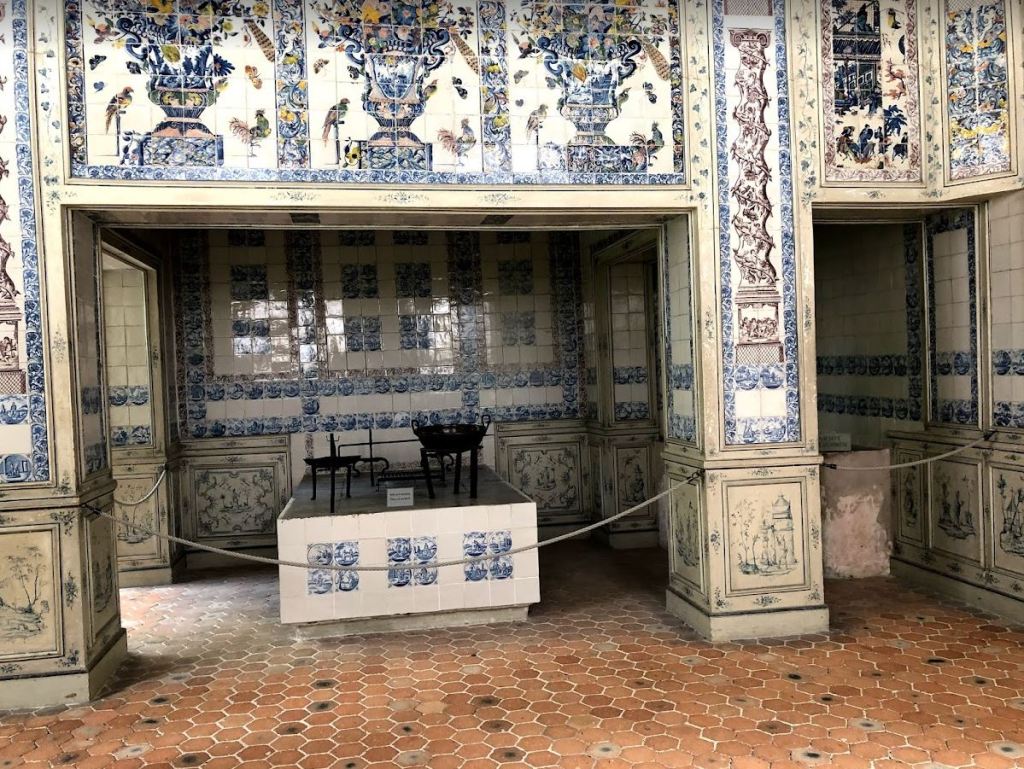
The interior was decorated in a style reminiscent to the Hall of Mirrors in Versailles, though with less nods to Apollo the Greek sun god, and more homage paid to Diana, the Roman goddess of the moon and hunt. The building has many small anterooms, including one with built in beds for hunting dogs and another with a day bed nestled within the walls of the room, the bulk of the palace is taken up with two rooms.
The first is a blue, circular, imitation Hall of Mirrors, which was likely used for entertaining on a smaller scale than the Great Hall of Nymphenburg Palace proper. This hall, and the smaller yellow anteroom which follow it, are to my mind the inspiration for Linderhof Palace’s bedroom. Having seen Linderhof first, it was easy to pick out those details of Amalienburg which Ludwig II loved about it and decided to bring to his own personal hunting retreat. It was very interesting to be able to see where Ludwig II’s inspiration had come from, and to imagine him combining all of his favourite parts of Amalienburg into one room.

The second largest room is the kitchen, decorated in Dutch tiles of Delft blue and touches of a style called Chinoiserie which had become popular in Europe. It’s important to note that this Chinoiserie was not, as one might think, true representations of any Asian country. The style was merely a western interpretation of what they thought Asia ought be. Those ideas could have come from books about the Asian continent, or from stories of those who had actually made the trips to those countries which weren’t altogether closed to foreigners, foreigners who likely didn’t have a full grasp on the significance of the styles they were seeing. Japan as well as China had, at times, very strict isolationist policies, so it’s not shocking that these interpretations are vastly inaccurate, beautiful though they may be.
When Forest and I finished at Amalienburg we made our leisurely way through the palace parkland, skipped across the canals, and had lunch at the café which is next to the greenhouses. The food was delicious, and if you have the money I definitely recommend trying it! Afterwards we headed off to the ‘Grotto’, or the Magdalenenklause. Coming next week!
 Lostman's Star