Lostman's Star
Not all those who wander are lost, but I certainly am!
Schloss Nymphenburg: Pagodenburg
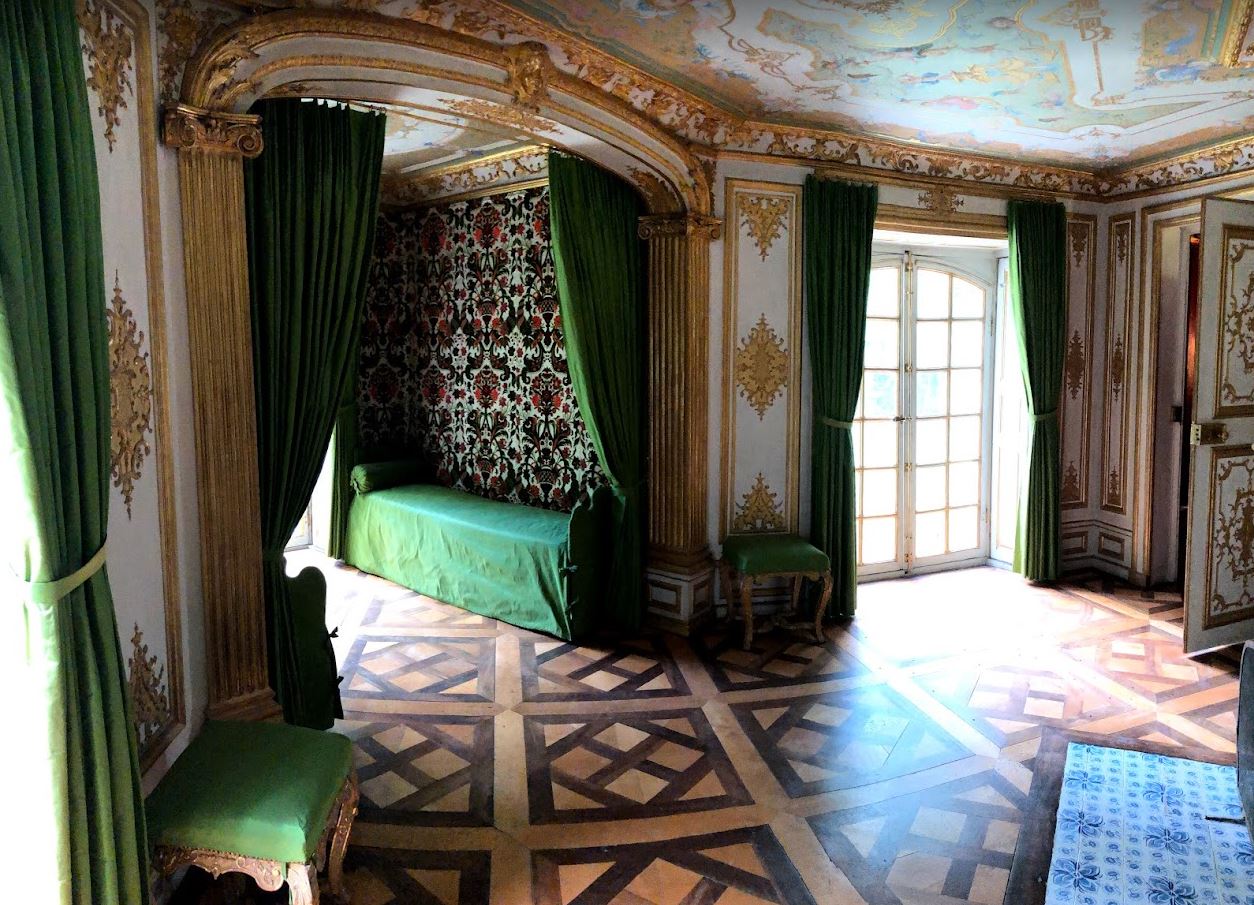
Remember how Amalienburg had a kitchen with Chinoiserie in it? The Pagodenburg is nearly a whole building of it. Obviously, unlike it’s name suggests, the Pagodenburg is not an actual pagoda. I know. I was disappointed, too. Pardon the lighting in these photos, Forest tried her best, but it was altogether too low in some areas and too bright in others.

That said it does have the strongest nods to Asia in all of Nymphenburg. The ground floor consists of the same white and blue style and Delft tiles that Amalienburg has, and is furnished with a round table and several couches. One of the four ‘wings’ consists of a staircase which leads to a boudoir in full orange and black Chinoiserie as well as a green room in the French regency style.
Inside the upper wings there are nooks for various uses. In the boudoir there is a games table, while in the green room there are small, one person couches which may have been used more as beds.
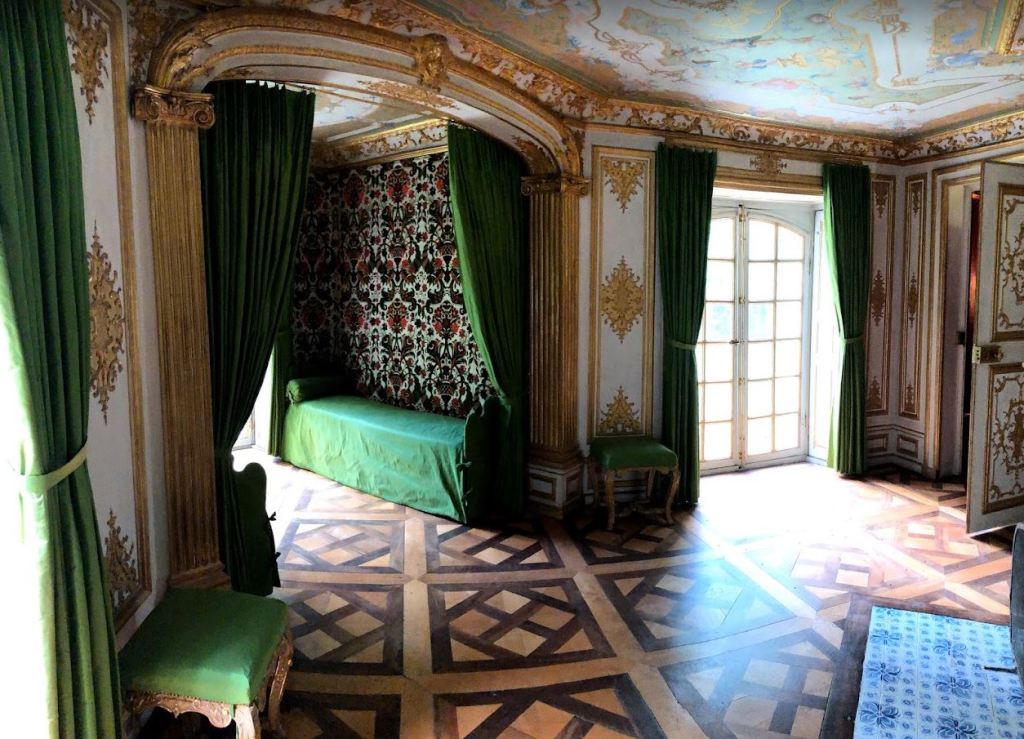
The purpose of this especially tiny palace was to give the royals and their guests a place to rest after games of Mailspiel. This, though it is described on the Nymphenburg website as being like Golf, is actually a lawn game more similar to croquet.
It’s such a small portion of the palace, but I get the feeling that a lot happened here. There isn’t much more lawn around the Pagodaburg than any other building on palace grounds, and it’s very far away from the main palace. It’s almost at the other end of the grounds, in a very private setting. There’s also a fireplace and a privacy curtain in the rooms with the beds. Mailspiel seems to me rather more of a summer, daytime occupation. Perhaps it was used as a resting place for other activities too, such as hunting on the grounds, or if one took a long walk on a cool autumn evening and happened to be caught in the rain.
 Lostman's Star