Lostman's Star
Not all those who wander are lost, but I certainly am!
Eat like a King: Must Try Foods in France

When one travels, one needs to eat. If you’re in France, then you’ve entered a world of fine cuisine with dishes, and of course pastries, just waiting to be tried. Here are ten traditional French foods, most of them, I admit, are desserts; but hey that’s all part of being French.
#1: Escargot
If you’re going to try snails, you might as well try them in France. If you can, try to find a place that doesn’t just drown them in butter and cheese. The French traditional style usually has parsley in the mix somewhere, and while they are served with butter, they aren’t swimming in it.

#2: Fondue
Just like escargot, if you’re going to try fondue you might as well try it in France. There are three different types. Chocolate, which is usually served with fruit; cheese, which comes with breads, apples, and veg like broccoli and tomatoes; and oil, which you dip bits of meat and veg in to cook. Honestly you might as well try all three if you can! Each pairs fabulously with wine, by the way!

#3: Boeuf Bourguignon
A classic, rustic, French beef stew with a name that gives pause to those not in the know. The sound at the end is decidedly French, there isn’t a sound like that in the English language. The closest English pronunciation is ‘boor-GEE-nee-awn.’ Just point at it on the menu when you see it and your waiter will probably pronounce it for you while they take your order. It usually has carrots, potatoes and onions in a delicious beef and red wine base.

#4: Éclaires
A tube of puff pastry filled with whipped cream, and usually topped with a strip of chocolate icing. The E in éclaires is pronounced kind of like the letter A in English, or Eh in Canadian. Ask for some Eh-Clares and you’ll soon have yourself a delicious, portable, and super French snack. I’ve had them for breakfast too, because why not, I’m on vacation!

#5: Madeleines
You can find these everywhere, from the fanciest bakeries to the highway side gas station. It’s pretty much a nationally iconic dessert. I will say that Bonne Maman make excellent Madeleines that are perfect for road trip snackies. I’ve seen them in Canada, England, France, and even Ireland if I recall correctly. Grab some of these if you want a little authentic taste of France.

#6: Mille-Feuille
Mille-Feuilles translates to a thousand pages or thousand leaves. It’s puff pastry! It usually comes in three slices, each separated by custard and topped with icing. This is definitely a sit down dessert, so don’t go ordering a Mille-Feuilles expecting to be able to munch on it while you’re driving.
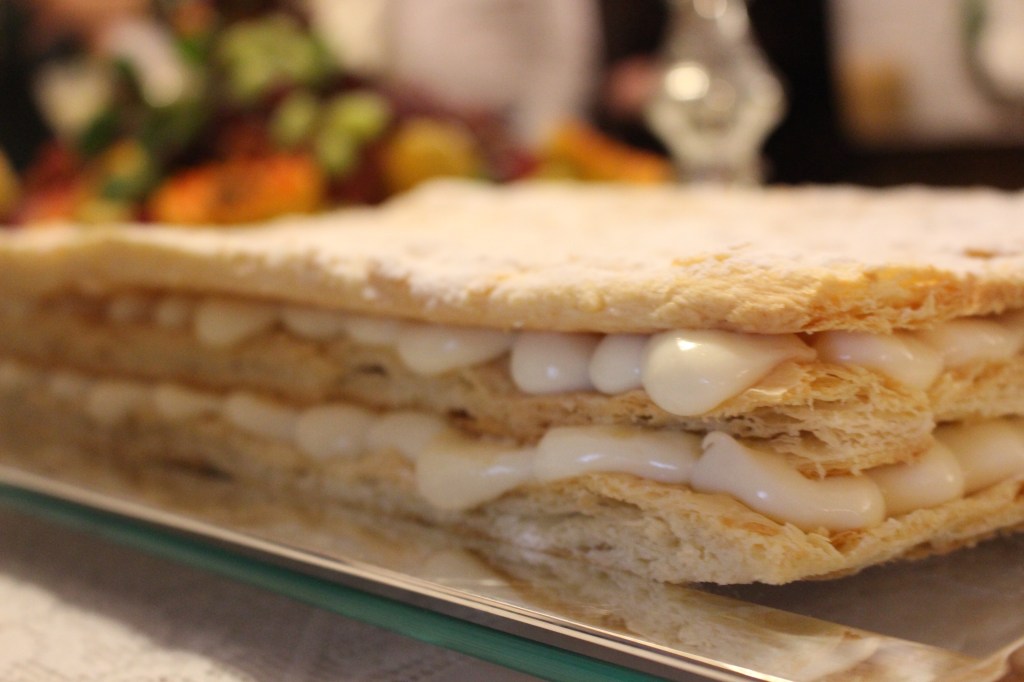
#8: Crème Brûlée
Exactly what the name means, burnt cream. Don’t worry though, it’s not burnt, just torched. The sugar on the top caramelises and if chocolate didn’t exist this would be my favourite desert. I haven’t found a best place to get this because it’s usually done pretty well in most places it’s offered.
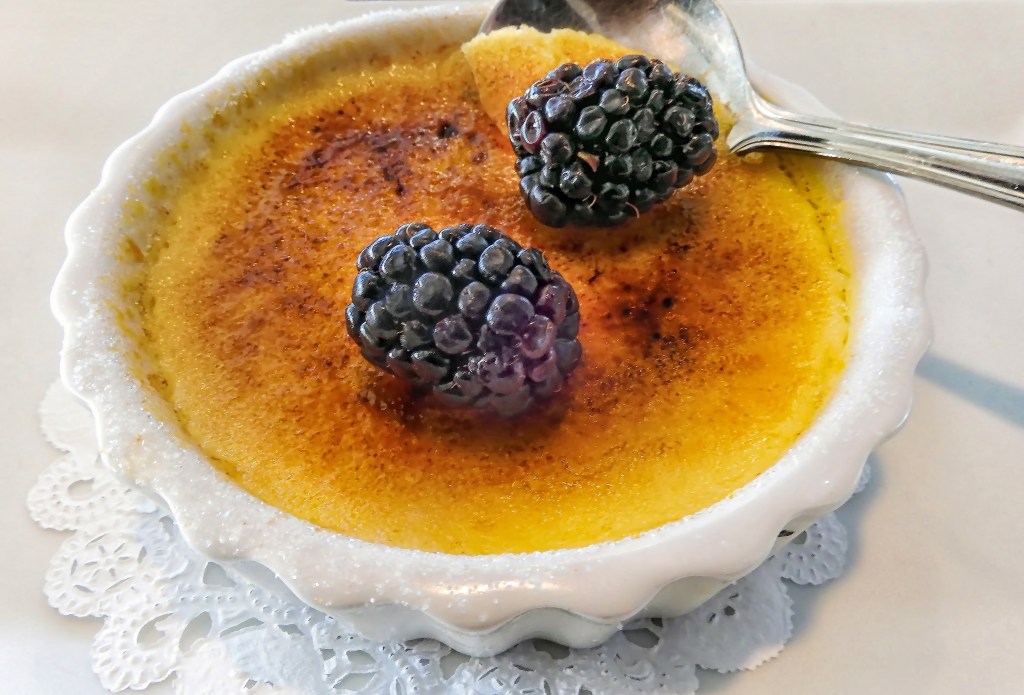
#9: Crêpes
Made on huge drums with little paddles, they’re essentially thin pancakes. Crêpes can be filled with anything which is what makes them so delicious. Sweet crepes filled with strawberries, chocolate, bananas and whipped cream are awesome, but so are savoury ones filled with salmon, mushrooms, cream cheese, the possibilities are endless. Make sure you’re hungry though, because they’re very filling and they can get pretty big!

#10: Macarons
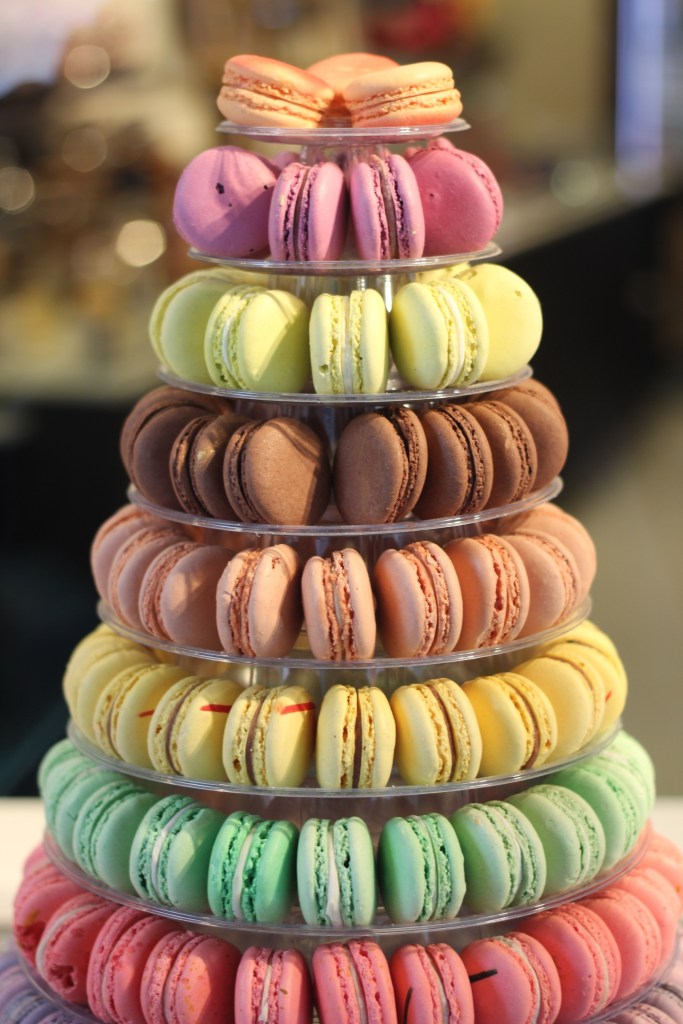
Last but absolutely never least: Macarons. I do have to clear something up for all the English only speakers out there, the closest English pronunciation of these is not “Mah-kah-roons” it’s “Mah-kah-rawns”. Macaroons are made with coconut and are fluffy. Macarons look like little sandwiches. They’re made from almond flower cookies and meringue, and are quite tricky to make. If you happen to try some and think they aren’t particularly great, try a different store. I recommend Pepone Cafe on Rue Des Abbesses in Montmartre, just a short walk from the Moulin Rouge, and the confectionery in the Carrousel du Louvre, the underground mall just in front of the Louvre. Avoid the ones at the Eiffel Tower.
There are all sorts of delicious treats to be had in France, so if it catches your fancy on the menu be brave, go ahead and try it!
Le Hameau de La Reine
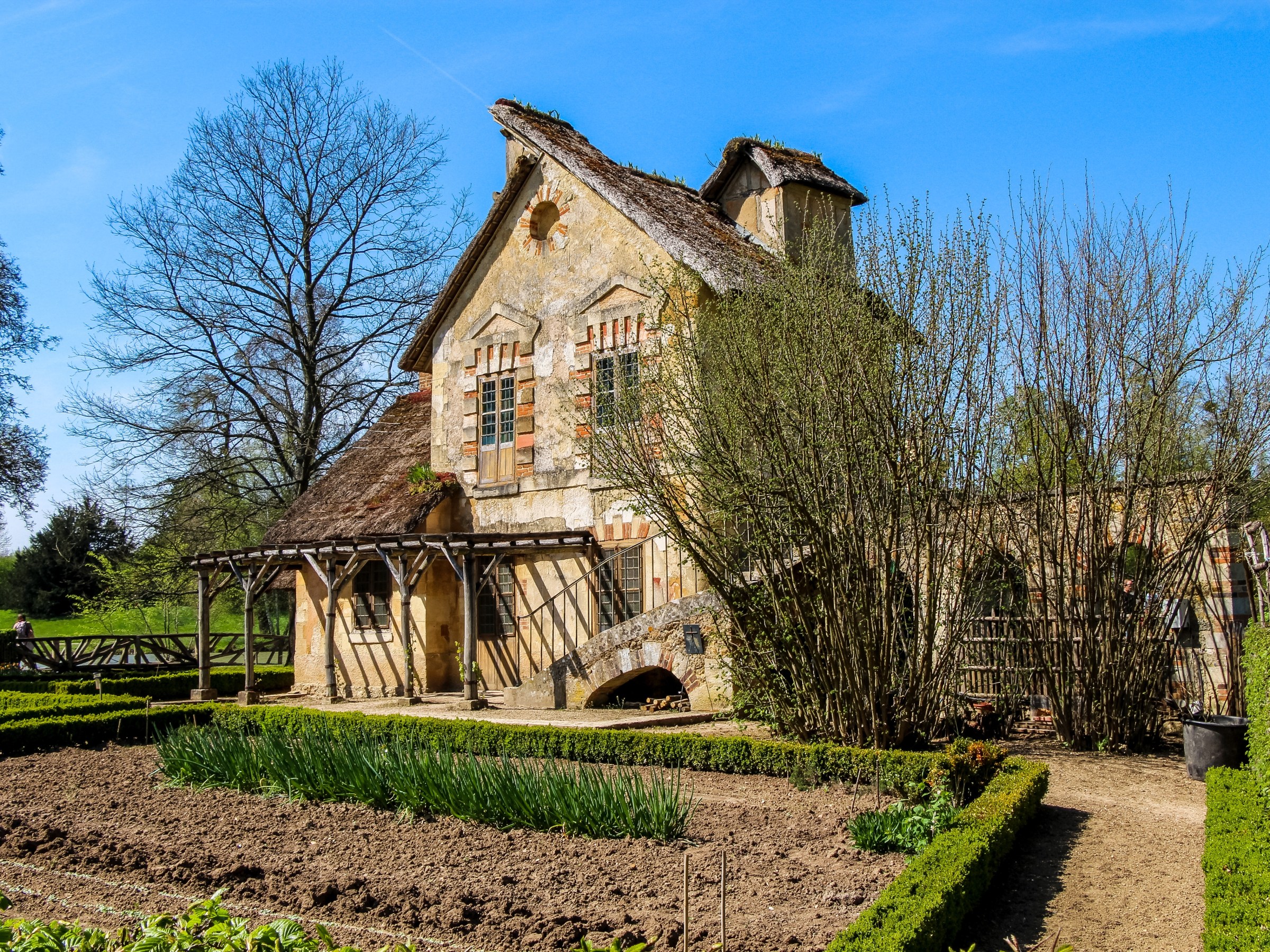
The English name for this space is the Queen’s Hamlet, and it’s situated just behind the Petit Trianon. It was built specifically for Maria Antonia and was as much a part of her retreat from court life as the Petit Trianon.
If you have come from the direction of the Pavillon Francais, then you will find the paths to the hamlet just behind the Petit Trianon. You might pass a folly called the Temple D’Amour, and ultimately any path you take, as long as you are stay vaguely to the right, will bring you to the Hameau eventually. The paths all intertwine. On your way you’ll find many beautiful plants and magnificent trees which were brought as seedlings from foreign lands. Some were planted around the time of Louis the 14th, so it’s safe to say they’ve been there a while!
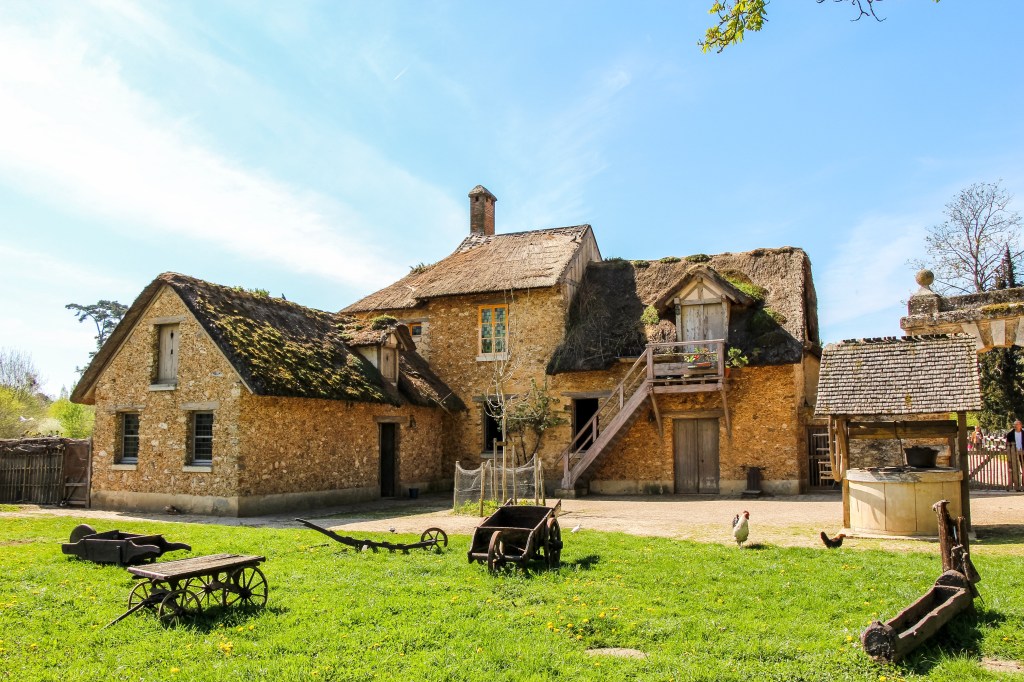
Be sure to watch your step when you come to the lake, and your phone. You will likely not get it back if you drop it. Not because the lake is deep, I wouldn’t know, I just know that the fish in said lake are big enough to eat your phone without issue. You can either go around the lake or cross the bridge to get to the little village that Maria frequently escaped to.
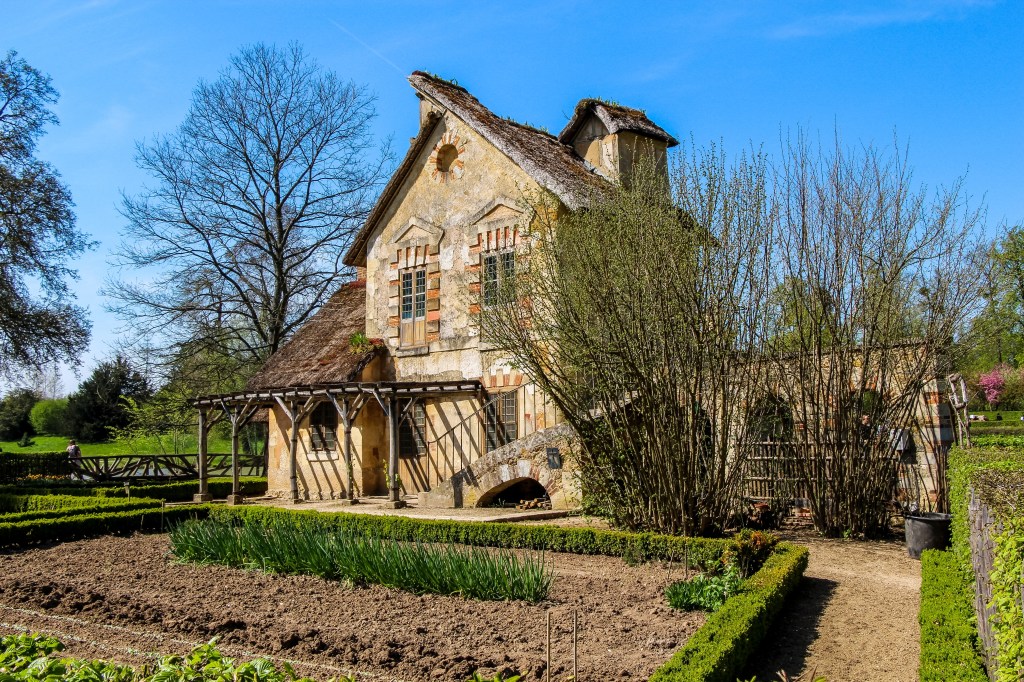
As I stated in the previous article about the Petit Trianon, Maria was a bit naive about what peasant life was. If you are on a tour you might not be able to go inside the buildings, but you can certainly have a peek in through the windows. It may look like a village, but it’s like none you’ll have ever seen before. The long, grand building is yet another house for the queen, the one next to, which on it’s own is a full sized house, is occupied by her living room and wardrobe. There is only one regular sized home in which her captain of the guard lived on the other side of the lake from the rest of the estate.
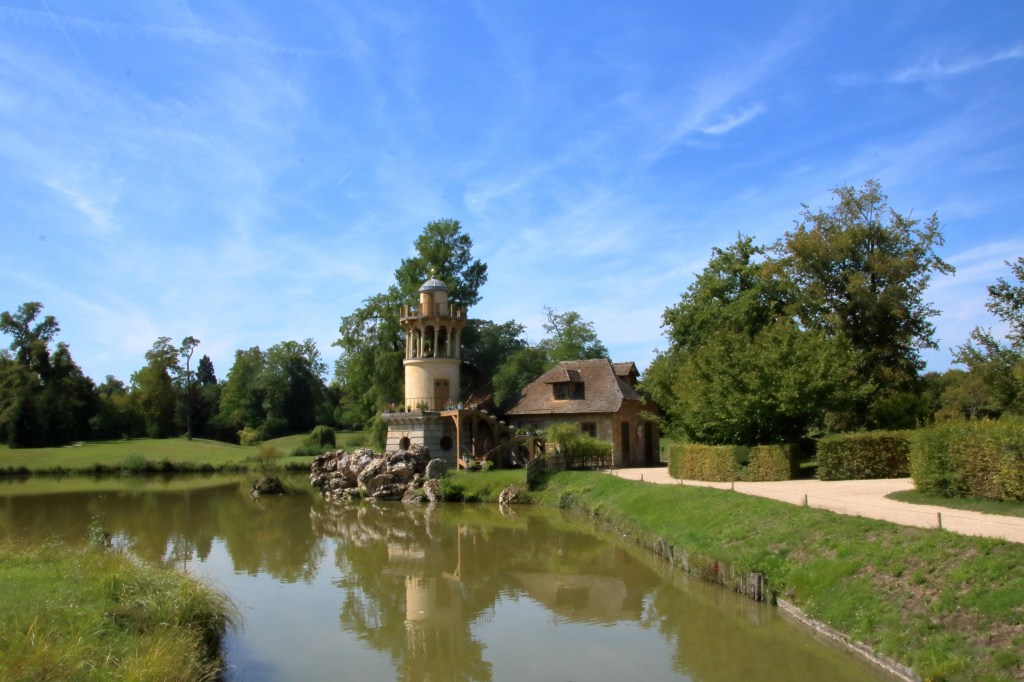
What looks to be a lighthouse is actually a fishing tower, the top of which could be used to communicate with the main palace of Versailles via signals, and the docks surrounding it were used to house boats which would take the queen on rides.
No one who knew what it was like to live as a farmer would ever have designed this village in such a manner, though there is one major point I have to give to Maria: the Hameau was a functioning farm which supplied food for Versailles. These particular lawns of Versailles were not totally useless, as the general French population might have believed.
Next week we’ll back track up to the main palace of Versailles, to the magnificent fountains that adorn its parks. Today Versailles makes a musical show of the fountains which can be viewed on certain days and evenings, but rumour has it that back when they were first built they would only be turned on when the king passed because they used so much water!
Travel Reads: France Edition

A lovely boutique hotel in the 8th arrondissement has officially confirmed your stay. Your flight to Charles de Gaul airport has been booked. Your finest and effortlessly beautiful clothing has all been packed, and you are almost ready for the perfect vacation in Paris. Now comes the hard part:
Which books do I bring!?
It’s always been a terrible ordeal for me, to choose which books I want to read on a trip. What if I happen to have a moment of fancy and want to read something other than what I’ve brought!? Having an e-reader which can connect to the internet is the ultimate solution to this, but for those of us who don’t have e-readers, here are five France inspired books which you can read on your trip!
#1: Phantom of the Opera by Gaston Leroux
If you haven’t already added the Palais Garnier (also known as the Opera National de Paris) to your itinerary, do it now. It is breathtakingly beautiful, even more so I would argue than Versailles itself! I know it sounds like blasphemy but it’s true! The Palais is the setting for the famous story Phantom of the Opera, and the theater has even gone so far as to give the Phantom his own private box, like in the book! If you’re a sentimentalist like me, you can do what I did and pick up your own copy of the book in the Palais gift shop. I happen to be able to read French, the original publishing language of the book, so I chose that version, but if I recall correctly there are several languages available to buy including English.

#2. Outlander Series by Diana Gabaldon
While the Outlander series does focus around Scottish characters, the settings jump around a lot; over several countries and continents in fact. The second novel of the series, Dragonfly in Amber, has a significant portion of its setting in Paris. If you’ve got a bit of time before you go to Paris you can sink yourself into the first book, Outlander, and get to Dragonfly in Amber before you head over.
#3. Around the World in 80 Days by Jules Verne
While Jules Verne wasn’t born in Paris, he was a French author, and like Phantom of the Opera, Around the World in 80 Days was originally written and published in French. It follows the story of an Englishman, his servant, and their antics as they attempt to win a bet. When you’ve finished the book and come home, you can watch the Disney version of the movie with staring Jackie Chan. It’s been a long time since I’ve seen it, and I’m not sure it’s aged well, but for me any chance to see Jackie Chan perform martial arts is a treat, and he has impeccable comedic timing.
#4. The Hunchback of Notre Dame by Victor Hugo
Set in Paris and centered around Notre-Dame de Paris, it’s quite a bit darker than the adaptation Disney made in 1996. It’s a heavy book, but don’t let that stop you, it’s a classic and well worth the read. Don’t try to read this one in French though, unless you’re very sure of your skills. I tried and it was a dismal affair. The English version is much better suited to my needs, and honestly, light reading is sometimes as necessary as the deep stuff.

#5. The Three Musketeers by Alexander Dumas
If you’re into a swashbuckling adventure that takes political aim at the bourgeoisie nature of places like the Palais Garnier and Versailles, this is the book for you! Despite being set roughly a century before the French Revolution, and written by an author who was born after it happened, the book often takes aim at leftover issues that were still being discussed when Alexandre Dumas was publishing his works. At the time, France hadn’t quite decided whether they wanted a monarchy or a democracy, and the political scene was hot with debate. The Three Musketeers is a great look into this tumultuous time for France.
BONUS BOOK!
#6. Crazy Rich Asians by Kevin Kwan
A few of the scenes in this book take place in Paris, but that’s not why I’ve added it. The book follows numerous people, switching between points of view as it weaves its tale, but the character I love most is Astrid. She seems to have a rather spiritual connection with Paris and brings a piece of it with her wherever she goes. As you walk down the Champ D’Elysee, you might imagine her next to you, guiding you to all the places she loves to shop most.
The Petit Trianon
Welcome back everyone! Last week we took a look at the Grand Trianon, and we saw that the life of a French Dauphin and Dauphine (king and queen respectively) was very much open to the public; even aspects we might consider inviolably private.
The balustrades around the beds in Versailles and the Grand Trianon are the sign that the ceremony of the lever and coucher took place, but you won’t find any of those here, in the Petit Trianon.
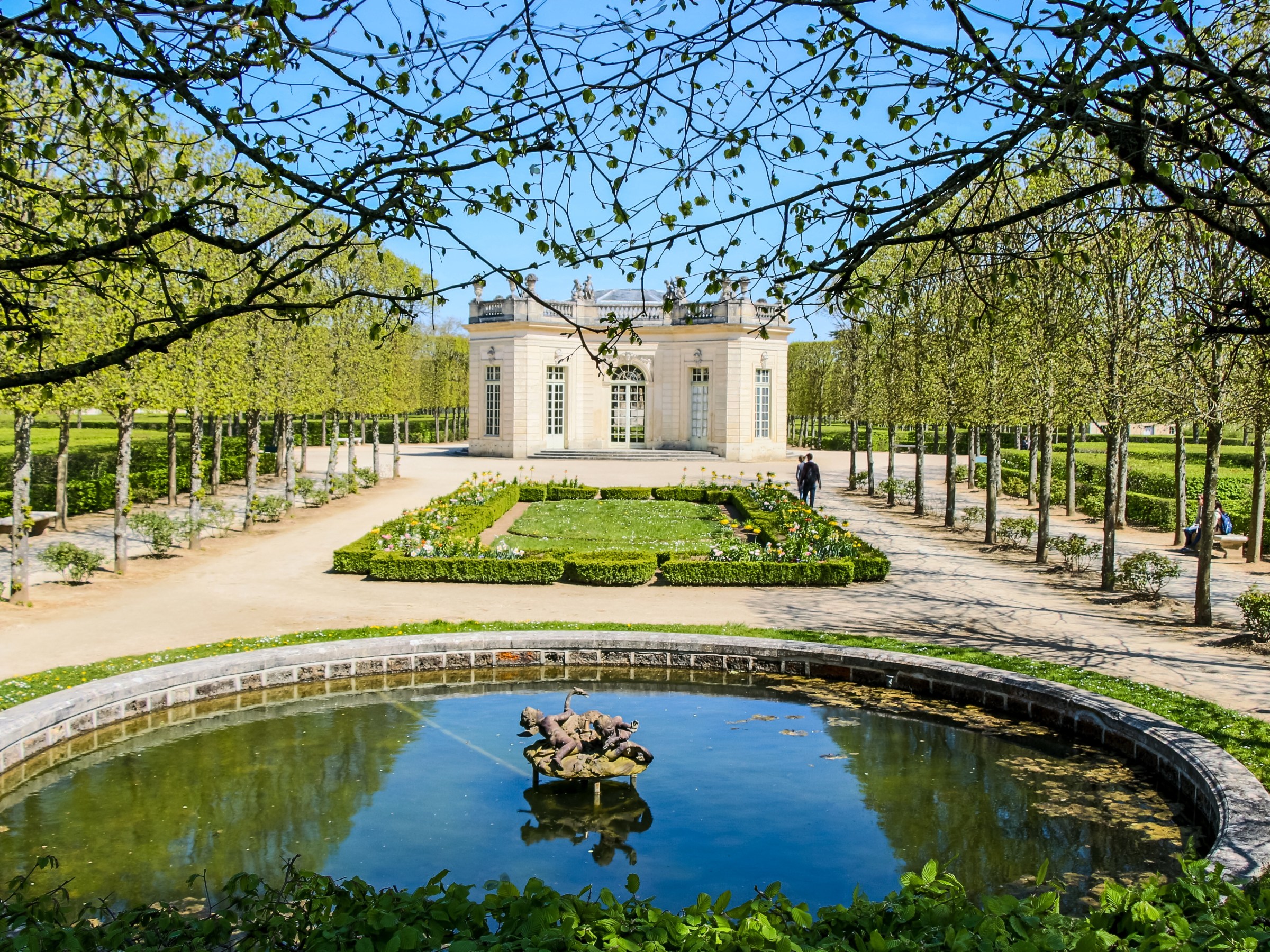
If you’re following your guide from the Grand Trianon then you’ll head across the walkway and into the garden which preceeds the Petit Trianon. It’s filled with wonderfully kept flowers, trees, and a building called the Pavillon Française which is made up of a solitary room where one could open the large doors and enjoy the garden from it’s shade. Think of it as a massive gazebo. Aunt River and I took to calling it the Mini Trianon. Follow that garden and you’ll be lead right to the Petit Trianon.
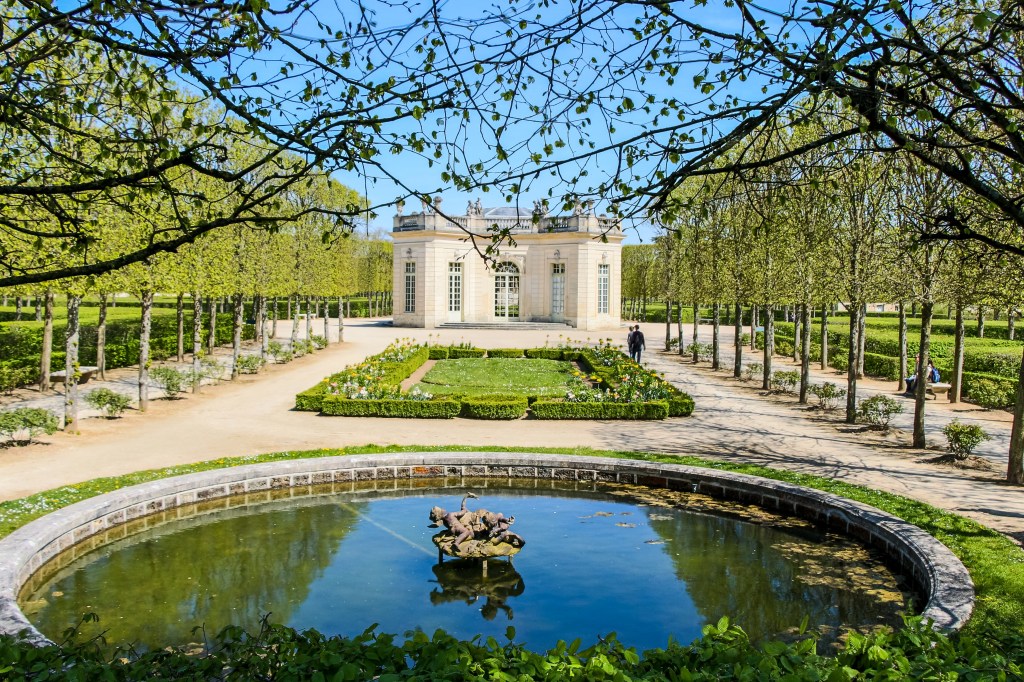
Originally it had been designed for the mistresses of Louis the 15th. It was a private place that the couple could retreat to, away from the prying eyes of the French aristocracy. When Louis the 16th ascended to the throne, he gave the Petit Trianon to his wife, Maria Antonia; more commonly known as Marie Antoinette.
The Petit Trianon provided Maria with an escape from life at court. She found that, depsite having been raised in the court of her mother, the Empress of Austria, she was ill-equipped at playing the political and social games of the aristocracy around her. She was constantly being fed conflicting information as to what to do in any situation, and in her naivety she dreamed for a simple life in the country. I personally suspect that this was what fueled her spending and therefore the rumours which caused her downfall.

When the Petit Trianon was given to Maria she redecorated and barred anyone entry unless by her specific invitation; this rule even applied to her husband. She, her children, and those within her inner social circle were the only visible occupants. The house is also designed in such a way that the servants would be interacted with as little as possible. You’ll also see that there are no balustrades around her bed.
There were no quick words of favour, no business that needed attending to. If you were in the Petit Trianon it was because Maria wanted you there as her friend.
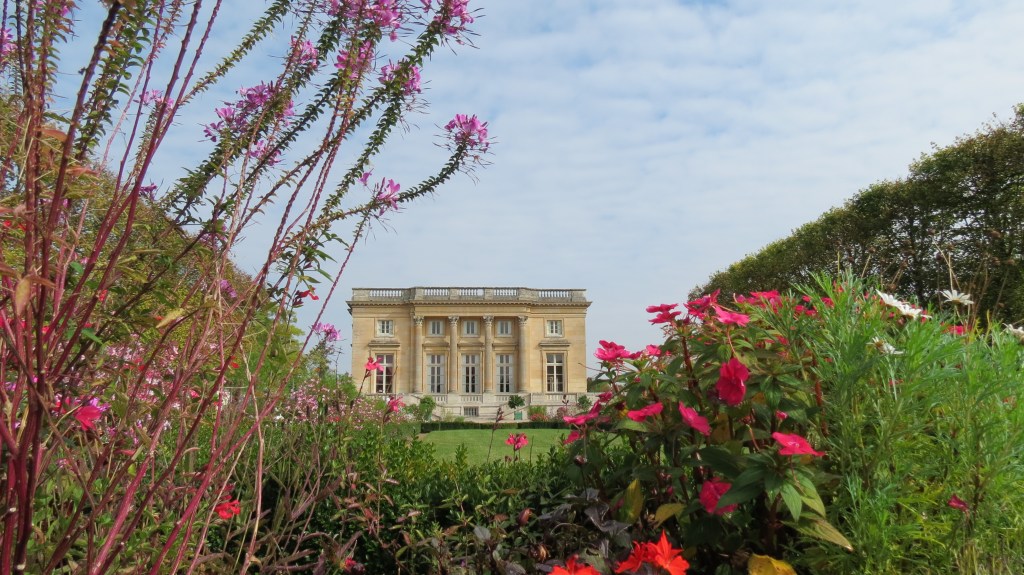
You’ll notice that as you explore the building, though it is very pretty, it’s not as ornate as Versailles or even the Grand Trianon. It’s smaller, it’s closer, and it’s more intimate than the other buildings. The story of the Petit Trianon is one of wanting an escape from royal life altogether, which leads to the little village just a leisurely stroll away from it called the Hameau de la Reine, the Queen’s Hamlet, Marie’s own addition to the halls of Versailles and our next stop in July in Versailles! Be sure to check it out!
Not Quite Versailles: Other places to Visit!
So I know this is supposed to be July in Versailles but let’s face it, as big as Versailles is, if you’re in France even for a week you’re probably going to want to visit other things. There are a lot of other places connected with French Royalty, and many of them can be found within Paris. These five places would have been known to most of the French royals throughout history, and thus have a connection with them in that if was often the royals who funded their upkeep. With the exception of the last location, I have visited each and can personally attest that any money you spend visiting each is well worth it.
#1. Notre Dame de Paris
Alright we had to get the obvious one out of the way first. This cathedral has stood for almost a millennia and is well connected with the various families of French royals who built, kept, repaired it.

#2. Sainte-Chapelle
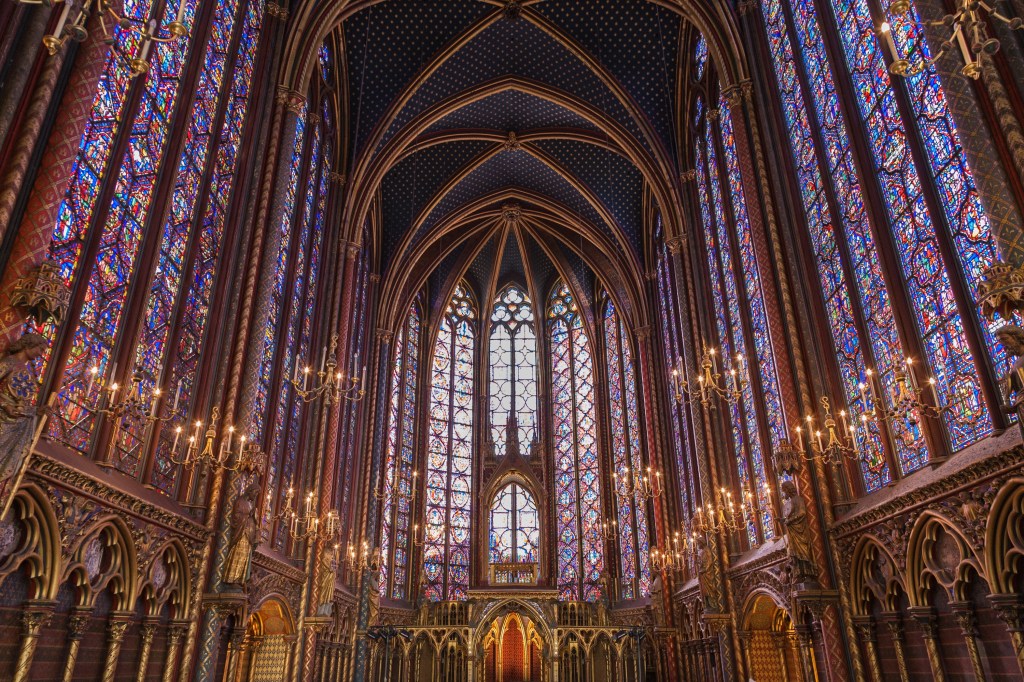
By my standards, Sainte-Chapelle is Paris’ best kept secret. It was built not only to be a private prayer chapel of Louis the 9th, but also to house the relics he was collecting, including Christ’s Crown of Thorns. The grandeur of the building and of it’s stained glass windows will leave you in awe.
#3. Le Palais de la Justice
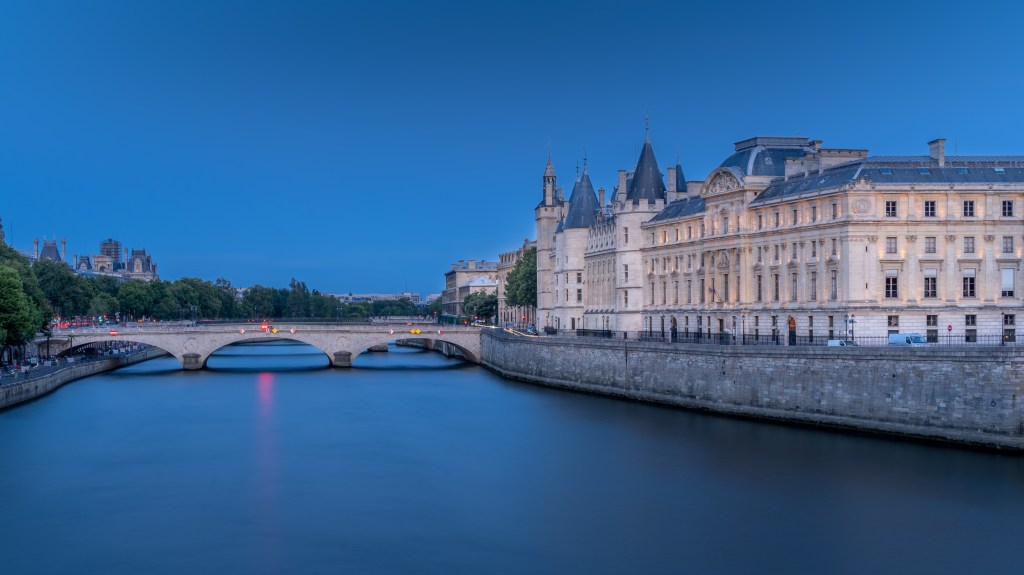
Literally the Palace of Justice, and literally right beside Sainte-Chapelle, the palais is one in a series of administrative buildings known as the Conciergerie. It was the final home of Marie-Antoinette before she was put to death, and to this day you can visit her cell, and her memorial within.
#4. Le Louvre
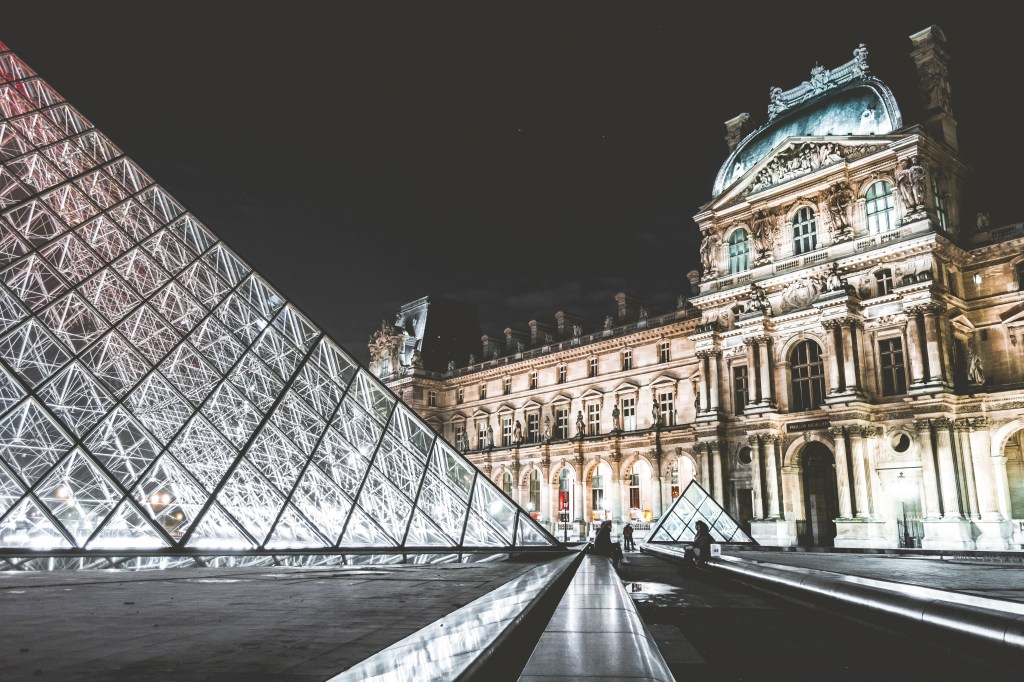
The Louvre isn’t just a fancy building, it was once a palace! The inside has changed dramatically over the years, but if you wander in you can appreciate the artwork that the Louvre is famous for, and a wander outside will give you an appreciation for the architecture what was once meant for only for royalty. It’s easy to get lost, so be sure to ask for a map when you collect your tickets.
#5. Fontainebleau
I have not personally been to Fontainebleau, and is roughly an hour and a half train ride outside the city of Paris. However; I would still love to visit the palace some day. It’s foundations are medieval, it was inhabited by a Medici, and was even host to an emperor and a pope. I can’t imagine this place to be any less than glorious!

The Grand Trianon
Last week we visited the main halls of Versailles with it’s dazzling halls, murals, and furniture. If you only plan on being in France once in your life, Versailles is not something you want to miss out on.
That said, the main hall isn’t the only spectacular place that Versailles has to offer.
Go out into the gardens aim for the Apollo fountain. You’ll find it directly in front of the Grand Canal, a little ways back from the middle halls of Versailles. You then have a couple of options, you can continue to walk straight and follow the cross of the Grand Canal. You will be forced to turn right, then you can keep going until you come to the lawns of the Grand Trianon. From the Apollo fountain you can also take the path to the right, and turn left at the second road. Personally, I recommend the third option. Take the diagonal path from Apollo’s fountain. It will lead you right to it.

The walk will take about ten to fifteen minutes, but don’t rush. If you’re following a tour you might not be able to, but if you can make your walk leisurely. The gardens were grown to be enjoyed, not hurried through.
The Grand Trianon also has a considerable waiting time, so you may want to go when others are having their lunch to avoid a crowd.
Much like the main palace of Versailles, the Grand Trianon is superbly decorated, though not quite as lavish as the palace itself. It is divided into two sections, with an elegant checkered open air walkway between them, be sure to explore both sides! Compared to Versailles’ main palace it’s pretty small, and it won’t take you long to go through at all, especially if you’re with a group tour, but make sure that you do leave a bit of extra time to view the Petit Trianon, it’s gardens, and the little mock village just behind it. You won’t want to miss them!
Now, you might be wondering, what is the Grand Trianon? I had to look it up myself! Even as a French-Canadian, I had never encountered the word Trianon, and I suspect it’s because of cultural differences between Canadian French and Parisian French. Trianon means a smaller villa on the grounds of a larger home. With Grand meaning big, the Grand Trianon just means that this is Versailles’ big villa. The Petit Trianon is, yes, you guessed it, the little villa!
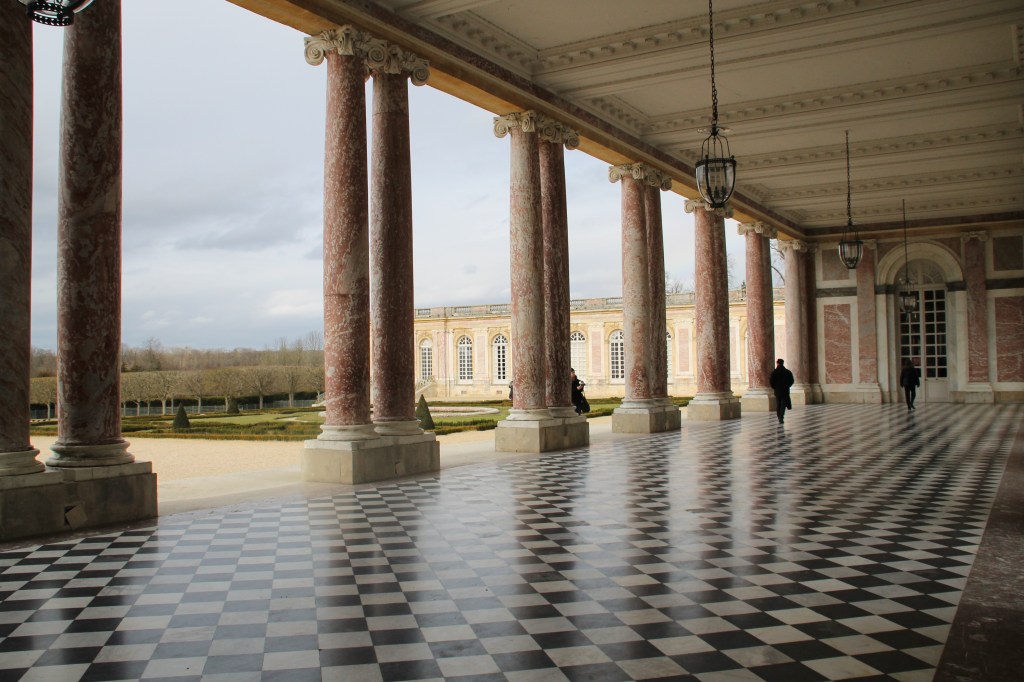
This villa was used to host foreign dignitaries when they visited France, and could also be used as an escape from the pressures of palace life. For those of you who don’t think there are pressures in palace life, you’ve likely never heard of the Lever.
Lever literally means to lift in French. The ceremony started when the king and queen would slip from their true and often more plain bedrooms which were hidden deep in the palace, and discreetly get into the more luxurious beds. When they were ready, their servants would open the doors and roughly twenty courtiers would come in. They would assist the king and queen to get up in the morning, and yes, that does include witnessing the royal bowel movement. The king even had a name for it: his ‘Chaise D’Affaires.” His business chair. It was considered an incredibly important ceremony due to the fact that if you were invited, that meant you had a very privileged position in the monarch’s court, and you were able to have a brief word with them before their day began. The process would be repeated in reverse when the day ended in a ceremony called the Coucher, or ‘lay down’.
Like in Versailles, the bedrooms of the Grand Trianon have have balustrades in front of the beds. Those fences weren’t put there to keep tourists from playing Ninety Nine Monkeys on the world’s most luxurious mattresses. They were put there in the sixteenth century to keep the courtiers separate from the king and queen. Even though they were in the Grand Trianon and the King and Queen could expect fewer courtiers, the entirety of their lives were very much still on public display.
Interestingly, you won’t find any beds behind balustrades in the Petit Trianon, and I’ll tell you why that is next week, if you haven’t already guessed!
Today the Grand Trianon is still used to host foreign officials, so be sure to check the Versailles Website before you visit. You wouldn’t want to go when it’s closed, and miss the wonderful miniature palace that is the Grand Trianon!

True Story Tuesday: Midnight Fondue
Alright so this isn’t so much a harrowing experience as it was just a really good time and we probably bothered literally everyone we encountered but irregardless it was great, here we go!
Aunt River and I, when planning our trip to Paris, had wanted to get fondue.
This idea came, first of all, from the fact that fondue is delicious and probably the third most French thing after Versailles and protesting, but also from my Aunt Sun and my cousin Sunflower. They said that when they visited Paris they loved to sit in cafes, have their fondue, and relax as they watched the pedestrians stroll by.
I can picture it, the pair of them effortlessly casual, chatting away with their chocolate fondue, the sun setting behind a cafe with it’s name written in cursive. Fragrant wisterias adorn the casements, and the sound of French chatter is low and soft as the fading light.
Of course Aunt River and I had to try it, so we made plans to find a fondue place in Montmartre.
True to form, at least for me, we ended up eating a lot of Chinese food instead. There was a place that had particularly good dumplings just around the corner from the Moulin Rouge and they became less of midnight snacks and more like midnight meals. I couldn’t complain, they were fantastic.
It came down to our last night in Paris, and as we packed our bags for the next morning’s train we realised we hadn’t gotten our fondue. It was nearing eleven at night, but in a wave of whimsy we had a look at places that were still open.
As luck would have it, there was one not too far from our hotel. I think Aunt River had a moment of “Are we really going to do this?” That was likely the exact moment I had my hand on the hotel door, asking her if she was ready to go yet.
As quick as the jaunt was, my hopes weren’t high. They were closing at eleven thirty, and we arrived at roughly eleven fifteen. I didn’t think they would give us a table, but they did!
The waiter looked slightly annoyed when we came in, even more so when we ordered fondue for two. They didn’t have chocolate or cheese but they did have oil fondue. It’s a pot of hot oil which you dip cubes of raw meat in to cook it. I’ll admit I wasn’t too keen on the idea that I was eating off a plate with raw meat on it, but Aunt River assured me it was fine.
I can honestly say that this is great way to eat. It lets you digest, lets you nibble, it forces you not to wolf down your food, which is I think the essence of Parisian French life. Prend ton temp. Take your time.
We were half way through our meal when we began to hear shouting in the street we had just come down. Not a crowd of people, just one man, raving about some conspiracy theory laced with obscenities.
Both Aunt River and I tensed for a moment, wondering as his yelling got closer if we would be subject to his ever more aggravated ramblings. I think I remember someone telling him in a not-so-polite manner to keep walking.
He did eventually leave, and the night grew peaceful again. We thanked the staff who stayed with us, and were on our way.
It’s not a very exciting true story, but it is a nice one. I think it’s important to realise in your travels that you will not have the same experience as everyone else. What you need to remember is that it’s your own experience, your story to tell, and those differences make the trip all the more special.
July in Versailles

I’ve decided to do things a little different this month, and focus entirely on one specific place: Versailles.
It’s not only one of the most historically significant and influential palaces I’ve visited, it’s also one of the biggest. With so many buildings to visit, I figured I would give over the entire month to a place that it would take roughly the exact same amount of time to explore.
Seriously, this place is monstrously big.

There are full and half day tours available for Versailles but honestly neither will give you the full on experience, so here’s what I recommend.
If you’re making the effort to go to the literal symbol of the bourgeoisie, make it a bourgeoisie day. Take the full day, pick-up and drop-off guided tour with lunch and a skip the line pass. It will be worth every penny you spend. Aunt River and I took that tour and I can honestly say we wouldn’t have gotten through Versailles without it.
I’m all for public transportation, it makes getting around in European cities so much easier, but in this case it would have taken us way too long to get to our hotel in Montmartre to Versailles. The tour bus we took was much more relaxed and infinitely more informative. It also afforded us the chance to have a coffee and a bathroom break before we truly headed off.
Now, for the most bourgeoisie thing we did in that entire trip, we purchased the skip-the-line package for Versailles. Aunt River and I got there pretty early in the morning, but already there was a giant queue waiting. There was even a queue of people who had bought the skip-the-line package like we had. We waited for about fifteen minutes, but it was much better than waiting for what would have been hours. Versailles is a popular spot!

When we got in it was already packed; so much so that it was difficult to keep up with the tour guide and hear everything they were saying.
Covid might change both of these situations, but Versailles starts instituting timed entry, keep in mind that the lines are long, and that there is no shelter. You will be waiting outside for hours, rain or shine.
Inside Versailles you’ll see the elegance and splendor that inspired the rest of Europe. The grand entrance, the gold gilding, Italian marble, and intricate murals, there is so much to see and learn. Don’t worry, you can’t miss the Hall of Mirrors, you need to go through it to get to what is known as the King and Queen’s private chambers.

You’ll be told all about the three King Louis (Louii?) who used Versailles in the state you can see it in today. There’s a simple rule to remember them. Louis the 14th, the Sun King, built the palace. Louis the 15th lived in it, and Louis the 16th and his bride, Maria Antonia (colloquially Marie Antoinette), paid for it.
Just before lunch you’ll have some time to wander around the gardens and see the famous fountains. Aunt River and I spent our time exploring and trying to figure out which deities were depicted in the many statues both in the gardens and in the fountains themselves.
After lunch you’ll be taken around the rest of the grounds, to the Grand Trianon, the Petit Trianon, and the little mock village that lays between the Petit Trianon and the main palace. I’ll be covering those in the next few articles, so don’t worry, there’s plenty more to see!
Once the day is done you will be given just a little bit of free time before your bus takes you back to wherever you caught it. Use it wisely!
Next week I’ll be posting about the next part of the Versailles adventure, the Grand Trianon, France’s hosting house for kings and presidents!

Travel in the Time of Covid 2.0

Happy Canada Day everyone!
Today we’re celebrating not just our country, but also the fact that European borders are opening up to certain countries. Canada included!
So we’re free to travel again right!?
Not exactly.
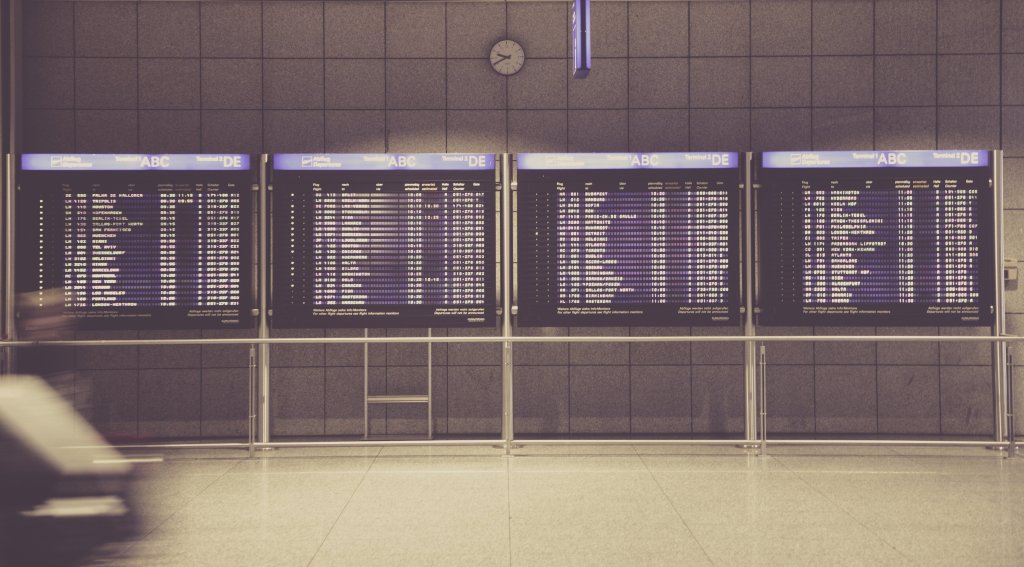
I know that a lot of us would love nothing more right now than to be able to escape quarantine and just go out for even a weekend. The thought of throwing our luggage onto a jet plane and ourselves with it to fly off somewhere fabulous is far too tempting.
Still, I must urge caution.
First of all, some airlines have already stated that they will be operating at full capacity. That means no social distancing whatsoever. Are you willing to wear a mask for the entirety of that flight? If you’re flying from England to Ireland, a trip that takes a little less than two hours, it might be fine. For a Canadian attempting to get anywhere other than the United States, that’s over five hours flight time. If you’re a Canadian you must also find another way home, because as of the date that this was published, you may not enter Canada by air.
The second thing I have to consider is that while we’re celebrating border openings there are quarantine laws that must be adhered to. Most of the countries I’ve looked at in the EU have a mandatory fourteen day quarantine period when you enter the country. Fourteen days is usually the amount of time I can afford to travel for. To be hunkered down in a hotel room, by myself, without being able to access food or medicine is an unsavory scenario at best.
Only once that 14 days is over can you then enjoy your vacation, with the restrictions on restaurants, parks, and other public places that the country you’re visiting has set out for it’s citizens.
Then, depending on where you live, you might have another quarantine ahead of you. Canada has enabled a Quarantine Act, which stipulates that upon your arrival or return you must quarantine for another fourteen days. From the minute you arrive you must go directly from your point of arrival to your quarantine, without stopping. You cannot go to school, work, or even out to get food. You must arrange to have everything brought to you in your home.
That adds up to a month of quarantine on either end of however long your trip is; one of which is going to be significantly more expensive because of hotels and takeout.
This is all if you manage to go, have your vacation, and come back without contracting Covid-19.
I must also mention that China and South Korea have also begun the ‘second wave’ of Coronavirus. For those of you who don’t study history I will keep this simple:
Global pandemics happen roughly every hundred years, and usually hit in three waves. The second wave is usually the worst of it. It’s why the WHO has been warning us not to reopen too quickly, and that the worst is yet to come. They’re not trying to scare us, they are trying to impress upon us the historical gravity of the situation.
So. Is the international travel worth it?
For me the answer is still no. Not only can I not afford to take a month off for a two week vacation, it’s simply not worth the effort to do so. I can watch k-dramas at home, I don’t need to be stuck in a South Korean hotel for the added atmosphere.
If you need more information I suggest, as always, getting the most current information directly from the source. Here are the links to the Canadian Government Website and to the World Health Organisation Website.
Wash your hands, wear your mask, and be safe gentle readers.
10 Quotes to Live and Travel by
We’ve all been there. Faced with a moment of indecision or challenge, we pause. We don’t need a lecture, a guru, or some deep internal self-reflection; we just need a little nod to push us in the right direction. These are my nods. Whether you’re wandering the streets of your hometown or out further than you’ve ever been before, these few words can cause big moments.
When you’re feeling scared, just remember;
Courage is not the absence of fear but rather the judgement that something is more important than fear; The brave may not live forever but the cautious do not live at all. – Meg Cabot from the Princess Diaries

When you feel a little lost;
Trust your own instinct. Your mistakes might as well be your own, instead of someone else’s. – Billy Wilder

When you dream for yourself you must take into account;
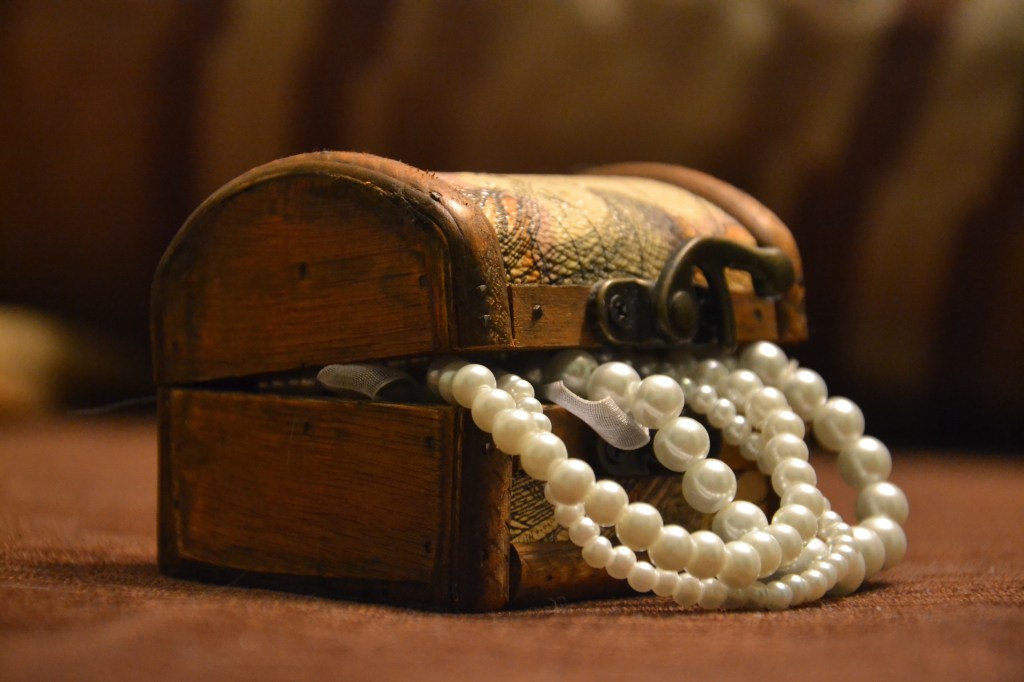
Pearls don’t lie on the seashore. If you want one, you must dive for it. – Chinese Proverb
When you’re just a bit nervous repeat this to yourself;
I am not afraid of storms for I am learning how to sail my ship. – Louisa May Alcott

When you meet someone new;
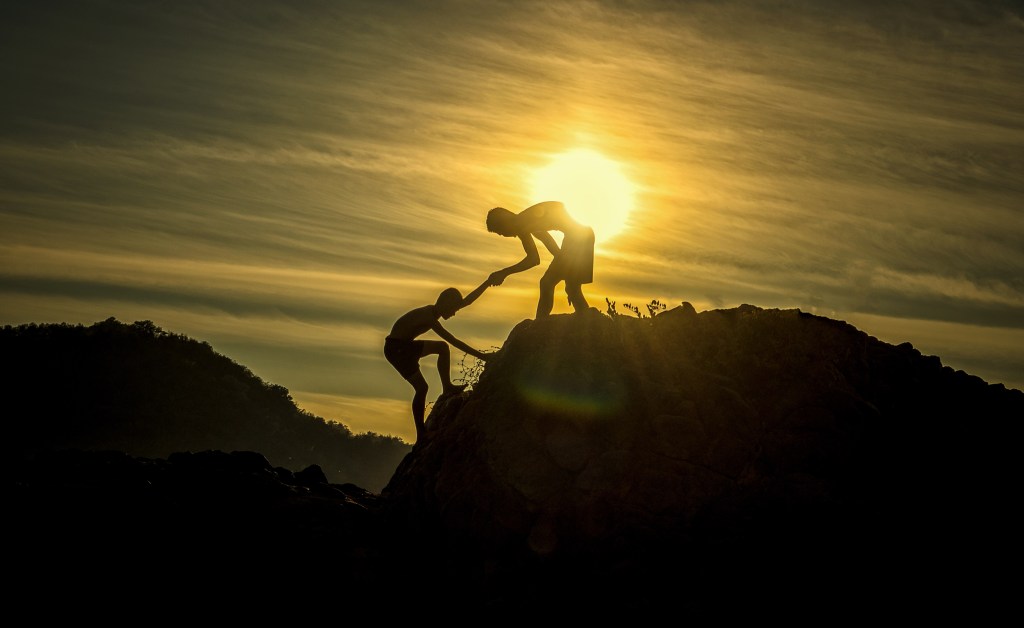
Remember that a gesture of friendship, no matter how small, is always appreciated. – H. Jackson Brown Jr.
When the line is long it’s worth remembering;
Patience is not simply the ability to wait – it’s how we behave while we’re waiting. – Joyce Meyer

When you haven’t noticed the time flying by;
The time you enjoy wasting is not wasted time. – Bertrand Russell

Wherever you go;
Be modest, be respectful of others, try to understand. – Lakhdar Brahimi

Most importantly;
Don’t forget to love yourself. – Soren Kierkegaard
Now go out into the world and remember this one last thing;
Wherever you go, go with all your heart. – Kong Fuzi

 Lostman's Star