Lostman's Star
Not all those who wander are lost, but I certainly am!
Fort Amherst
You know you’ve done a good job on your fort when it’s never fired a shot in anger. That’s just what Fort Amherst was, and is to this day.
This Napoleonic fortress is situated at the midpoint between Chatham and Gillingham, near the shores of the river Medway. It has an easy and imposing view of the surrounding hills. It was built to protect the Chatham Dockyard, and standing at the top, it’s easy to see why anyone who even thought about attacking would have been branded a lunatic. Nearby locations with any sort of strategic value are within easy reach of Amherst’s cannons, and that was back in 1803! The British Army still uses parts of the fort today, so you can imagine what modern artillery could accomplish.
Tours of Amherst’s tunnels are available in the warmer seasons, and are well worth the six some quid you’ll spend. Deep within you’ll find evidence of early man digging his way through the limestone with antlers, remnants of Roman ruins, of course the Napoleonic fortifications, and the more modern use as a base of emergency operations during the second world war. If you’re planning a visit for October you might be lucky enough to book one of their famous Ghost Tours. Book early, they fill up quickly! If you aren’t able, or you’re not visiting in October, try to book in the middle of the week, and at a time when the kids are in school. The tours will be less busy, and you might be able to get hints of the ghost tours with your regular one, if you ask nicely!

The tours are provided by volunteers, so you can rest assured that they are very passionate about the fort and it’s history. They can be quite the characters too! I once had one of them try to convince me that my ancestral countrymen had taken my country from the British by force. It took me a hot minute to realise that he thought I was American! We had a good laugh about it while we waited for the other tourists to join us at the designated meeting place.
The tour lasts just under an hour, does involve a bit of climbing, and probably isn’t the best for those of us who are extremely claustrophobic. The tunnels are wide, but you definitely know you’re underground!
Keep an eye out for the graffiti, the ghosts, the guide, and you’ll be good to go!
Are there any super neat haunted tunnels you know of? Let me know in the comments!
The 10 Best Things About Solo Travel
As you’ve read in my previous article, there are a lot of great things to experience when traveling with friends. Honestly there’s nothing that I love more than being abroad with friends; except maybe being abroad alone.
I understand the trepidation some people feel about solo travel. It can feel scary the first time, but I was very lucky to have dipped my toes into travelling alone slowly. I didn’t travel fully ‘solo’ until I was well into my twenties, but I went ‘without friends’ for the first time when I was fifteen. If you want to know more about how to ease yourself into solo travel like I did you can check out my article about it, coming soon!
For now, here are all the benefits that come with solo travel for you to get excited about!
#1. Go Where You Want
When you travel with friends you are naturally bound by other opinions. It’s great if you and your travel companions all want to go to the Bahamas, but when one of you wants to jet off to the Emirates you start to have some issues. How does one compromise between destinations? Not well, in my experience. When it’s just you and your suitcase, no one can get between you and your dream destination.

#2. Keep to Your Own (Lack of) Schedule
I’m usually pretty good about keeping to my own schedules, but there are times when I just want to spend a little more time in one location, or I’m getting tired and think “You know what? Not today.” It’s okay to change plans, and it’s very liberating to be able to shift your own schedule at your own leisure.
#3. Challenge Yourself
I do like to challenge myself a little bit when I travel. For the most part I’ve only traveled in countries where English is widely spoken and that are culturally similar to Canada. Places like Turkey or Mongolia are very scary to me because they’re so different, but they’re also places that I would really love to visit some day because of that! When you travel alone, you can decide which challenges you’re ready for and take them at your own pace.
#4. Earn Your Bragging Rights
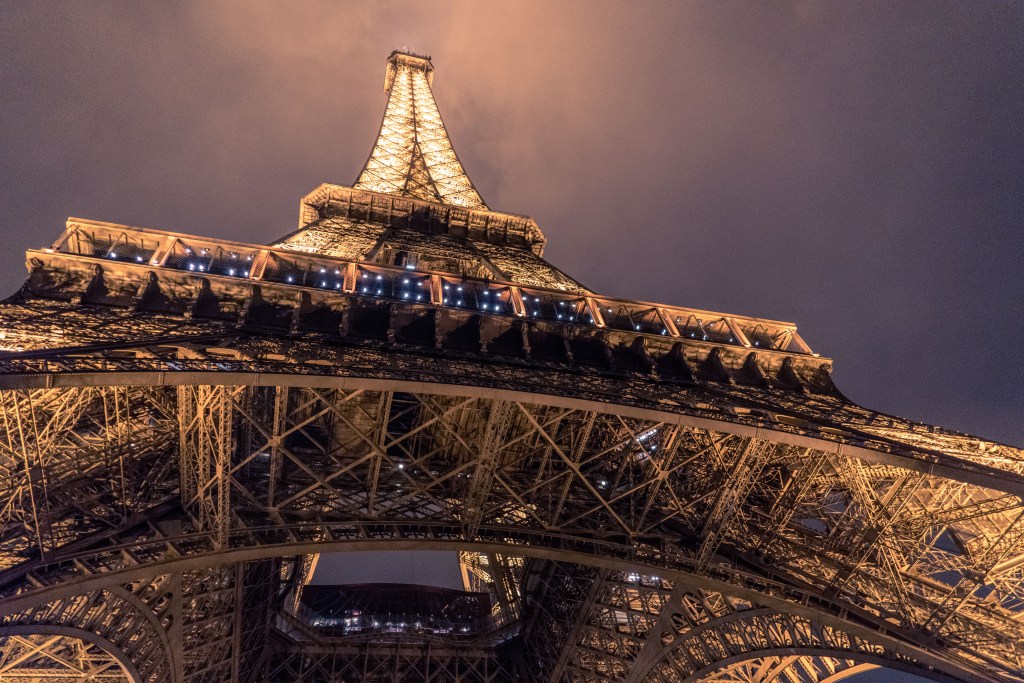
Along with those challenges you get bragging rights, especially if it was something really scary for you. Let’s be real, you don’t want to be that person who mentions that they’ve been abroad every two sentences in a conversation but hey, if you’re afraid of heights and you made your way to the very top of the Eiffel Tower, brag about it! You’ve earned it!
#5. Looking out for Number One
It can be great to have someone watching your back and you theirs when travelling, but only worrying about yourself can be really liberating too. If you’re uncomfortable in any situation you can leave without worrying about what your friend will say, especially if they’re having fun, and you don’t have to worry about your travelling companion becoming a liability either. Just make sure you’re safe, and have fun!
#6. Making Your Own Mistakes
I like being able to make my own mistakes. I think it comes from having people stop me a lot to protect me from myself. In my opinion, making your own mistakes is a very important experience to have because it allows you to realise that most of them are either fixable, or not that big of a deal in the first place. Plus, if you’re traveling, you can leave town immediately and nobody back home will ever know about your blunders unless you decide to tell them!
#7. You Can Pretend Not to Understand
This isn’t my proudest trick in the book, but it is still there, and I have had occasion to use it. If you find yourself in a situation where somebody has come up to you and is making you uncomfortable, you can pretend you don’t speak the language. Unless you’ve been narrating your journey aloud to yourself, nobody will be able to say for sure which language you speak, and nobody will be able to call you out on it. Note: Don’t try this with police.
#8. Make Your Own Soundtrack
When I travel with other people I always worry about having my music on. I want to be able to hear them when they’re speaking! When I travel solo, I have no such worries. I can appreciate the ambiance of my surroundings, or rock on to my own trip soundtrack.
#9. Making New Friends
The people in my life will know that I am very reserved when it comes to making friends. It doesn’t happen easily or often for me, it’s just who I am, but travel creates great opportunity for short but meaningful friendships. Busy restaurants will sometimes take in more clients by asking if you would mind sharing a table. Take the opportunity, say that you’d be glad to share! It’ll be a bit awkward at first, but open up, ask where they’re from, if they know any interesting places around town. You don’t have to lay your heart in the palms of their hands, just open up a little bit and you’ll have a new friend in no time!
#10. Self Discovery
You already know who you are around your parents, your friends, and your co-workers. They can be three very different people. Who are you when you’re surrounded by strangers? Who are you when you only have yourself to rely on, and where everything you encounter is new? Only one way to find out … go solo!
Share your best solo travel memories in the comments below! I’d love to hear your stories!
Head-Smashed-In-Buffalo-Jump
I know, fabulous title, but no, I’m not making this up. This UNESCO world heritage site can be found south of Calgary, just short of the Canada-US border.
The story starts with the one of the plains nations, the Blackfoot people. For approximately six thousand years the Blackfoot would drive herds of buffalo from where they grazed towards the cliffs of Head-Smashed-In. They would light fires, dress as coyotes and wolves, and would generally spook the buffalo towards the cliffs. The buffalo at the front of the heard would be pushed forward despite themselves by the weight of the animals behind them and would fall over the edge of the 30 foot cliff to their death.
Strangely, however, the smashed heads doesn’t refer to the buffalo at all. It refers to the story of a young man who wanted to witness the animals falling, but he wanted to watch from the bottom of the cliff. He didn’t survive the incident, and was later found beneath the buffalo carcasses, his head having been smashed in by their weight. He was buried nearby, and thus it became the Head-Smashed-In-Buffalo-Jump.

The Blackfoot had a camp near the base of the cliff, notably not directly beneath them, and there they processed the buffalo. Not only did the animals provide a plentiful supply of food, their hides were used for clothing and shelter, and their bones were turned into tools and other useful instruments. As is the traditional way of many if not all First Nations, nothing went to waste.
The site of this jump now has a museum and is open to visitors year round. It’s main purpose is to educate the public about the Blackfoot culture, as well as the ecology of the surrounding area. Plan your trip right and you’ll not only be able to taste a delicious buffalo burger and try some wild rice, you might also catch a demonstration of Blackfoot dancing. For anyone who has never seen First Nations dancing, here are some hoop dancers, Terry and Michael Goedel, dancing to Electric Pow Wow Drum by A Tribe Called Red. That’s just one kind of First Nation dance though, personally I like shawl dancing the best!

I really cannot encourage people to visit Head-Smashed-In enough, not only because it’s a great chance to learn about one of the many First Nations but also because it’s one of the few places that has a considerable amount of archaeological evidence to support the stories of the Blackfoot people. The First Nations lived in such a manner that archaeological evidence is scarce, and so it makes Head-Smashed-In-Buffalo-Jump all that much more special for having it.
Bring some sunscreen, an open mind, and a camera to capture the gorgeous vistas!
Are there any other First Nations heritage sites that you know of? Let me know in the comments, I’d love to learn about them!
Taking Travel for Granted: A Response
Hello gentle readers, apologies if this article ends up being late, I’ve written it rather more quickly than the others in the hopes of being able to publish it this Tuesday. The reason for all this rush lays squarely on the shoulders of one Eris Mullins. Please do follow @ErisMullins on Twitter if you haven’t already, they’re a wonderful writer, and a dear friend who is working very hard on getting their first book published. They informed me recently that if I wanted to become a published author myself (which would be a dream come true) I would need to increase my presence on Twitter. Unfortunately that led to some distractions, but happily one such distraction ended up being productive and inspiring!
It was a couple of days ago that I was browsing some travel blog twitter accounts when I came across SOStravel and began reading the articles therein. The blogger, Sam, is a wonderful writer and you can follow her on Twitter as well @Sostraveluk. In her latest article she has written about the Covid pandemic, and how it has affected not only her future trips, but how she would plan them out from now on. It seems that she, like so many others, have had many an issue dealing with travel agencies who are breathing dragon-fire at anyone who dares demand quality customer service. Sam if you read this I hope everything works out in your favour in that department. What really got me thinking though, was the question she asked right in the title: “Did we take travel for granted?”
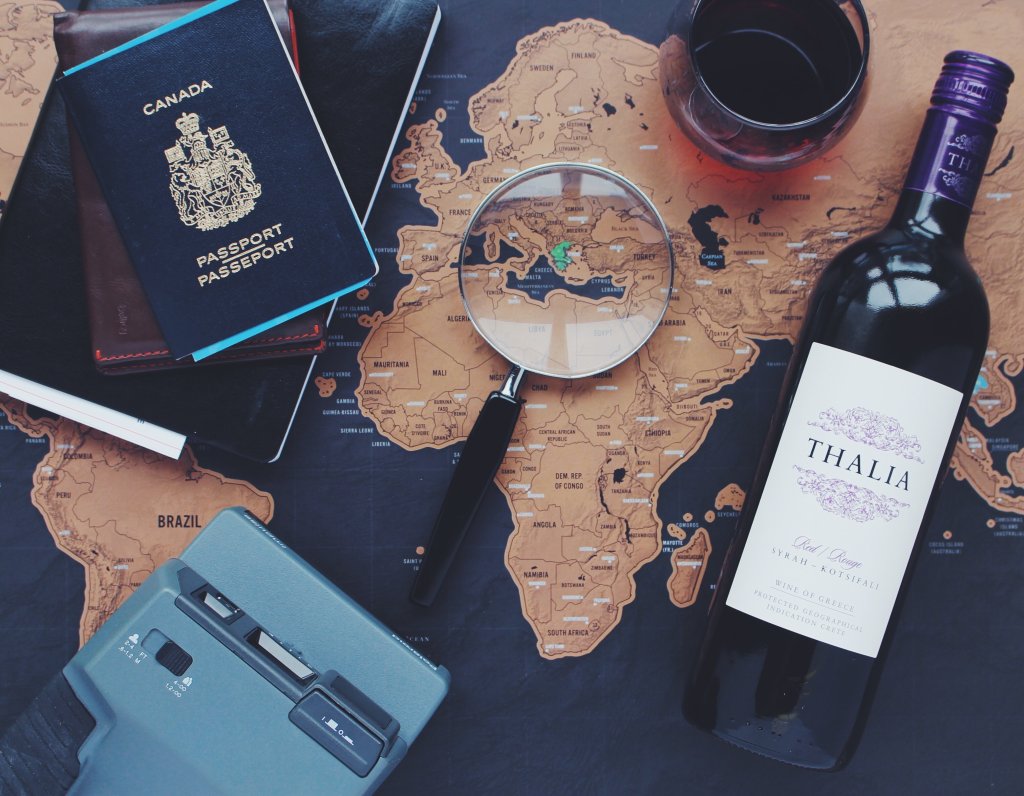
It’s a really good question, and I think anyone who is self-aware would respond with “Yes, absolutely, I and others took travel for granted before this pandemic came along.”
With a rising sense of shame I realised that had I read this article a couple of months ago there would have been no such introspection on my part. My high horse would have been the size of a Clydesdale and I would have been sat on it’s back without a moment’s hesitation.
Europeans and Brits absolutely do take travel for granted, but I thought that I would never do that because I knew how tough travel can be for Canadians.
Let me explain.
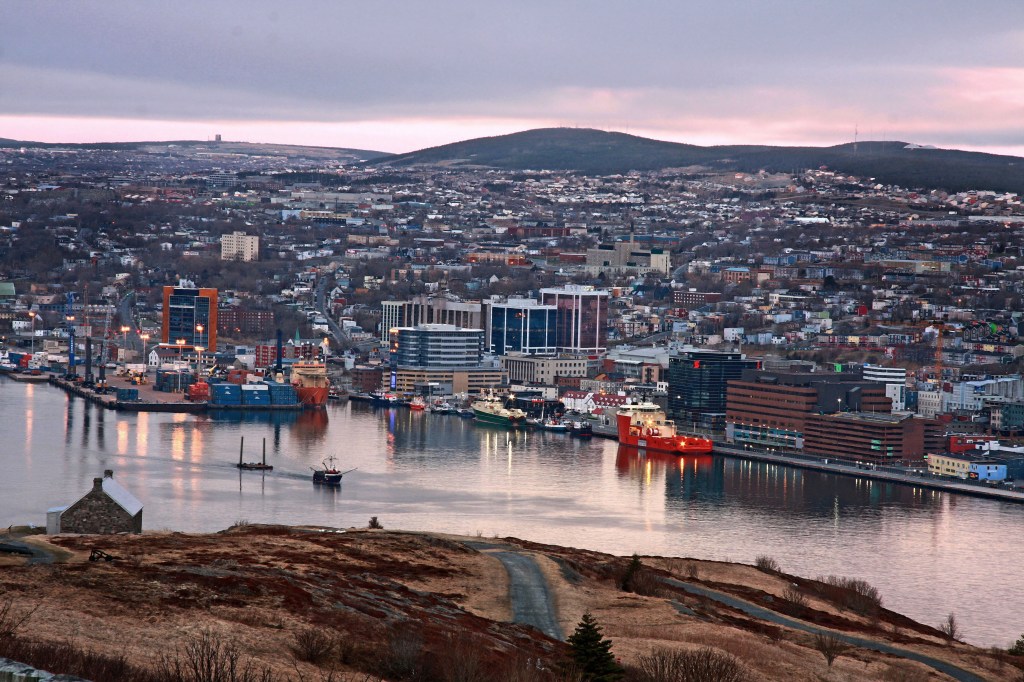
I once planned a week long family vacation from my hometown in Ontario to several cities in Newfoundland. It’s four provinces away, and we had high hopes of going to St. John’s, Gros Morne National Park, and L’Anse-Aux-Meadows. Upon having completed the project I immediately began a second one, as a comparison. I quickly realised that the same amount of money and significantly less time could be invested into a two week long vacation to England and Scotland. The road, just from St. John’s to L’Anse-Aux, is longer and takes more time to travel than the road from Brighton on the south coast of England, to Inverness in the highland of Scotland.
Four hours of driving won’t even get me near the borders of my province. Four hours of driving in England and I would have been encroaching on Scotland or Wales depending on which way I’d gone.
England is also more compact, and therefore so is all of it’s history. When I was there I would go on day trips to explore small towns, castles, or even cairns! I was shocked but yes, cairns! Ancient, stone aged monuments and megaliths, free and open to the public, and you could go right up and touch them! With dozens of them, hundreds of little hamlets, and thousands of pieces of history all at my finger tips for the very first time in my life, I was devouring every morsel of this new historical contact with increasing appetite.
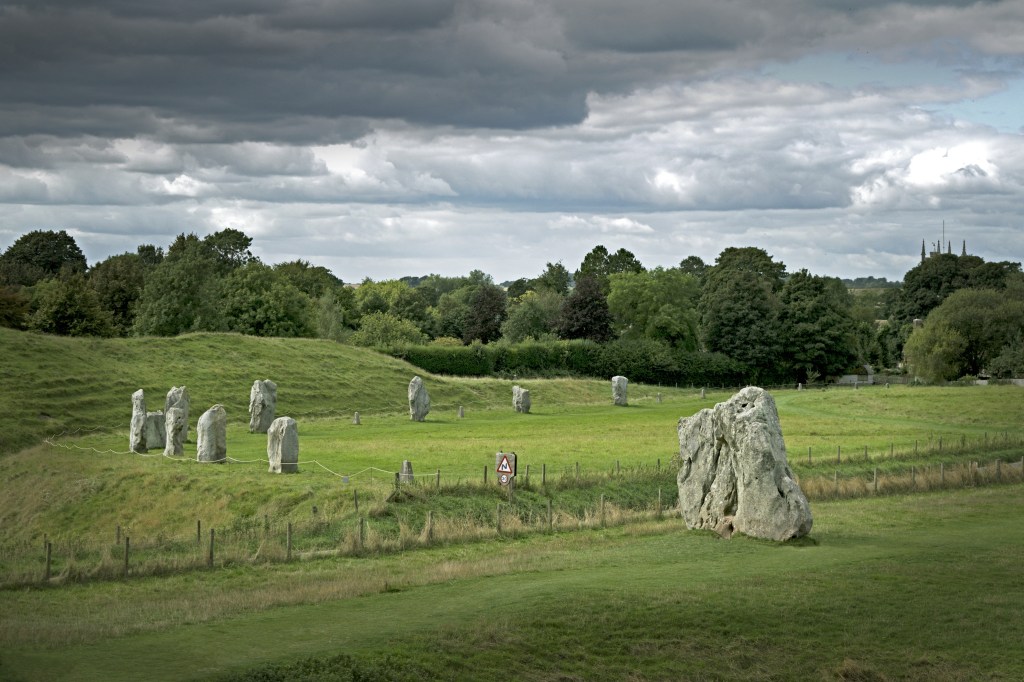
In Canada, there’s none of that. There’s a lot of natural beauty, but physical remnants of history? Not so much.
When I came back to Canada in October of 2019, it was like going from feast to famine, and I made that shift without an ounce of grace or gratitude. I think, though am not certain, that I fell into a depression. It was not pretty. It’s still not; but irregardless of any of that Covid-19 has come for me and my arrogant attitude like a swift kick from a frozen mukluk.
It took a hot minute for the cabin fever to set in, but about a month into social distancing and business closures I was starting to look forward to going to the grocery store. I had begun to drive for the first time in my life, and suddenly everything was interesting.
I wanted to know the boundaries of my small town. I wanted to know which way our neighbouring towns were, and map them. I wanted to know where the fancy houses were, what the names of their restaurants were. I wanted to know where the forest swallowed up their streets. I wanted to know my way around my new territory by heart. I didn’t even need to get out of my car, it was enough just to go.
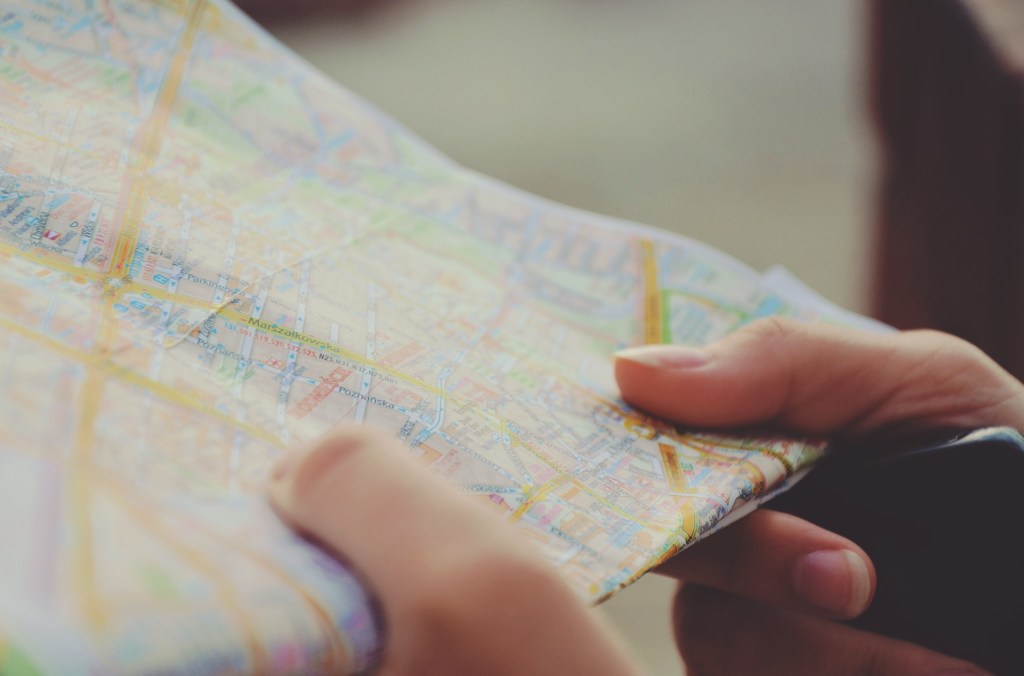
There was a moment while reading Sam’s article that was very disillusioning. Each location she mentioned had my envy growing, Marrakesh, Wroclaw, and Taghazout, I knew that if I had the opportunity I would explore every nook and cranny of those places. Yet I came to the realisation that from October to the beginning of April I had done nothing but mope. For months I had taken it for granted that there was nothing to see around me. I had forgotten that travel and history are not inextricably linked. Depression or no, I hadn’t exactly helped myself.
Now, slowly, I’m trying to remember the things I love about travel. The feeling of warm spring air through the car window, so welcome after months of hard, cold winter winds. The scent of tea in a travel mug, which smells inexplicably of Fruit Loops. Seeing the lights of a new town at dusk, or a snowy owl perched upon a telephone pole. The joy of passing a place you didn’t have time to visit just now, but that you’d make a note to visit later, and the pleasure of being able to finally see what it was when later finally came. The simple adventure of turning onto a road you’d never been down before, just to see where it goes.
I had forgotten those things. I, who thought myself immune, had taken travel for granted, in the same way that I think many others do. We forget what is right in front of us.
Forgetfulness is unfortunately not only a symptom of depression, but also of humanity. We act as though Covid-19 is unprecedented, but it isn’t the first illness to sweep across our species, nor will it be the last. I am thankful that thus far my loved ones have remained healthy and my sympathies go out to those who cannot say the same. Their stories should be told, but they are not mine to tell.
I am simply here to remind those who may have also forgotten: The most important part of travel is not the destination, it is the small, ordinary miracles and random moments, all strung together to form the journey.
The Tower of London
History in the heart of London has no more recognisable name than the Tower of London. Found right on the banks of the Thames, it’s one of the places that should definitely not be missed if you’re spending any time in London. There’s been a fortress there since the Roman era, back when the city was still known as Londinium, and the Norman fortress is still standing tall. It has been converted into a fabulous museum dedicated to the history of the tower as a whole. Within you can find suits of armour for both men and horses, the chopping block used in several royal beheadings, and much, much more.
The Norman interior is surrounded by other towers, used for among other things, as torture chambers, prison cells, and some were even used as part of the menagerie the royals of England kept. If you look carefully, you can still find some of their metallic counterparts. Be sure to keep an eye out for lions, monkeys, an elephant, a polar bear, and of course the famous Tower Ravens!

In the church to the left of the entrance you can find Queen Anne’s grave, and just past that in one of the towers you can find the Crown Jewels, a glittering collection of gems, dinnerware, and naturally, crowns. Keep going straight when you first enter and you can find the aptly named traitor’s gate, wherein passed criminals and queens on their way to imprisonment, or worse. Have a wander and you might find solve the centuries old mystery of two missing princes, said to have been buried in a wall within the fortress.
Feeling overwhelmed? Not to worry, Yeoman tours leave every hour from the bridge at the entrance.These men and women are mostly retired military professionals who now live in and protect the Tower of London. Yes, that’s right, the Tower of London is a home, not just for the Yeoman, but it’s also a royal abode. Should there be a need, the Queen can stay in the Tower of London.

Getting there from the Tube is super easy, just hop off at Tower Hill on the Circle and District line. You should be able to see the tower as soon as you come out of the station. If not, just keep walking straight until you come to the river. Before you hit any sort of water you’ll see the tower, and the great grey building outside that serves as a gift shop. The ticket booth is just before that to the right. Don’t bother with the ‘donation’ price on this one, the Queen owns this palace, let her keep it up with her own money. True to the advertisement on their website, though, you’ll save valuable time if you purchase your ticket online. It may seem like a trivial couple of minutes, but to put it into perspective, I’ve been to the tower three times and I’ve still not seen everything it has to offer. Go early, and plan to stay all day!
There’s a quick security search before you go in, but it’s nothing to worry about. They ask you to open your bag, and from what I’ve seen are just looking for anything obviously dangerous like firearms or knives. They won’t take away your water, in fact you should be sure to bring some. There is a kiosk inside the tower that sells water and snack-ish food, but it will cost you much more than if you got it at an Off License (corner store). I also advise bringing sunblock, as you don’t want to be trying to find shade when you could be exploring.

You’ll also see the Queen’s Guard there, the men wandering around wearing the bear fur hats, red jackets, and weirdly large boots. Many people try to get them to crack a smile, they tell jokes, dance, pull silly faces, the like. God help you if you touch them. My advice is to leave them well alone unless you want a picture. You needn’t ask, they can’t answer anyway, just try to remember that you’re posing with a human being who has no choice in the matter. Give them their dignity, don’t get too close, and if they move away, don’t take it personally. They’re just doing their job, and you can always follow them and try again. They usually don’t wander far!
Be prepared to climb quite a few steps, bring a camera, and most importantly, have fun!
What are your experiences with the Tower of London? Have you not been but want to visit? Let me know in the comments!
The Burning of Notre-Dame
Notre-Dame de Paris is arguably the world’s most easily recognisable and well known cathedral. Having stood for almost a thousand years, the history of Notre-Dame is a rich and essential addition to the cultural knowledge of France, and is an integral part of its national identity.
Naturally, when I first saw it, I was unimpressed.
My twelve year old self really only knew three things about it, two of which I discovered upon arrival:
1. This was where Quasimodo lived.
2. The cathedral was much smaller than the movie made it seem.
3. The heat here was tolerable.
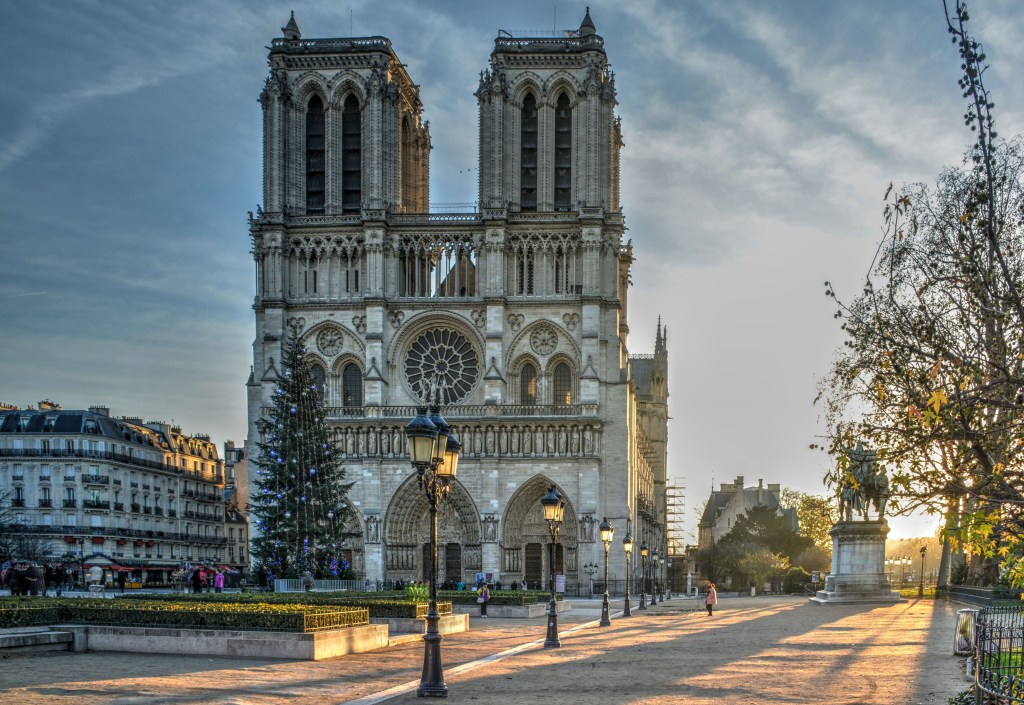
My family and I had been driving through Europe for the better part of a month at that point, having started in Italy where Granny and Grandpa Lostman had a small flat. We had driven around Italy, visiting our extended family before heading north into Switzerland and finally France. After the 40°C Italy had offered, I was ecstatic that France had a more temperate climate. Moreover, the monotonous and borderline nationalistic Ontario Social Studies curriculum hadn’t mentioned anything about the cathedral. My only source of context was the Disney adaptation of Victor Hugo’s novel, The Hunchback of Notre-Dame.
I was tired, moody, and generally under-educated in the history department.
Notre-Dame certainly dwarfed the buildings around it, but Disney had painted a picture of a behemoth, with towers that reached up past the clouds, monks that sang from dawn until dusk, and huge, beautiful stained glass windows awash with light and colour.
The building before me was small, the window less glass and more stone, and after having been dragged through hundreds of churches all summer, I no longer expected to hear monks singing.
Having seen the outside I was ready to call it a day and head on over to Euro-Disney, but my family insisted we go inside. While they waited in line my attention turned to the pigeons in the courtyard. I found myself wishing that I could feed them like I had in San Marco’s square.
When it was finally our turn, I was called back to the line, and that was when my perception shifted.
I could see now that what I had thought were small doors for a cathedral were massive slabs of wood and iron. They made me feel small; not a common sensation for a girl who was perpetually among the tallest and largest of her classmates.
The cathedral was dim when I entered, and it took a moment for my eyes to adjust. I began to see the light from the chandeliers, low and gentle on the ancient stone. Grand pillars stood tall and strong, supporting arches that soared high above my head. Votive candle light danced upon the carved marble and gold within the chapels and the sun spilled in through each panel of stained glass, painting the glossy and foot-worn floors with every colour I could ever have imagine. Somewhere deep within it’s halls I thought I could hear voices raised in song.
I was enchanted.
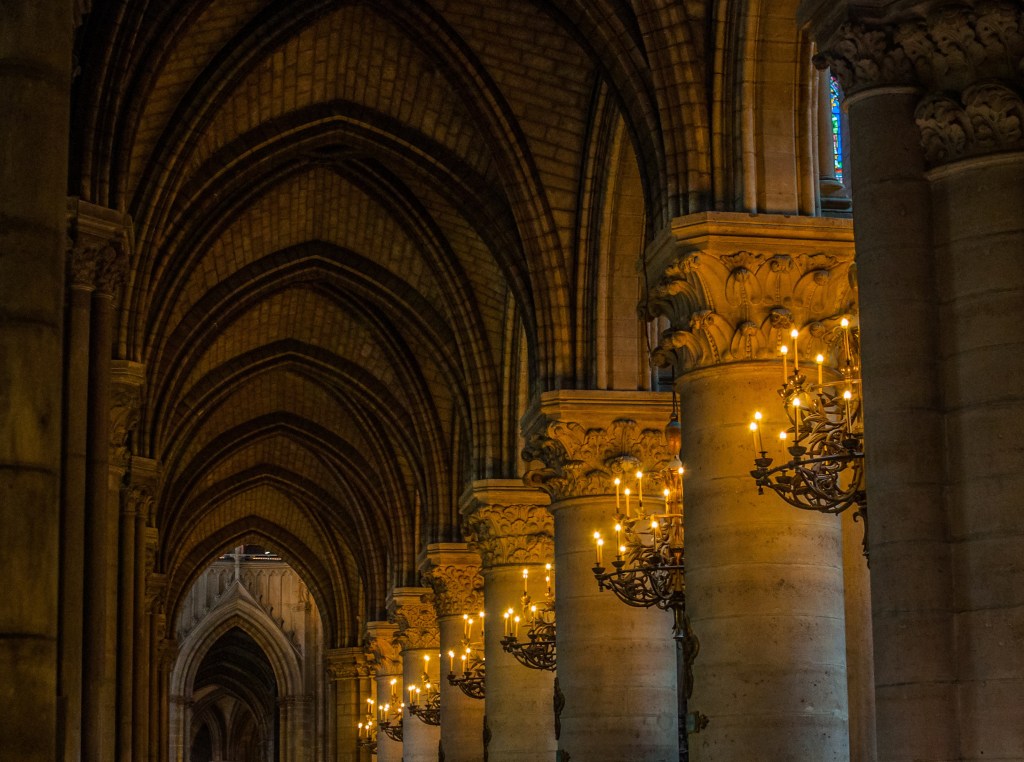
The more I explored, the more I fell in love with Notre-Dame, and by the end of the visit it held a special place in my heart. I’m French by blood, and have always felt at home in France, but suddenly Notre-Dame had become the heart of that feeling.
I visited the cathedral once more over a decade later, this time with Arrow. I had insisted she see it, more for my sake than hers, truth be told. We sat a while together, listening to the echos of a thousand footfalls and the softness of whispered prayer. The stones themselves seemed to reverberate with a twinkling, almost mischievous acknowledgement. Notre-Dame remembered me, and it knew that I could sense it.
Though, I suppose, that could just be my imagination.
Either way, I was happy to see it again, to walk beneath it’s arches, bask in it’s glow, and light a few candles. When we were finished Arrow and I shared a delicious lunch in the a cafe next to the cathedral, all the while listening to the soundtrack from the Hunchback of Notre-Dame. We had run out of time to be able to climb the bell tower, something I had wanted to do, but we were blessed enough to hear the bells ringing for a moment while we ate. That whole morning was magical, and I was so grateful to be able to share one of my favourite places with one of my favourite people.
Of course when Aunt River told me she wanted to visit Notre-Dame, I was all for it. I had said to her that I was going to climb the towers, as I might not get another chance to do so, but that she needn’t climb with me if she didn’t want to. I had planned it all out, gotten the apps that I would need, and made deliberate time in the schedule for the climb as well as another visit inside the cathedral, to once more say hello to my old friend.
We were scheduled to leave for France on the 17th of April, 2019. Notre-Dame de Paris burned on the 15th.
It was that evening that I got the news. I had just sat down with a snack, prepped to watch reruns of the Great British Bake Off, pleased as punch with myself that short of a few dishes my flat was clean and everything was ready for Aunt River’s arrival the next day. A quick peek at my phone revealed a text from Dragon: “Notre-Dame is burning.”
I snorted and thought “What? No way.”
I thought she was kidding.
Then she sent the link.
The video was short, but clear. There was the cathedral, belching smoke, hollowed out with flame.
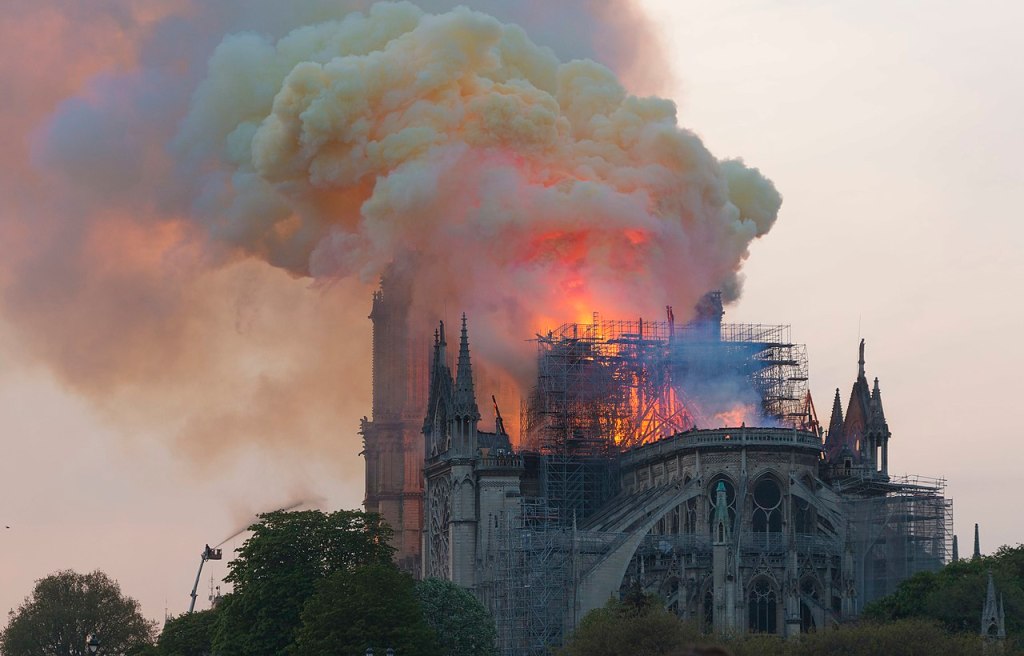
I was texting everyone I knew, sending the link, vainly hoping that someone would tell me that actually the video was a fake and I needed to calm myself. No one did, of course. More videos followed, firefighters doing their best to control the spread of the flames, Parisians looking on, weeping and heartbroken like I was, some so hurt that their pain turned to song.
By the time the spire collapsed I was in tears.
When Aunt River and I arrived in France we almost immediately set out to see the damage. We had wanted to explore Montmartre, the place we were staying, so our first stop after the little markets was Sacré-Coeur. The name Montmartre means ‘hill of the martyres’ or ‘martyre’s mountain’, and so naturally the Sacré-Coeur basilica is right at the top. It was a good vantage point to see the city and we, along with many hundreds of tourists that day, found Notre-Dame rather quickly.
Hope sparked when I realised the towers that I had wanted so badly to climb looked intact. Of course there could be internal damage, and I wouldn’t be able to climb them on this trip, but there was still a chance that they might be repaired and accessible in the future. I decided then that even if I was ninety by the time they finally re-opened the towers, then so help me I would drag my frail old behind up those steps if it was the last thing I did.
A few days later we went to see the cathedral up close. By then the police had cordoned off the surrounding blocks and were posted at each entrance. The only proper view of Notre-Dame was from across the Seine. Thousands of people surrounded us, their footsteps echoing through the streets, prayers were spoken aloud for a quick repair and a speedy recovery of the injured firefighters. The stones seemed to call out to the people who came to witness the destruction; “I am bowed,” they said “but I am not broken.”
But that could just be my imagination.
I just discovered this and it couldn’t wait!
Okay so it could wait just a little bit because I discovered this at like 2 in the morning and I actually wanted people to see it, but still!
If you have an iphone and you press the lock button five times you will be given this image.
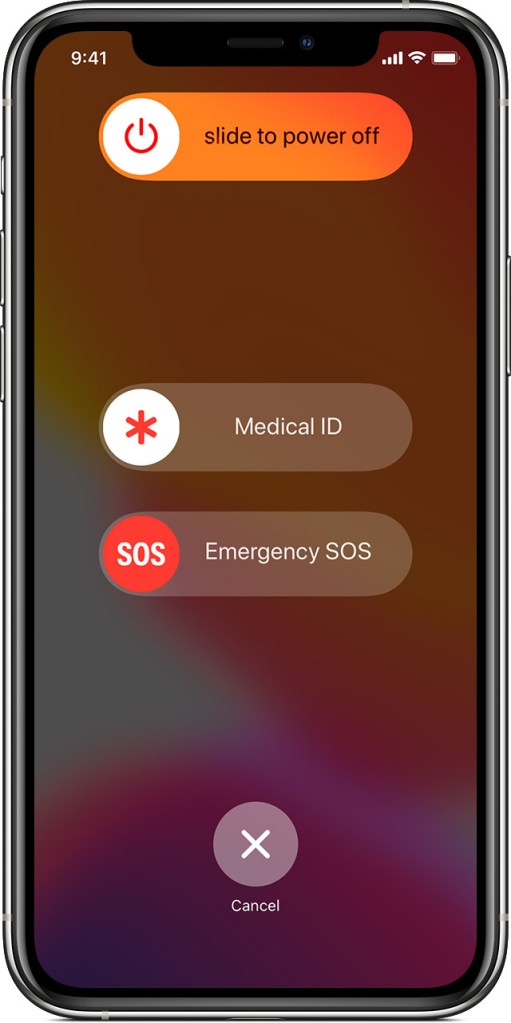
If you press Emergency SOS it will automatically call nearby emergency services. Choose between whatever is available in that area, but after that you needn’t do anything but speak with the operator.
I was testing it, just bringing the screen up, never swiping, and on the third time it automatically called without me having to swipe, though this might have been because I went into my settings and turned on the autocall option.
You can also add your medical ID, which will bring up your own ICE (in case of emergency) contacts.
Anyway, I just wanted you guys to see this, because one never plans ones emergencies!
Wash your hands, stay home, and stay safe gentle readers.
-Lost
Keukenhof Gardens
Let me level with you guys, I was not a flower person until I went to the Keukenhof Gardens. I’d once planted tulips as a kid, and I have a white peony named Boule-De-Neige that I’m particularly fond of, but other than that plants seem to die when I care for them.
When I convinced Aunt River that we should go to the Netherlands, she insisted that we see the Keukenhof Gardens. I took the idea in stride. It wasn’t my idea of an ideal destination but she wanted to see it and my inner Victorian didn’t dislike the idea of having a peaceful stroll in a garden, especially with good company. Mainly, I figured it would be good payback. For most of the trip I had overwhelmed Aunt River with historical knowledge, now she could overwhelm me with her gardening expertise.

To get to the gardens we took a bus from Amsterdam, and a quick note about that needs to be made here. Amsterdam is split up into two parts by the river Amstel. The south side is where most of the hotels and cultural sites are, but the bus that takes you to the Keukenhof gardens is on the northern side. You need to take a ferry to cross over, so just remember to allow time for that when you’re making your travel plans.
The bus ride wasn’t long, maybe about an hour or so, but the scenery was beautiful. There are tulip fields, houses, windmills, the whole atmosphere is very peaceful, soft, and quaint. Take in the scenery, or like I did, take a wee nap. You’ll be doing a lot of walking when you get there.
Every year in the fall exhibitors are asked to come to the Keukenhof Gardens to plant their tulip bulbs. In the spring it basically becomes an outdoor museum of everything these plants have to offer. Any colour, any shape you can imagine, curls, blotches, stripes, they’ve got them. It was really impressive to see what could be archived, but I think it’s best to have a little tour of Amsterdam Tulip Museum before you go. It gives some context to what you’re seeing, and it tells you how these flowers are created. I don’t think I would have been half as impressed with curled edges on tulip petals if I didn’t know that it was actually a virus that created them!

Keukenhof offers many more flowers than just tulips, but irregardless of what kind it is, each patch of flowers will have it’s own little plaque with both the name of the flowers as well as their growers. Take pictures of the ones you like because there are three kiosks within the gardens where you can order bulbs for yourself! You won’t be able to find all of them, but they do have a very wide selection, they’ll offer you free shipping if you spend over 100€, they ship internationally, and the bulbs should clear all import regulations for your country. They’ll arrive in the fall when the bulbs are ready to be planted.
The garden does provide a pleasant atmosphere and, for those of us who are secretly vampires, there are plenty of trees to provide shade for your promenade. Be sure to take a leisurely pace because there aren’t a lot of places to sit down. This especially holds true around lunch time. You can buy food at the garden, but bringing your own picnic blanket and packed lunch wouldn’t seem out of place.
Other than the flowers there is also a windmill you can climb and the main exhibit hall where each year artists bring their paintings, sculptures, and other works in accordance of that year’s theme. When Aunt River and I went the theme was 70s Flower Power.

Make sure you know when the last bus of the day leaves, and aim for the bus before that. You wouldn’t want to get stuck miles away from your hotel without hope of finding your way home! I would also recommend that set aside a good hour if not more at the kiosk if you plan on ordering tulips, even if you already know which ones you want. There’s a whole book to look through, and you’ll need to make sure that each tulip you want can grow in your area, whether or not they’ll naturalise, and where to put them in your garden for direct or indirect light. There’s a lot to consider, so take your time, and choose carefully. The bulbs are not cheap, but they’re definitely worth it!
Are there any gardens you’re particularly fond of? Let me know in the comments below, even if it’s your own!
7 Weird Travel Foods
It doesn’t matter if you’re in Banff or Beijing, you need to eat. It’s something that I’ve often budgeted poorly for in my travels and something I need to improve on, but on the plus side that means I’ve encountered a few odd edibles! Full disclosure, when I say weird foods, I don’t mean things that are overtly cruel like eating live octopus. I just mean things that I don’t necessarily encounter very often, or things that I’ve heard a lot of people turn their nose up at. That said, here are some foods whose very mention would turn people off, but that I boldly (or unwittingly) dove head first into, for better or for worse.
#1. Cow Tongue
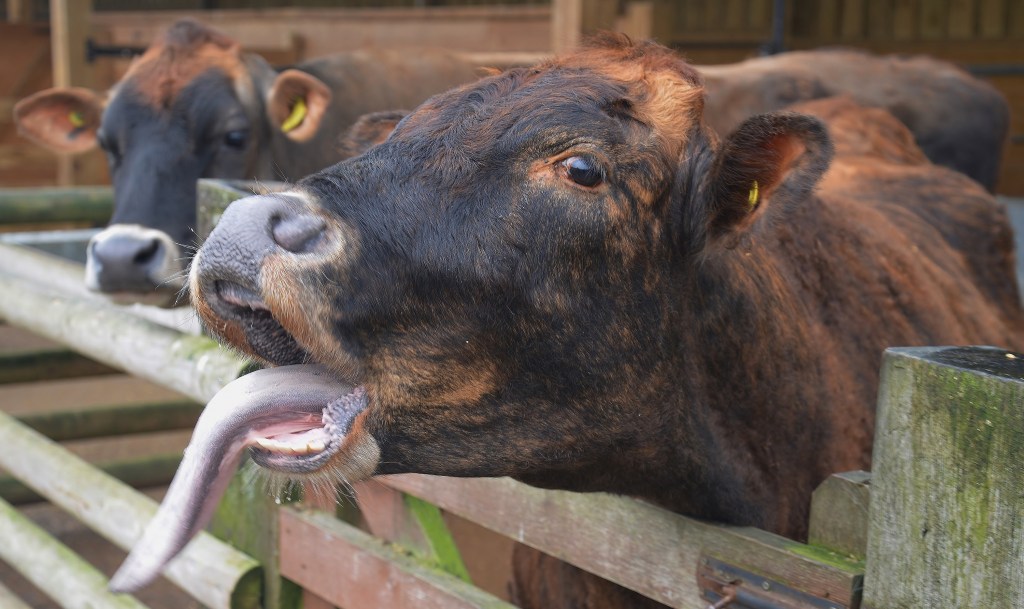
I was nine and living my best pool-life in Mexico when I first got a taste of cow tongue. The resort we stayed in had a pool side buffet that was open for lunch while the other restaurants closed, presumably to clean up from breakfast and prepare for dinner. I wasn’t picky as a kid but I didn’t really find myself drawn to anything exotic. I wanted something that I knew. The sign above the beef tongue just said beef as far as I recall, so not knowing any better I grabbed that and some beans for my lunch.
I don’t know if it was because I didn’t have the vocabulary to describe texture, or because I had never really thought about it before, I just knew that the beef tasted the same … but didn’t taste the same … all at the same time. That said, it was good, enough so that I had it for lunch every day, even after Dad explained to me what it was.
#2. Haggis
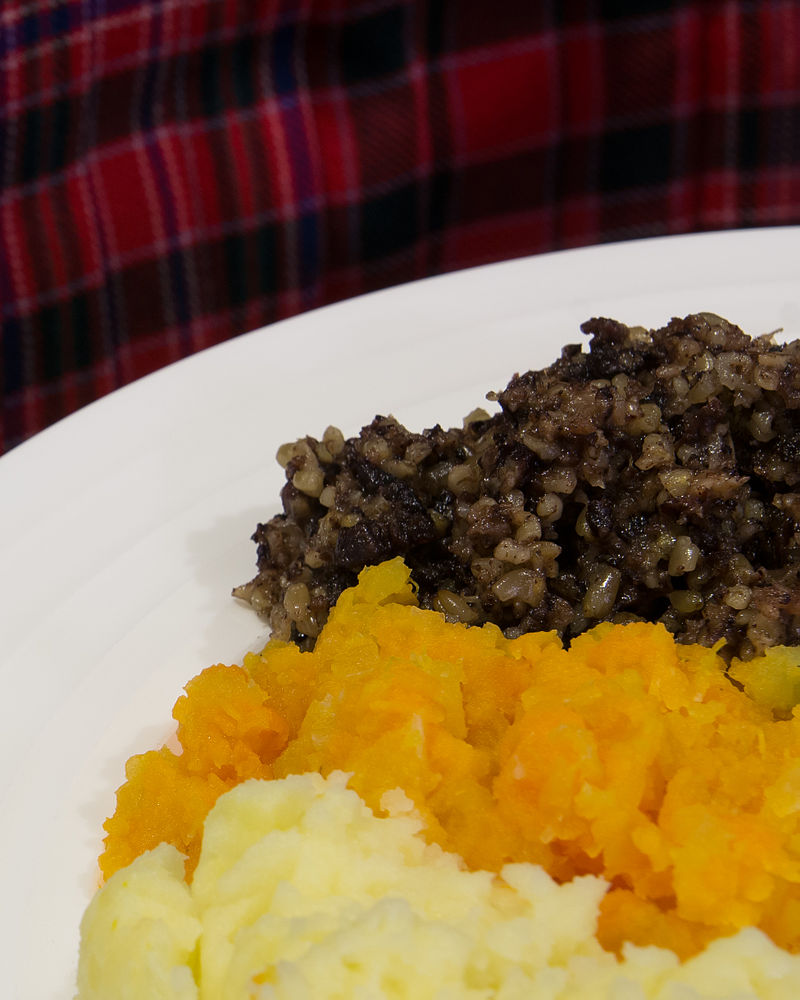
Unlike with cow tongue I was an adult the first time I tried haggis. For my family’s first meal in Scotland it couldn’t be anything else! We all ordered haggis with neeps (turnips) and tatties (potatoes) and tucked in. As we had suspected, it was delicious!
The media seems to present haggis as some backwoods, lunatic dish only to be eaten by the bravest souls because the main ingredient is offal. Not awful, offal; the internal organs of the animal. The liver, heart, intestines, lung, all that good stuff. Of course, if you ask anyone who has actually tasted offal they’ll tell you it’s actually pretty good!
We had a little secret though, which was that Granny Lostman makes an amazing turkey stuffing using chicken hearts and gizzards, and it was one of my favourite foods as a kid. It still is! They’re essentially the same meats so we all figured we’d enjoy it, and we most certainly did.
#3. Black Pudding
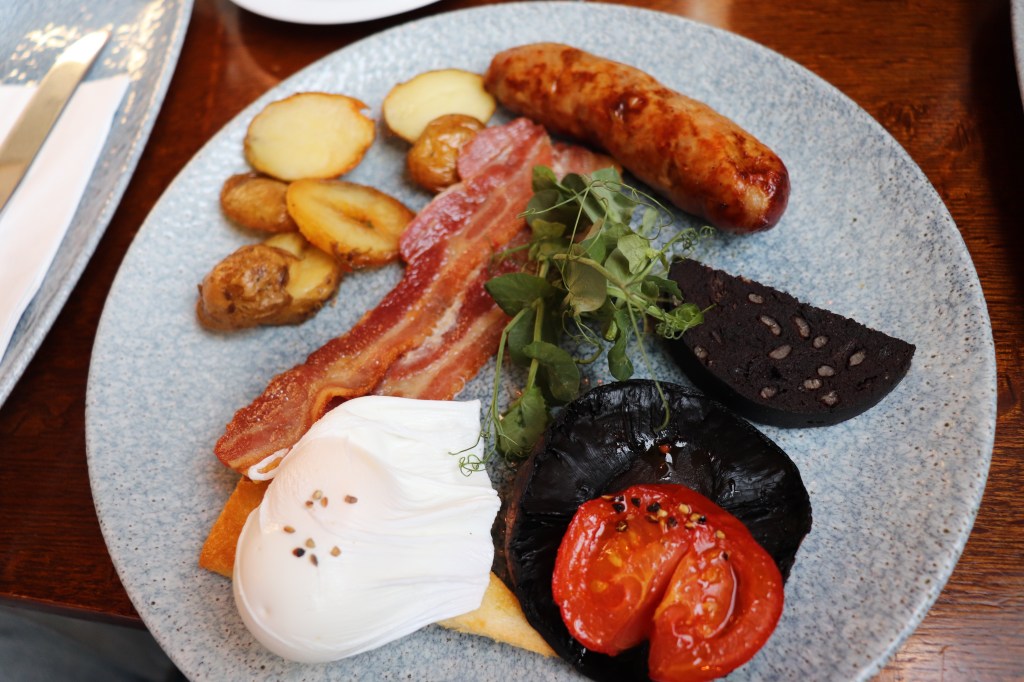
Black pudding, or blood sausage, was something I first had in England. I didn’t know what it was when I read it on the menu, so I figured why not order it and find out. It was served to me as part of a full English breakfast, similar to the picture above. See that dark half circle? That’s black pudding. One sniff was all it took.
The scent of blood washed over me like a wave, and I was fully ready to turn my nose up at it. Mom hit me with the old “How do you know you don’t like it if you haven’t try it?”
I tried it. I didn’t like it. Mom traded me her tomato for it, and I’ve not bitten into another one of those bloody messes since.
#4. Spam

The one on the left is Spam. The others are similar, but not quite the same! I first tried it when Forest, Dragon, and I had a get together to watch some Kdramas. We decided to try our hands at making Budae Jjigae, a much beloved Korean dish whose name translates to Army Base Stew. It was created during the Korean War when locals would add the American imported hot dogs, spam, and cheese into their own strew for a bit of extra protein. At the time it was considered a peasant dish, but it grew to become a delicacy that even fancy restaurants serve.
Forest and Dragon had both tried it before, but as I hadn’t, Forest sliced me a little peice of spam to try while the rest of the stew simmered. I instantly regretted putting it into my mouth. The girls insisted that we put it in the pot anyway, and I’m glad they did because the spam went from tasting like something I might feed a cat to a wonderful, salty, spicy treat! I might have had to fight them for it had we not put so much in!
#5. Escargot
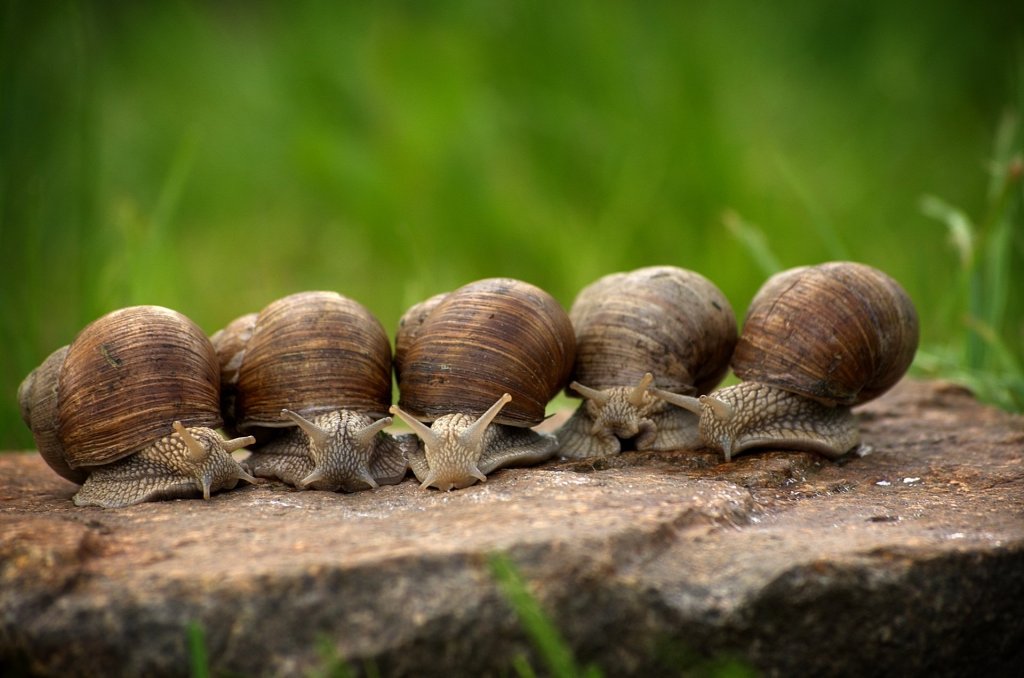
Yup! Snails! I had occasion to try them while the family was out celebrating Granny Lostman’s birthday. I found them underwhelming in a very strange way. I would have expected them to be either delicious or disgusting, but they were just rubbery. I couldn’t really taste them because they were smothered in butter and cheese. If that much fat is needed before something is considered edible, maybe we really shouldn’t be eating it.
#6. Marmite and/or Vegemite

If there’s a difference between the two I am unaware of it. I just know that Aussies and Brits love it, and my British Mom spread a bit onto toast for me so that I could try it when I was in England. You either love it or you hate it apparently, and I’m afraid I may have offended her by not finding it that great. I don’t hate it, in fact I like the true flavour of it, but the aftertaste is so bitter that I can’t see myself eating it again.
#7. Kangaroo
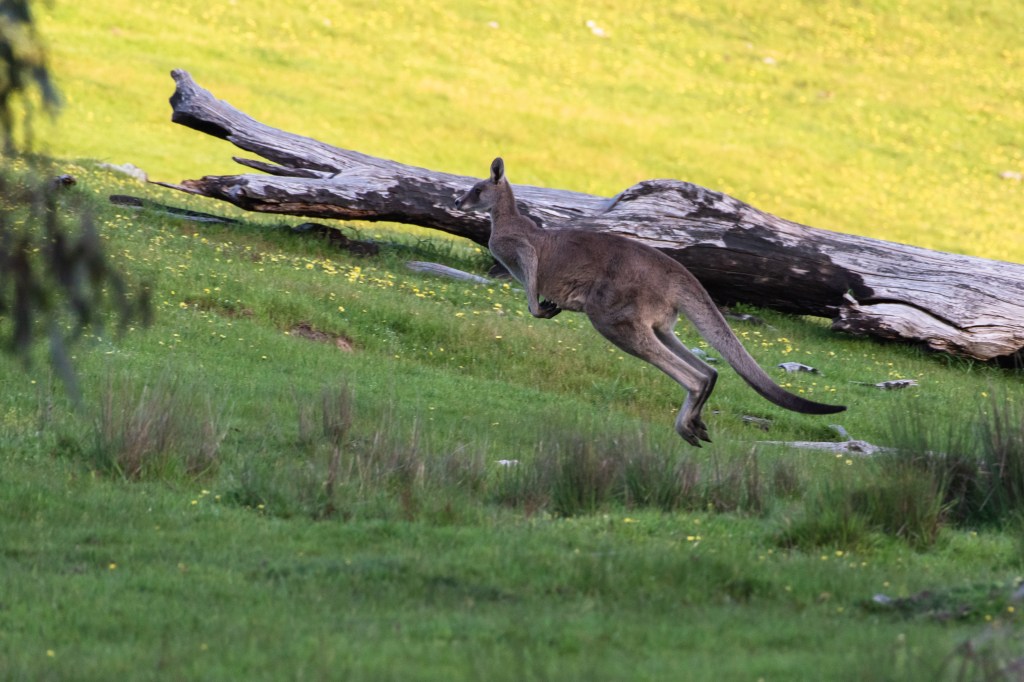
I actually had this in Canada, though I was traveling at the time. It was minced kangaroo, made into a burger. It was lean, and slightly sweeter than average, but if the waiter had told me it was a chicken or turkey burger I would have believed them. I definitely want to try a kangaroo steak next time, with no marinade or rub so that I can get the proper flavour of it. I’ve heard you can get them in Australia, so if I ever find myself that way I’ll make sure to order it!
Are there any weird foods that you’ve tried in your travels? Did you like them or leave them? Let me know in the comments!
Xel-ha
There are only two places I’ve visited which can boast having crystal clear water. The Bruce Peninsula in Ontario, where the water is so cold it shattered a waterproof watch, and the Xel-Ha park in Mexico. Pronounced Shell-Hah, it is significantly warmer than the Bruce and provides a far more pleasant swim. Full disclosure; I couldn’t find any pictures of Xel-Ha, but I tried to get pictures of parts of Mexico that resemble it. When I can find the ones we took I’ll be sure to scan them and add them in!

Xel-Ha is not a typical water park in the way that Canadians or Americans would think of them, but it certainly is a park with a lot of water! The idea is that you swim the riviera, following the spaces in the mangrove until you come to the mouth of the sea. It’s a beautiful, relaxing, and enchanting swim, where you can watch tropical fish darting in and out of the submerged roots.
I remember taking a bus to Xel-Ha from our resort, though after Dad read this article he told me we’d actually taken a cab. Another little reminder that memories can be faulty! Upon arrival I was fitted for a life-jacket, flippers, and a snorkel, and Mom was warned about the dangers that the mouth of the riviera posed to someone small like me. It was pretty windy that day, and everything from the waves to the tide could have swept me away in the blink an eye. I remember her assuring the staff that I was a very strong swimmer for my age, but looking back it was good of them to be concerned, and showed real professionalism on their part!
To get to the starting point of the riviera there is a little bit of a hike, which, in a bathing suite while carrying my swimming gear, is certainly one of the stranger things I’ve done. Take your time swimming back, and just follow the river. Remember not to tip your head back too far if you decide to look forward rather than down at the bottom. Your snorkel will fill with water, as mine did on several occasions. Keep a sharp eye out when you get closer to the ocean and you may see a sting ray or two gliding along the bottom! Keep in mind though, that the closer you get to the ocean the lower your visibility can become. When it gets to the point that you can’t see the bottom or even a good several feet in front of you, it’s time to either turn back or head to shore. It’s all nice and well to see a stingray at the bottom of a crystal clear river when you’re floating on the top, but you won’t want to tangle with anything that likes to linger in the murk.

There’s a bridge that crosses the mouth of the river which is designed to help you move around the park with greater ease. It’s made of what looked to be planks of some kind which floated on the surface of the water. My family and I saw people walk across it, but we did not brave it ourselves. There were no ropes or handrails to help you cross, and the bridge was rocking rather harshly with the waves. We weren’t contemplating crossing it with any seriousness, but then Mom spotted two enormous shadows in the water. They were at least four feet long and moved with hair-raising swiftness, circling beneath the bridge. My theory? Barracuda. I don’t know of course, but their shadows alone were enough to send us back the way we’d come.
There are of course many other adventures you can have at Xel-Ha, including swimming with dolphins and manatees, scuba-diving, and visiting cenotes. It’s a great day out for adults and children alike, and I know my nine year old self really loved it. Don’t forget your waterproof camera, your towel, sunscreen (oil free please, asks Xel-Ha, to keep their wildlife nice and healthy), and your sense of adventure!
Are there any enchanting swimming areas that you’ve found in your travels? Let me know in the comments!
 Lostman's Star