Lostman's Star
Not all those who wander are lost, but I certainly am!
Souvenir Ideas
I was speaking with my dear friend Atlas while writing this article, asking her about the sort of things she might spend her money on while traveling. With a severe look she told me “For the love of God, don’t buy those tiny spoons!”
I had to laugh, they do seem ridiculous to me, but I’m sure some of my souvenir habits seem ridiculous to other travelers.
I’ve recently had to rethink what sort of things I wanted to purchase, and while I’ve come up with a list of self imposed rules, it really all boils down to things that are small, are an active part of my life, and that will last.
So what kind of things do I spend my money on?
#1: Post Cards
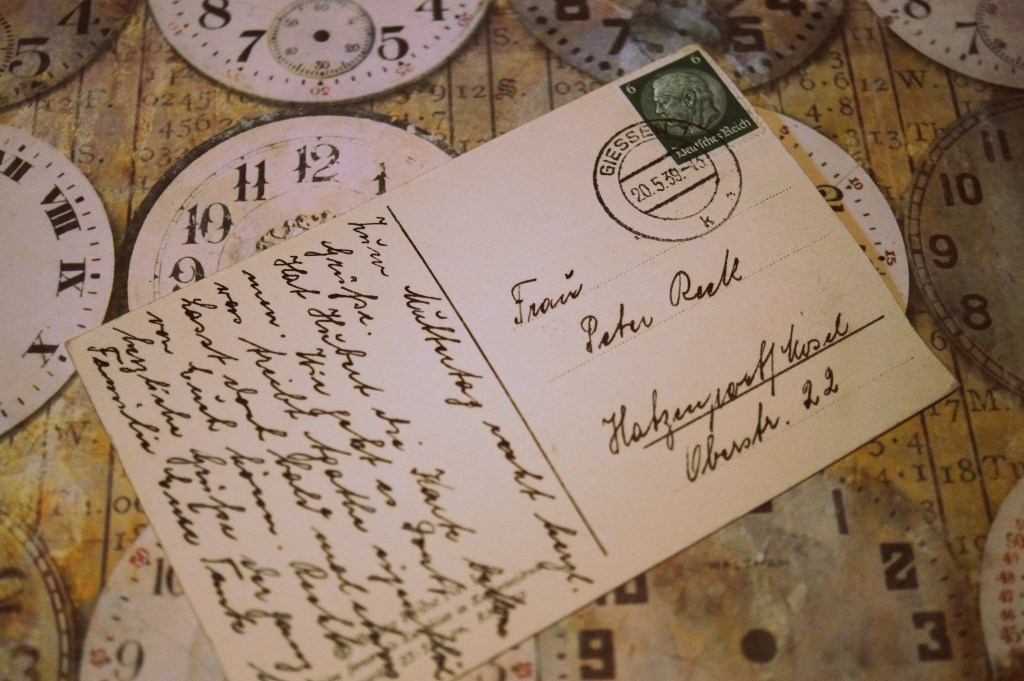
I’ve mentioned before in several articles that I’m not the greatest photographer in the world, so it’s nice to have a much more dramatic representation of the places I’ve visited. A couple of coins usually covers the purchase, and at the end of the trip I bind them into a little booklet alongside the name of the place they represent, and the date that I’d visited. It ends up being like a photo album, only it’s me who’s made the album rather than taken the photos!
#2: Christmas Ornaments
Light, and compact, Christmas tree ornaments can be a great way to bring your international travels home. I try to get ones that are culturally reflective of the places I’ve visited. When in Oberammergau I purchased one that featured my favourite carol on it, Silent Night, written in the original German. At the Cliffs of Moher I purchased a wooden disk with a Celtic looking deer carved into it.
The best part about the ornaments though is that they are away for most of the year, so when I bring them out at Christmas I get a little happiness high; I take my time unpacking each and remembering the amazing trip I had with the people I love.
#3: Paintings and Prints

This is why my list of requirements doesn’t include ‘cheap’. If I find a piece by a local artist that I find inspiring, I’m not opposed to putting (what I consider) a serious bit of cash down. In the case of paintings, art shops and artists themselves are usually willing to take the canvas off the frame for you so you can roll them up for ease of transport. Wrap the painting in plastic wrap if you can, to keep it safe from any spills from wayward shampoo bottles during transport.
Transporting older items is a little bit trickier. I have a set of newspapers from the eighteen hundreds that I bought with Aunt River at the Marché Au Puces in Paris. Things like these need to be handled delicately, and kept flat.
If you’re staying at a hotel, ask if they have boxes they can spare. A local grocery store might have some as well. Cut the boxes up and tape two sides together. Place your artwork between the cardboard sheets, and wrap the whole thing in a plastic bag. Aunt River took them home to Canada for me as a carry on.
#4: Music
Not just any music though! Only music which has been produced by a local artist or from live performances that I saw while away. I also try to buy from a local shop as opposed to chain stores.
A great place for live music is Grafton Street in Dublin, where on one particular afternoon I went around listening, dancing, and tipping as my family wandered in and out of the shops. Attempting to dance like a 1920’s flapper to a tune played by the Honky Tonk Sailing Jazz Band was great fun, and it’s now a happy memory that I get to re-live when I hear their music being played!
#5: Books

I have to be careful about this one. Given the resources I would clear out entire bookstores of their inventory. I love books! I therefore have strict rules for myself: Only one per country, and it has to be about the area or by a local author; preferably both.
Good books, much like good music, they last forever in your mind and in your heart, so for me, even though it’s not lightweight or compact, books are worth it. One book. Right. One book … Maybe two books.
#6: Useful Exceptions
There are a few exceptions to my rules, but these items tend to be practical ones. I purchased a pair of pint glasses at the Guiness Brewery in Dublin, and Forest and I got matching T-shirts of our Hogwarts houses when we went to the Warner Brothers Studio in London. These items will be used over and over again, so they won’t be gathering dust.
The only thing I can say that was completely out of the ordinary for me was a splurge purchase of tulips from the Keukenhof Gardens. I planted them in the fall, and am anxiously awaiting to see them in the spring!
Remember that these are just the rules that I’ve set for myself. One of my friends collects thimbles, something I would never purchase unless for her, and a Muslim or Jewish individual might have no use for Christmas ornaments. Suit the rules to yourself, but keep the basics in mind. Keep it light, small, and make sure it will bring you happiness for years to come!
Do you have any souvenirs you’re particularly fond of? Let me know in the comments!
Travel in the Time of Covid-19: Don’t.
This post started out as a list of things you might want to think about when considering travel while there’s an outbreak of a disease, but we’re well past that now.
Don’t travel for the foreseeable future.
It’s plain and simple.
Some people won’t have a choice but to travel due to their unique circumstances, but for those of us who do have the option, it would be prudent not to until the WHO, CDC, and your federal governments tell you it’s safe to do so.
These are the links for the CDC (Center for Disease Control) and the WHO (World Health Organisation). They, and your federal government will have what information is available. Here’s the link to the Canadian Government Website where you can get what information we have.
As for me, I’ll keep posting. Nothing wrong with having a little daydream about all the places you’ll go once this is all over, right?
Wash your hands. Listen to the CDC and the WHO. Keep positive, safe, and healthy, gentle readers.
-Lost
Mauritshuis
I have to admit, I kept pronouncing the name of this gorgeous art museum as Mauritius, like the island nation off the coast of Madagascar! Without getting too complicated, it’s pronounced more-it’s-house, after it’s owner, John Maurice, Prince of Nassau-Siegen.
If this invokes images of pirates and buried treasure for you, you sadly have the wrong Nassau in mind. This Nassau refers to the region in Germany which John took his aristocratic title from. He was from House Nassau. Yes, house, just like Game of Thrones!
He built and owned Mauritshuis until his passing in 1679. Years later it was transformed into the gallery which now houses paintings by various Dutch Masters and Golden Age painters including Ruysch, Vermeer, Peeters, Rembrandt, and Oosterwijck. Below is The Night Watch by Rembrandt.

I had the opportunity to visit because of my Aunt River, who had come to visit me in England. When we were planning her trip she told me that she had wanted to see two paintings: Irises by Vincent Van Gogh, and The Girl with the Pearl Earring by Johannes Vermeer. I think she assumed they would be either in the National Gallery of London or in the Louvre. This is why research is so important! Irises is currently in the J. Paul Getty museum in Los Angeles, California, and The Girl with the Pearl Earring is in the Mauritshuis in The Hague, in the Netherlands. Since we had already planned a trip to France during her visit, we decided a short train ride up to the Netherlands would be worth it to see at least one of her beloved paintings.
I was Aunt River’s tour guide during the majority of the visit, to say the least. It got to the point where if she asked a question, I had to ask her if she really wanted to know the answer. There would be a significant delay in her answer while she thought seriously about the consequences of her question. What can I say? I’m a fountain of historical knowledge. The Mauritshuis flipped our roles.

Aunt River is the art connoisseur of the family, and she knew most of the paintings by name and artist without having to look at the plaque beside them. For her, the museum was a chance to see in person the paintings that she knew and loved, especially The Girl with the Pearl Earring.
I knew the paintings existed, and a few names sprung up that I recognised, but I’m not someone who lives in the world of classical art. She introduced me to the artists, their work, and it was a great chance for me to gain inspiration from them and for Aunt River and I to bond over some of the Netherlands’ most influential pieces of art.

If you are not a fan of paintings, you’ll zing through this museum in no time. It’s not very big, and if you give each piece but a passing glance, you could be in and out in less than half an hour. Aunt River and I spent quite a while discussing what we did or didn’t like, noting how the painter captured the expressions of their subjects, and listening to the audio guide (though that became a bit much for both of us). In general, we took our time, appreciating that we had the chance to see these paintings first hand. We stayed for well over two hours.
I recommend this museum to any artist looking for inspiration, be they painters, sculptors, or writers like myself. The stories behind the art and the museum itself will be sure to shake up your muse!
Are there any art pieces that inspired you to take a trip to go see them? Let me know in the comments!
Reasons to Leave Your Canadian Flag At Home
When I was nine, my parents insisted that I wear a Canadian flag pin when we went to Mexico. They explained to me that if we wore this we were less likely to be robbed, since Canadian dollars were worth less than American.
I hated that pin. It irritated my skin, and I kept having to worry about loosing it. What really bothered me though was my father’s question when I handed it back to him:
“Don’t you want people to know you’re Canadian?”
Ouch, Dad! I’m already on vacation no need to send me on a guilt trip!
I’ve heard a lot of reasons as to why people wear their Canadian flags when traveling abroad, and it’s occurred to me that unless they were backed up with personal experiences, the answers were often unvaried, simplistic, and left me with a lot more questions than answers.
#1: It will deter thieves.
Which ones? The ones from second and third world countries who now know that you have way more currency on you than an average person, the value of which is higher than their own money? Or is it the thieves from the first world countries who are targeting your phone?
They’re stealing for a reason. Greed and hunger are both ample motivations to ignore nationality when choosing a target.
#2: I am a proud Canadian!
That’s great, me too! It’s just a little strange that we feel the need to announce it so that people will treat us nicely. Seriously, only one other country does this. It’s just us, and the United States. Two peas in a weirdly nationalistic pod.

#3: I can meet fellow Canadians when I’m abroad.
So … you left Canada … in order to find more Canadians … ?
This reason comes from a former teacher of mine who said that it was a great way to find help. You could ask if they had any water, or just have a chat with them in your own language.
Over a decade after receiving this advice I found myself caught in Gatwick because of a situation involving drones. It was nightmarish for some people, thankfully I wasn’t one of them. West Jet had made plans to bus the passengers from my flight to Birmingham for an alternative flight, and so while we waited for everything to get sorted, a group of us began chatting with each other. We played games to pass the time, had some laughs, shared food and phone chargers, and in the end even trusted each other with our luggage. This group of Canadians, Brits, and Aussies stuck more or less together for the entire trip to Toronto.
Not one of us wore our national flags.
#4: My parents did it, so I do it now too.
I understand that this is a good way of passing down cultural practices, but it really shouldn’t be in this case. What kept your parents safe won’t necessarily work for you. The geopolitical landscape could have changed vastly between their trips and yours. If you’re able, ask them why they wore it, and leave a comment below if they have different reasons from the ones listed above!

The best way to experience a culture is to immerse yourself in it. Try to go where the locals go and do as the locals do. Keep an open mind, learn their language and etiquette. You’d be surprised what a simple thank you in their language will do! Overall, just try your best. Those things will let the world know who you are; something no flag will ever be able to.
Vacay Friday: April in Charleston
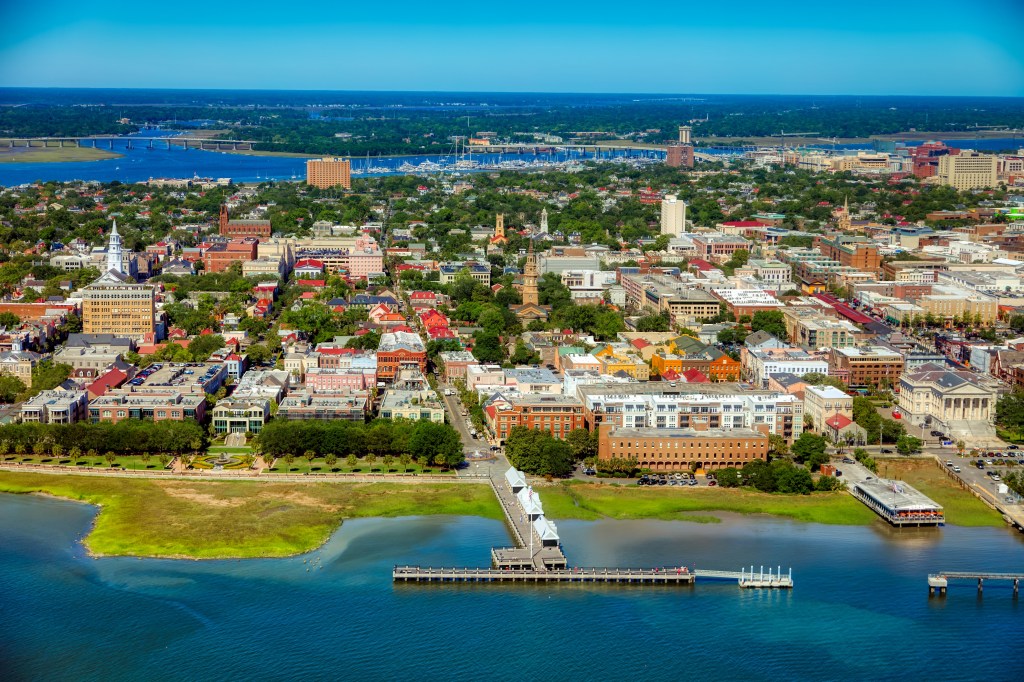
You’ll learn very quickly through the Vacay Fridays that a lot of my travel plans come from watching movies. In particular, Charleston was added to my travel list because of The Patriot. The characters, cinematography, and soundtrack still resonate with me to this day, and it encouraged me to educate myself about the history of the American Revolutionary War.
That said, the American Revolution isn’t the only event to affect the town, and during this trip I have every intention of experiencing other parts of Charleston’s history too!
MAP IT
The good thing about travelling to the United States is that it’s pretty similar to Canada, so I don’t need any extra medication. The current outbreak of Coronavirus isn’t really something that concerns me for this trip. I’m a healthy adult, and as of the publishing date of this article there are no confirmed cases in South Carolina or it’s neighbouring states. That’s good enough for me, it may not be for you. Do your research, be informed.
EDIT: I know this is a little late, but as we can see, this statement has aged like milk. Since March 6th when this was first published, the Covid-19 situation has gotten much more serious than I anticipated. I’ve kept it though, because I want my readers to know that I too am human. I make mistakes, and I can only see so far into the future. If you need information about the situation, please follow these links to the CDC or the WHO websites. Stay home, wash your hands, and be safe gentle reader.
My passport get me everywhere I need to go, so I don’t need any extra documents. There aren’t any advisories except to take the normal precautions when travelling, and the weather in South Carolina in April has an average temperature is 23, which suits me fine.
After deciding on my tours and hotels, the trip has come out to $3786.67 Canadian, without taxes or accounting for food, and will last from April 3rd to April 10th. Remember that if you book your hotel and flights together, and book well in advance, that price can be lowered.

Itinerary
Friday April 3rd
The flight leaves at 7pm from Toronto, and arrives in 9:17 in at the Charlotte Douglass International Airport. After a 52 minute layover, we board another flight at 10:09pm, and arrive in Charleston at the Charleston International Airport at 11:08pm. We’ll be staying at the Charleston Marriot, which has a 24 hour front desk as well as airport shuttles, so you won’t have to worry about getting to and from the airport or checking in. It’s also about a thirty minute walk from there to the Charleston Visitor’s Centre, so just be sure to take that travel time into consideration.
Saturday April 4th
We’re up relatively early, meeting our tour at the Charleston Visitor’s Center. We’re off to see Middleton Place, one of the filming locations for The Patriot, and the site of lovely gardens. Our tour provides round trip transportation from the visitor’s center and back, as well as lunch, so we don’t have to worry about that!
The tour will last roughly 5 hours, so what remains of our afternoon can be spent exploring Charleston. Have a walk around, take in the many historic homes, and maybe do some shopping. We had a busy day yesterday, and a busy morning, so now is our time to take it easy and relax.

Sunday April 5th
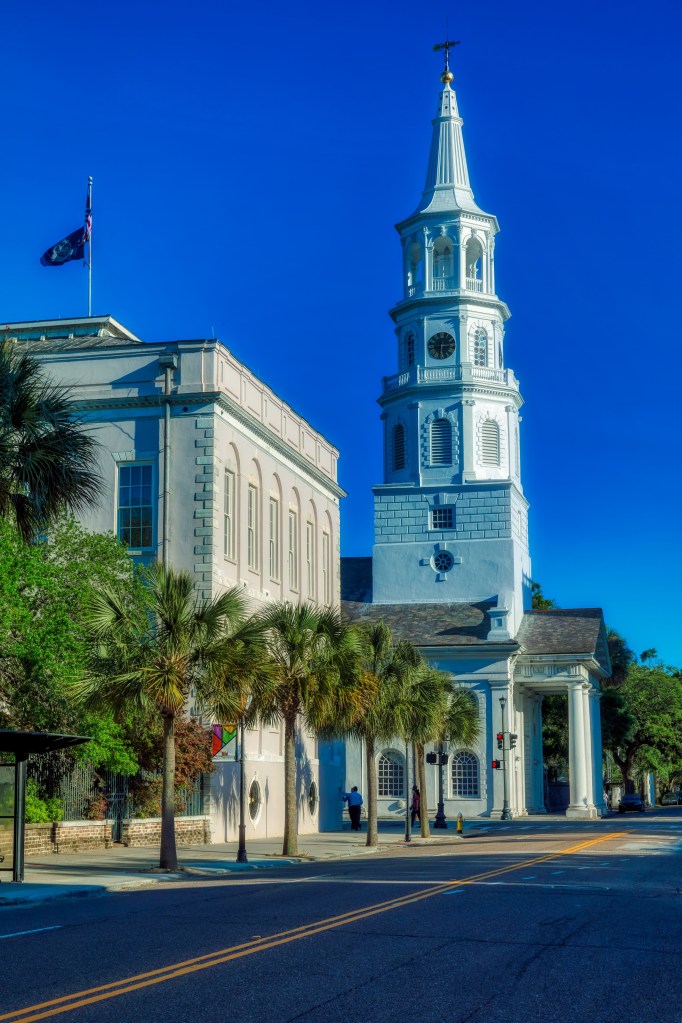
This morning we’re meeting another tour, this time at Bitty and Beau’s Coffee. Grab something to eat and drink, use the bathroom, and tighten your laces because we’re going on the Chicora Walk, a two hour tour of Charleston’s historic buildings. Among the places you’ll visit are the Old Slave Mart Museum, the Old Echange and Provost Dungeon, and Nathaniel Russell House. We’ll end up back at Bitty and Beau’s, which is convenient because that’s where we’ll meet our next tour
This one is called Badass Broads-Charleston. I really wanted this because I find historical women are often overlooked, especially in academia. This tour stops at less stops than the former tour, but it stops at the same ones. If I was actually planning this for myself I would be calling the tour company to ask how the two walks compare in terms of information. I’m happy to visit the same locations twice, as long as I’m getting different stories.
Monday April 6th
Today we’re doing more walking, this time on the Lost Stories of Black Charleston Walking Tour. We’re meeting at Buxton Books & Tour Charleston Headquarters this morning for the Lost Stories of Black Charleston Walking Tour. Much like women, there isn’t a lot of representation for the black community in historic academic writing, so I would really like to hear some of their stories. This tour is another two hours, but fret not! We have something to sooth our aching feet coming up next.
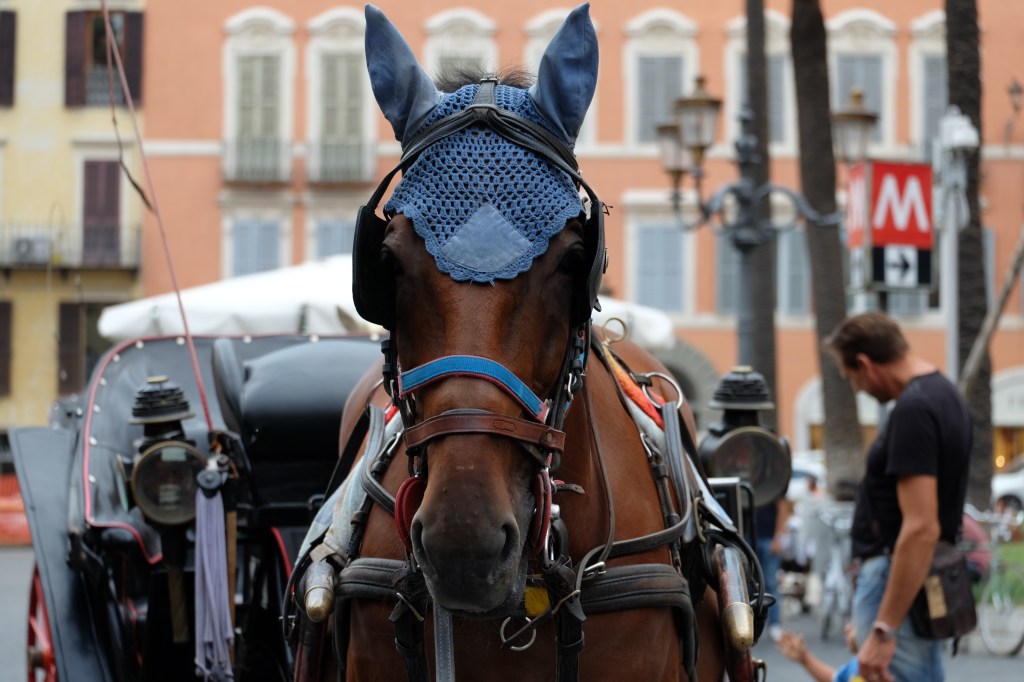
Leaving from the Old South Carriage Company on Anson street, we have a one hour horse drawn carriage tour, with stories from 300 years of Charleston’s History.
After that we’re taking a cruise of Charleston Harbour, leaving from the Charleston Maritime Center on Wharfside street. It’s a guided tour, telling you about the history of Charleston, so sit back, rest your feet, and maybe spot a dolphin or two!
Tuesday April 7th
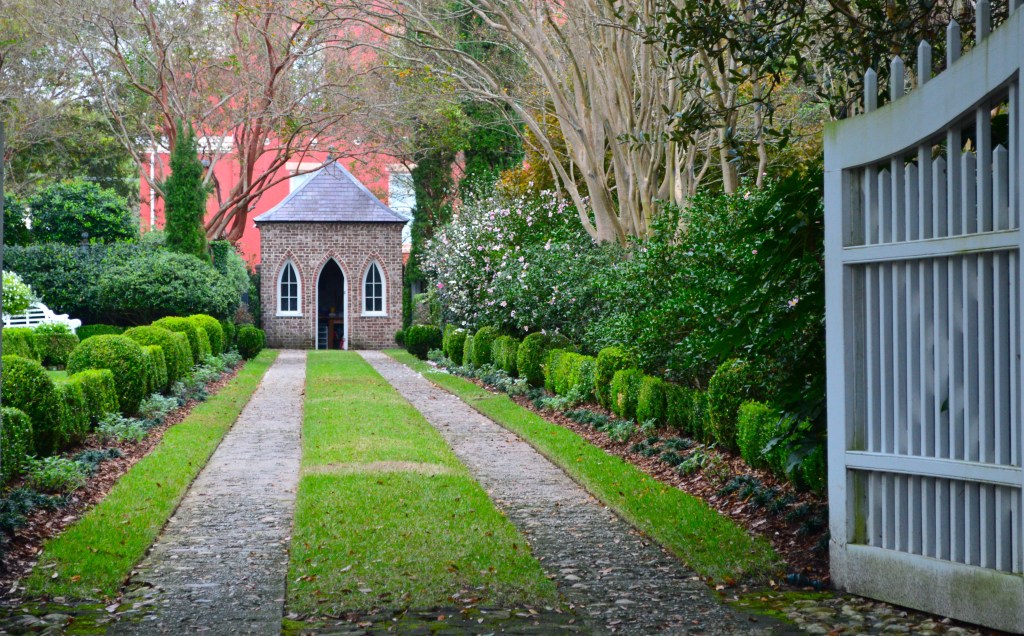
Today I’ve left as a mostly free day, because it’s a day to revisit what we might have missed. If there’s a place that has sparked our interest from the previous tours, or if you want a more relaxed look at them, today is the time to go visit it. You might also explore the city, or visit some shops to get a souvenir for yourself. There is one tour that I’ve booked, it’s about two hours long, and it’s called the Charleston’s Alleys and Hidden Passages, so if you want to be able to say you know Charleston like a local, this tour is for you!
Wednesday April 8th
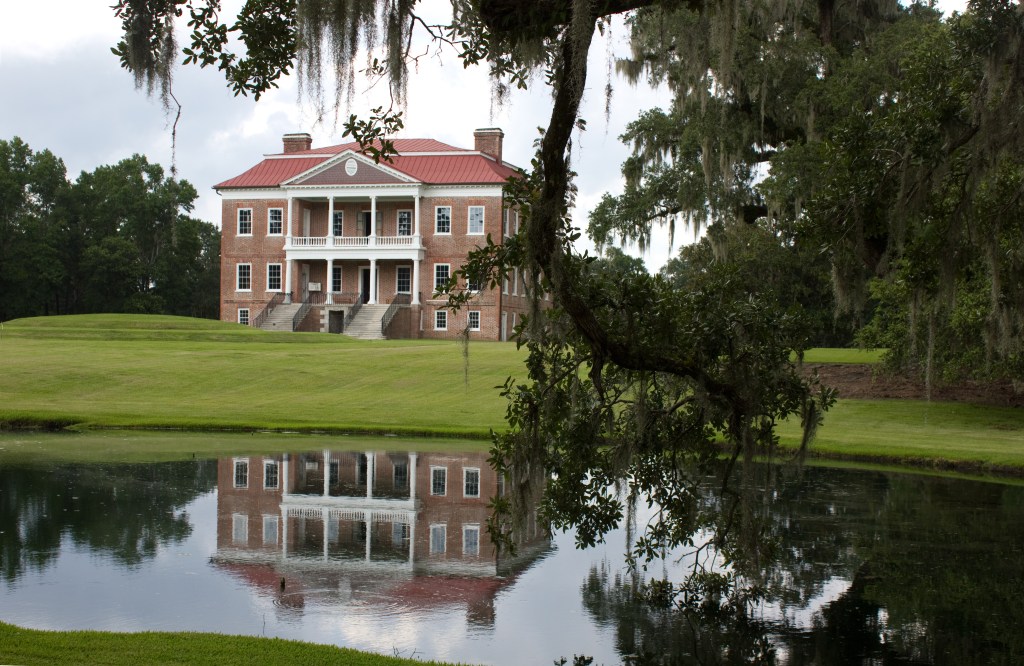
Today we head out to the Magnolia Plantation, and Drayton Hall. Both are historical manors about a half an hour drive from the center of Charleston, and both were built by the Drayton family. Magnolia Plantation also has wonderful gardens featuring a walk through of a bayou, something that I would love to see. Drayton Hall is just down the highway from it, so take precautions when you walk. Be sure to stop for a quiet moment at the slave cemetery near the entrance to the Drayton Hall property. Both homes offer tours with their admission price, so be sure to ask about them when you arrive, or have a look on their website when you book online. Since there aren’t tours that depart from Charleston to these homes, we have to get to these places on our own. We’ll have to call a cab, and I’ve included the price of that in the budget. We’ll likely spend all day, so I would call a few days ahead and pre-book both cab rides.
Thursday April 9th
Today is another full day, with the Frankly Charleston Black History Tour in the morning, where we’ll be told the stories of historical Charleston’s black residents. This tour can range from an hour and a half to just under two hours, and the Tripadvisor reviews tell me that it’s shouldn’t be missed!
We have plenty of time to rest your bones in the afternoon, before giving them a chill after supper. That’s right, it’s time for the ghost tours!
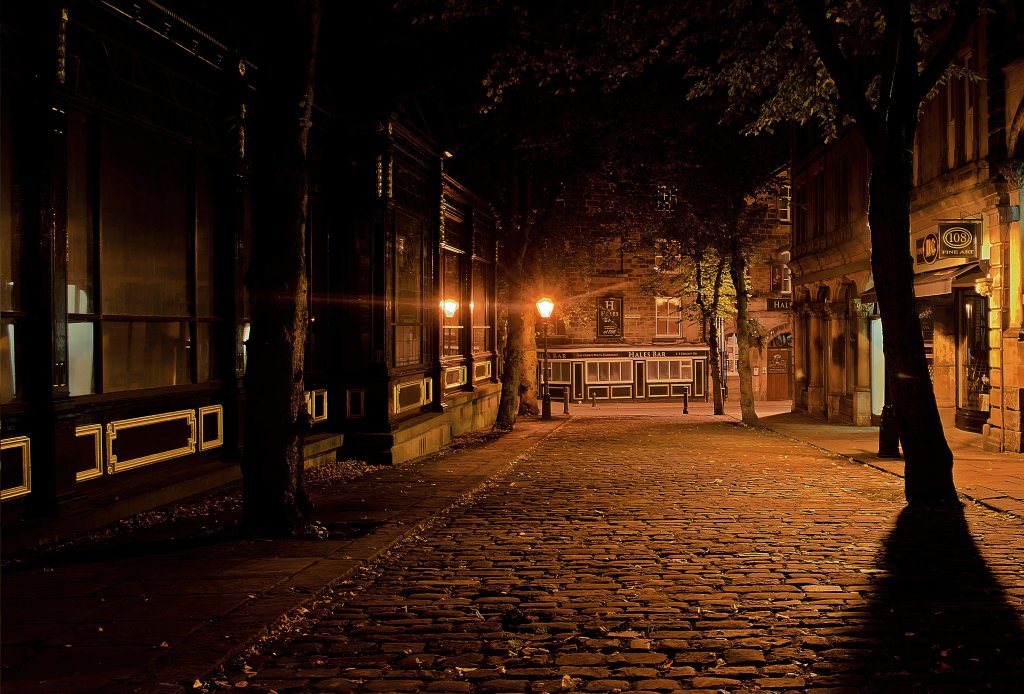
There are tours that start earlier in the evening, but for a spookier ride we’ll go later! It’s about an hour and a half long tour called the Supernatural Walking Tour of Charleston. If you don’t want to get so personal, there are horse drawn ghost tours available.
Friday April 10th
Treat today as your last chance to see what you want to see. If there’s anything you’ve missed, you can catch it today. Our flight leaves at 7:41pm from the Charleston International Airport, and arrives at the Charlotte Douglas International Airport at 9pm. After an hour and a half layover our next plane leaves at 10:26pm, and arrives at 12:37 at the Toronto Pearson International Airport. You’ll arrive home with a full weekend to rest up, get your souvenirs set up, and enjoy the feeling of coming home after an awesome vacation!
Tourist Traps: How to Recognise and Avoid Them
The term tourist trap has a very negative connotation, although whether or not it’s deserved is a matter of opinion. Typically, a tourist trap is a landmark or feature in a town that is over-sold to bring in tourism.
Now, you might feel cheated if you were expecting more than you got, but if the town is so small that they need a tourist trap to keep their business alive, I can hardly say that I blame them.
That said, the term tourist trap can mean different things to different people. For example, the Meteor Crater in Flagstaff. To me, that’s a tourist trap. It’s a hole in the ground that we paid to see. Even the museum devoted to it acknowledged that there were bigger craters out there. To my Dad though, it was a marvel of nature and a wonder of science. I’m sure he’d be more than happy to visit again.
So how do you identify a tourist trap if everyone has a different version of what they could be?
The easiest way is to know yourself. It’s your vacation, and you shouldn’t conform it to what others think it should be. Don’t be wandering miserably around the Louvre if you’d rather be camping in the Australian outback.
“That’s nice and all, Lost,” you might say, “but how do I make sure I don’t fall into my own tourist traps?”
Great question traveler, with another easy solution, though one that does require considerable effort: Research.
Don’t know where to start? Type in the country, town, or region you want to visit into Wikipedia. Find out what that place is known for. Does it interest you? Great! Keep reading, make a list of places you want to see.
If you find yourself bored, move on. Keep searching until you find a place that calls to your soul, and that sparks your imagination. Don’t just settle for “Yeah I could go there…” Keep searching until you find yourself saying “Oooh! That looks amazing!”
I know there are people who revel in spur of the moment trips, but I am not one of them. I have limited time and resources, so every moment of research I put into a trip translates directly to moments of happiness during my vacation. As if that wasn’t enough incentive, research also turns into money saved. Why pay for something that doesn’t interest you, right?
Once you’ve found an attraction or activity that you think you’d like, do your research before planning and booking. Go the attraction’s web-page, to TripAdvisor, and head to google to read some reviews.

What I look for in particular are the ratio of stars and reviews. Having five stars is great but if there are only two reviews that’s hardly qualifying. Five stars with over two thousand reviews though, that says quite a bit more. I also go out of my way to read the bad reviews.
If there are one or two complaints about staff members, a few about bad weather, or even a couple about something not being up to a person’s expectations, that’s something that won’t bother me too much. If the complaints are over a year old it might not bother me at all.
What sends up red flags are multiple complaints about the same things, especially if they’re recent. This applies to all reviews: attractions, hotels, products, anything.
It’s really as easy as that. It can be a bit tedious, making sure that everything you want to see is up to your standard, but take it from me that the reward is well worth it.
Are there any instances where reading the reviews saved you a world of hurt before a trip? Let me know in the comments!
Queenstown Nevis Bungy
Want a ride on the wild side? Head to Aotearoa, the Land of the Long White Cloude, and Say Kia Ora to the Nevis Bungy!
I went to New Zealand almost a decade ago and I would run back in a heartbeat if given the chance. In fact, I would run right to the south island, and into to AJ Hacketts in Queenstown.
You’ve got a few choices of bungy, the Kawarau jump is pictured below, as well as a swing, a zip-line, and a catapult. I went for was the Nevis, the highest jump available in New Zealand. Go big or go home, right?
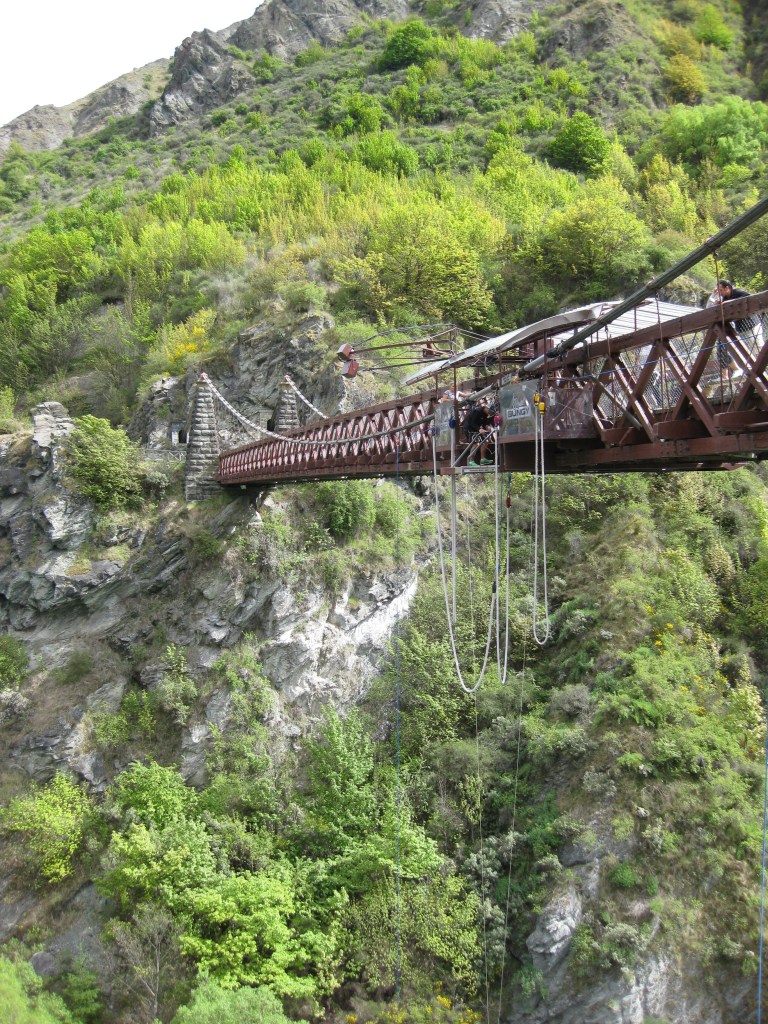
With a bit of a macabre sense of humour and a friendly attitude, AJ Hackett is a great place to have your first experience with bungy jumping. They tell you up front, before you pay or sign anything, that they will not bully you into jumping, but if you get to the platform and don’t jump you’ll pay an extra $200 to walk away. They also make sure not to rush you when you’re reading and signing their waver, something I very much appreciated. Once you’re all done reading and signing, they slap down a piece of paper in the shape of a toe tag and ask you to sign your name, and provide a phone number and name for your next of kin.
Relax, you’ll be fine. Just don’t do what I did and call your parents the day before, telling them you’re going bungy jumping and that you just wanted to say you loved them in case something went wrong. Sorry Mom! Sorry Dad!
Be at the shop at the agreed time, and they’ll take care of the rest. A van will take you up into the mountains with the rest of the people you’ll be jumping with. Sit back, enjoy the view. When you get to the top, have a look around. For the Lord of the Rings fans, you’re about to bungy jump in the Misty Mountains. How much cooler could that possibly get!? For the rest of you non-LOTR-nerds, the scenery is beautiful irregardless.

There are lockers for your things, just take an elastic so you can wrap your key around your wrist when you jump.
You’ll get to the Nevis via a little cable cart, because this bungy isn’t on a bridge, but a platform strung between two mountain peaks. While you wait for it, you can watch the others jump. I remember watching one man scream as he went off the edge. I promised myself I wouldn’t. The same poor guy didn’t manage to pull the release at his feet, so that he could swing himself upright after the bungee had settled. They had to pull him up by his feet, poor thing!
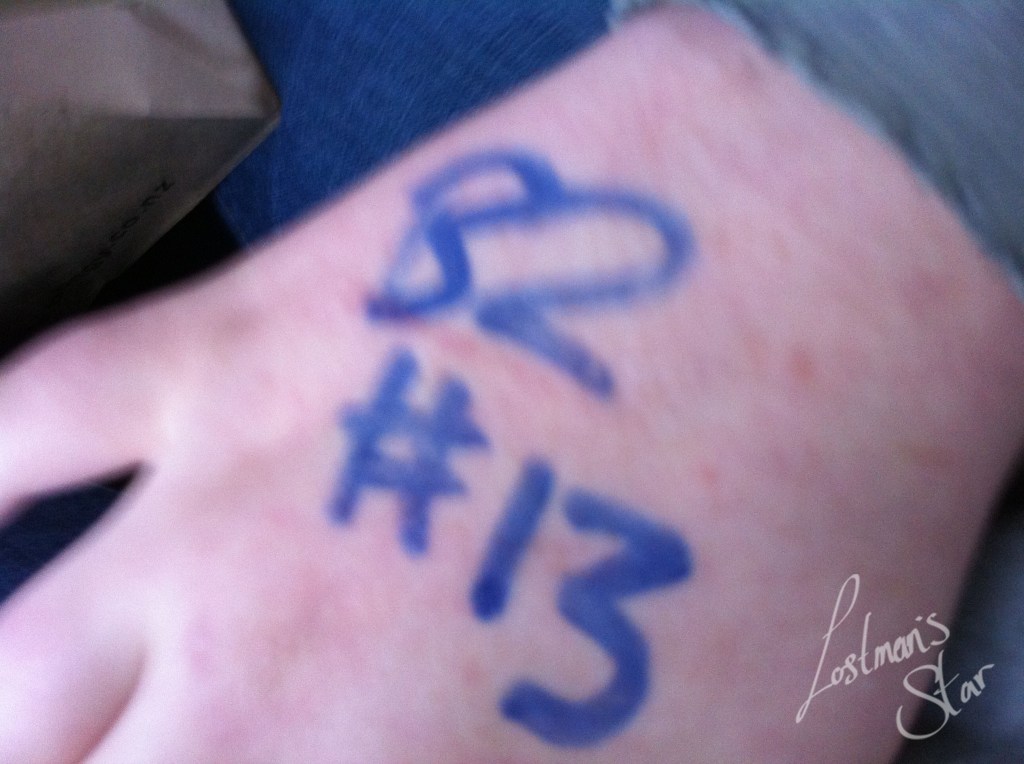
If they haven’t already, they’ll then explain to you what the number they wrote on your hand means. The heaviest person goes first. I should know, I was heaviest!
On the other bungies you can choose how to jump, back flip off the edge, running jump, whatever you want, but on the Nevis you have to swan dive. They’ll get you into what feels like a dentist chair, and strap you with what feels like ankle weights, and explain what you have to do during your jump.
They’ll tell you that they’ll count backwards from five, and to jump on one. I jumped on three.
I thought I was going to die.
I screamed.
Then, when I felt the bungy beginning to stretch and slow my fall, the most amazing sensation washed over me.
Psychologically, I know exactly what it was; a rush of endorphins, my brain was going into overdrive after thinking that my life was forfeit. That description just doesn’t do it justice. It doesn’t feel like relief. It feels like falling into peace. I had never felt so good before, nor have I since. It was an experience I’ll never forget.
If you do jump, they’ll give you a certificate and a shirt to celebrate your accomplishment, as if being able to say that you went bungy jumping in the Misty Mountains and that it was the highest jump in New Zealand isn’t enough.
It’s an amazing experience, and I have exactly zero regrets about doing it.

Are there any extreme sports you’ve tried on trips that have turned out amazing? Let me know in the comments!
The 10 Best Things About Travelling with Friends
I can happily say I have no shortage of friendships, and I’m not talking about 400 some Facebook friends that I never hear from, I’m talking about real, meaningful connections. I’ve even been blessed enough to be able to travel with a few of them. Be it road-trips, international vacations, or just to the corner store, these are some of the things I love about travelling with my friends.
#1: Protection
There’s safety in numbers! Group travel, especially with people you trust, is one of the best ways to keep yourself safe. Whether it’s at a bar, walking at night, or just out and about enjoying yourselves, it feels good knowing that someone has your back, and that you have theirs.

#2: Crying of Laughter
One of the greatest treasures in my life is my cousin, Arrow. She is my cousin bestie, and when I’m travelling with her we end up laughing so hard we cry. Of all the feelings I’ve ever experienced, that one is the best.
#3: Sharing Photos and Pokemon
Most of the people I travel with seem to be better photographers than I am, and fortunately they’ve also been willing to share said photos. Forest and Arrow especially seem to have a gift for it. During my trip to Germany with Forest, we also caught Pokemon while we wandered Munich, and spent our evenings sorting and trading. It was a great way to unwind and rest after a long day of exploration.
#4: Candid Photos
Try asking a stranger to provide the exact right lighting, fix your hair, and get that perfect travel-blog worthy candid shot of you on your latest trip, and see how they react. Not favourably, I imagine. Ask a friend and they’ll make sure you look so fabulous you could be a model. Of course, you’ll do the same for them when the time comes!
#5: Self-Protection
However harsh it can be, I am appreciative that my friends are very much the sort that will tell me when I’m in the wrong. When traveling especially, it’s handy to have someone who isn’t afraid to say that they think you’re going the wrong way on the tube, or that you’ve left your backpack in the restaurant.
#6: Emotional Support
Sometimes things can go terribly wrong during a trip, and it’s good to have at least one cool head in the group to talk the others down from their panic, or give them the emotional boost needed to get through a tricky situation.
#7: Different Skill Sets
It’s great when the people you travel with have skill sets that compliment your own. When Arrow and I went to Paris, I spoke French and got us around while she took amazing photographs, and kept me on a practical schedule and budget.
#8: Splitting Costs
The costs of hotels, and even sometimes meals can be split between two or more people, which is always nice when you’re trying to save a bit of money for other things like tours or souvenirs.
#9: Luggage Help
If your friend doesn’t have enough room for their stuff in their bag, you can always have them put it in yours. Likewise, if you don’t have that much stuff you can put everything in one suitcase and split the cost of the baggage fee. It saves a lot of hassle and worrying.
#10: Sharing Memories
Sharing experiences and creating memories with the people you love is something I will always treasure. It’s one of the best parts of friendship, and it only gets better when it happens during a trip!
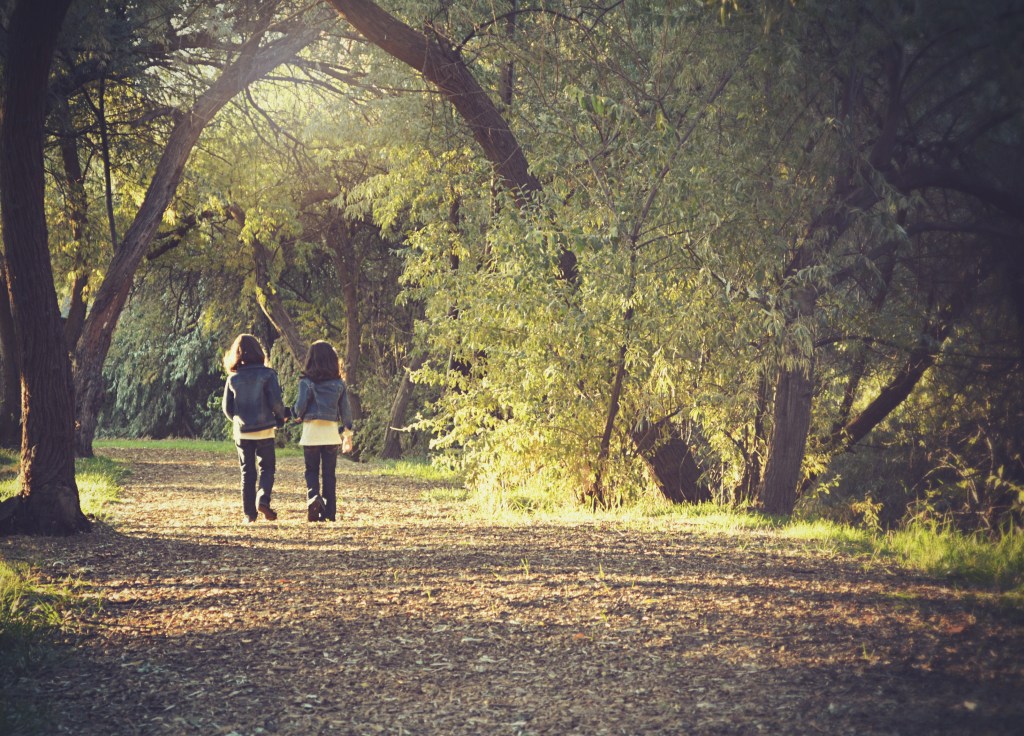
There are a lot of great things about taking a trip with friends, but there are some awesome things about traveling by yourself as well, so be sure to check out my next post about solo travel when it’s published! What are the things you enjoy about travelling with friends and loved ones? Let me know in the comments!
The Grand Canyon
My first impression of the Grand Canyon was that it was a sly, cheeky sort of entity. When my family and I were driven in, the terrain was so flat that I could have sworn we were in back in Canada, driving in Saskatchewan. The sort of flat that lets you see something coming from three days away.
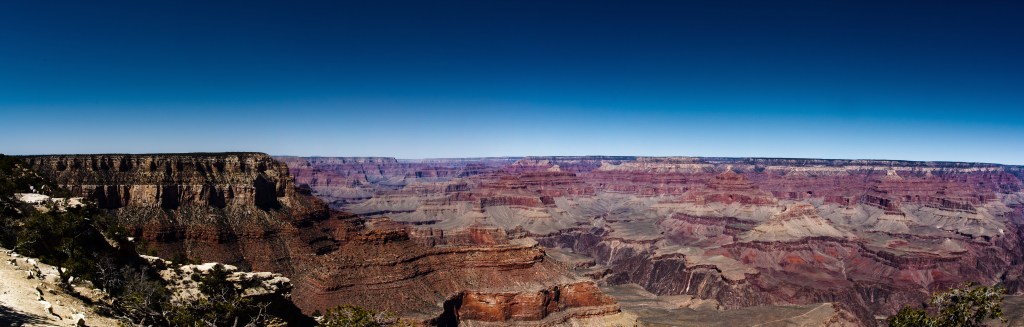
The canyon seemed to appear out of nowhere, dropping off violently into sheer cliff faces only when we were close enough to be in real danger of falling in. I maintain that if we had driven in ourselves or at night, we would have driven right in!
Once you take in the scenery though, you come to realise it was because you didn’t know what you were looking for. Subtle distinctions in rock faces, that perhaps in dusks’ low light your eyes didn’t manage to capture.
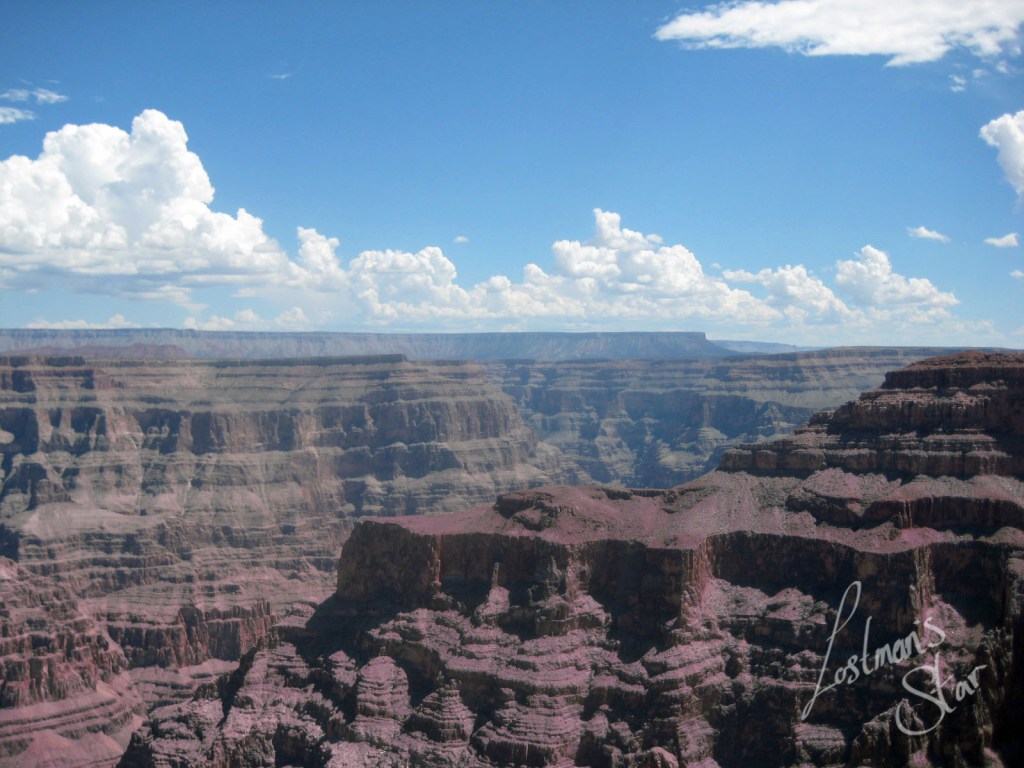
This is one place you don’t want to forget your camera, especially if, like we did, you plan on staying overnight. You’ll get amazing shots everywhere you go, and don’t forget to check out the sky bridge, where you can look straight down through the glass floor to the bottom of the canyon!
It’s been more than a decade since I’ve been there, so my memory of it is a bit fuzzy, but there was one moment there that made it truly magical.
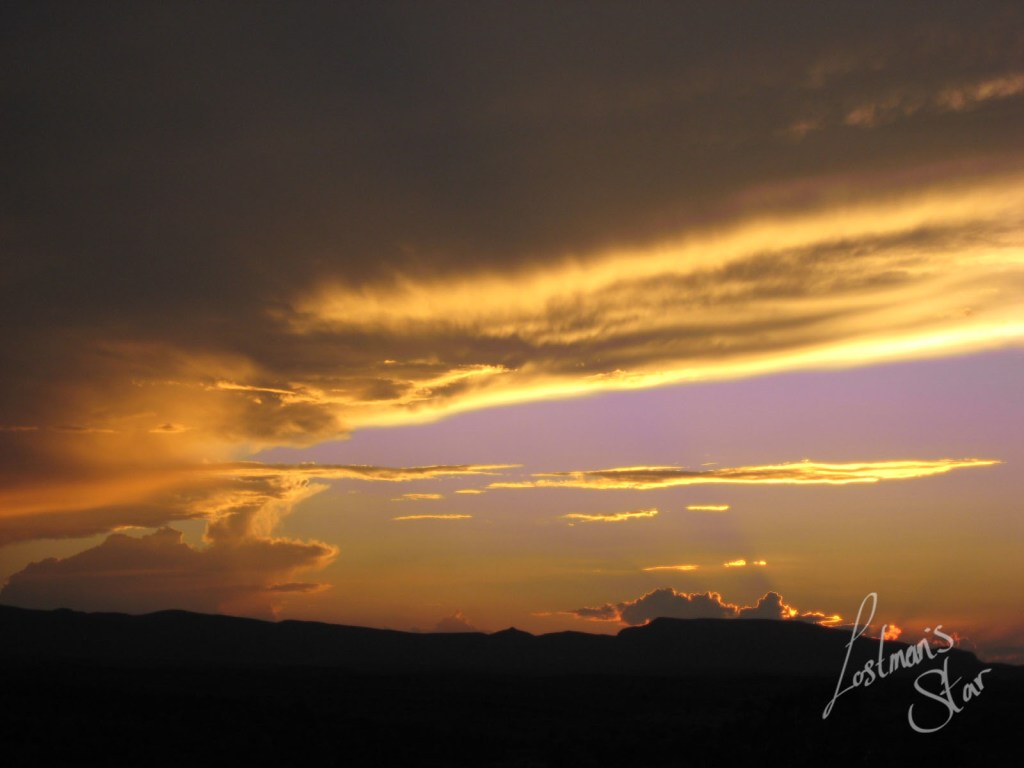
A small group of tourists, my family, and I were standing near the edge of the canyon where the sky bridge is located, admiring a glowing sunset. It was so beautiful, and most of us were looking in that direction when Dad had the wisdom to look over his shoulder to see what was behind us. There, rising over the canyon itself, the moon in all it’s pallid splendor was going ignored.

Dad, also a better photographer than me, began taking shots, and soon I began to hear the gasps of the other tourists as they realised what had been behind us all along. It was an easily learned lesson; look behind you, you never know what’s hiding there!
That wasn’t the magical moment, though. That came when my Dad noticed another tourist who had set up a tripod and was taking pictures of the sunset. We assumed he didn’t speak English, or he would have heard us fawning over the moon, so knowing that he would miss a good shot, Dad tapped him on the shoulder and pointed behind him. The man looked awestruck, seemed to thanked my Dad, and began to rearrange his tripod.
Sunset or Moonrise, you can decide for yourself which you prefer, but for me the true moment of beauty was how happy the man looked when Dad showed him the moon.
Are there any moments of kindness you’ve encountered in your travels? Let me know in the comments!
5 Things Canada Does Which England Might Want To Consider
I love Canada, and I love England, too. I’ve been blessed to live in both, and have had some wonderful experiences in each. That said, much like my previous post about things that I love about England, there are things that I found myself wishing were more like Canada while I lived there. I recognise that that’s why we travel, to get away from the things that are like home, but I do think England could benefit from these few things.
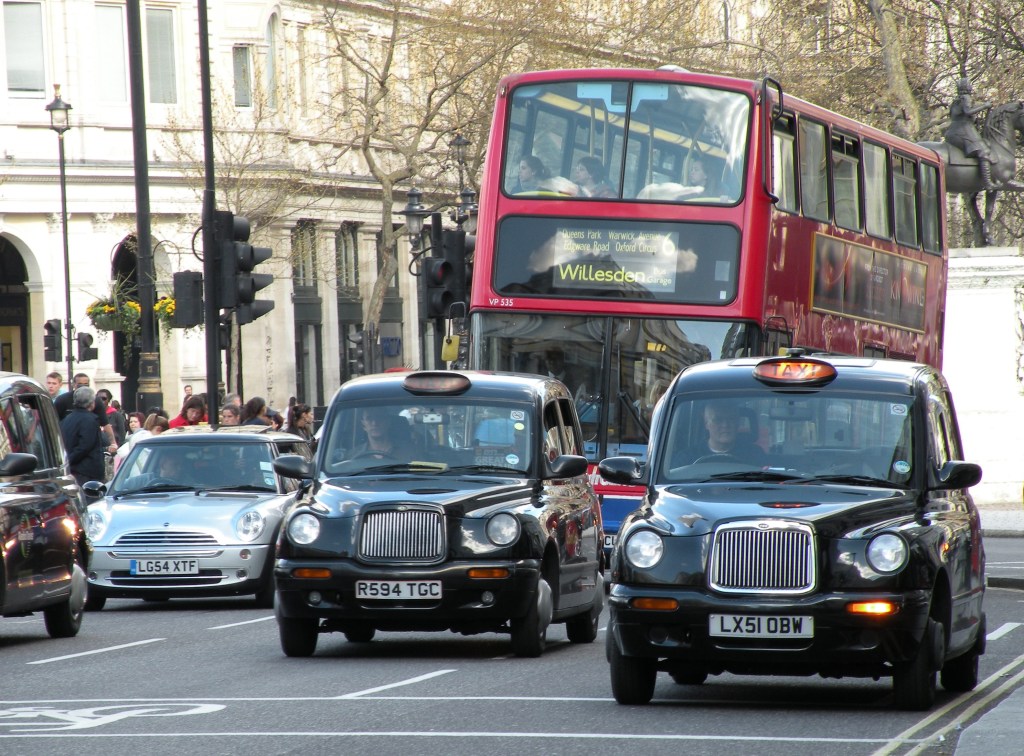
#1: Waiting for Cabs
This is the single thing that really got my goat about living in England. In Canada when you order a cab, you’ll be given a time frame. You might have to wait twenty minutes, even an hour if they’re busy, but if you’re willing to wait they will send the cab. In England, if the wait was longer than fifteen minutes, there wasn’t a cab within a certain radius, you called from a bar, or from a movie theater, the company wouldn’t even bother sending a cab. It’s anxiety inducing, especially when you’re a four hour walk from home and your phone is dying! True story!
#2: Weatherproofing Buildings
I do understand that in an age of climate change, buildings that were constructed in the early sixteenth century just won’t hold up against snow or heat. That said, several buildings on my local high street flooded after a rain storm that as far as I could tell, wasn’t out of the ordinary for England. A good bit of weatherproofing would save those buildings for generations to come.
#3: Combined Faucets
There are still a lot of faucets in England which have two separate taps for hot and cold water. It might seem cute and historical but I can’t recall a single time I haven’t burned myself trying to wash my hands using those taps. For all the safety measures that I see in England, combining the taps so that the water doesn’t scald the user seems like a no-brainer.

#4: Women’s Shoe Sizes Above 9
I went shoe shopping only once while I was in England. I wanted something cute to go with a dress I recently bought, and upon asking for a ten or eleven in a particularly nice pair of heels I was expecting to be told that they did not have my size. I’m used to it; in Canada cute heels that fit me are hard to find. The person helping me gave me a bemused look and asked, “In men’s?” Confused, I clarified. “No,” I said, “I mean do you have a size ten in this set of heels?” I was then informed that women’s shoe sizes stopped at nine in the UK, and any sizes above that would be in the men’s section. I have struggled with my femininity and size most of my life, so being told that an entire bloc of countries considered my feet literally too unladylike to exist was a bit disheartening.

#5: Dealing With Snow Appropriately
I was living in England during the storm they called the Beast from the East, and I can tell you first hand, most of the problems don’t come from the snow. They come from people freaking out about the snow. I’ll be making a post about this experience later, but in brief there were a lot of English people who did not know the first thing about driving in the snow, and who should not have attempted it. There were a lot of near misses, and a lot of accidents. There were also a shocking amount of people who decided to stock up on bread during the storm, rather than perhaps canned goods or bottled water before hand.
Despite all these things, I definitely love England, it was a great place to live and I’m lucky to have done so, and to balance this out be sure to check out my previous post: 5 Things England Does Which Canada Might Want to Consider!
 Lostman's Star