Lostman's Star
Not all those who wander are lost, but I certainly am!
Schloss Nymphenburg: Printzgarten

This building goes by many names. On google maps and the sign in front it’s called the Prinzengarten. Sometimes it is called the Kronprinzengarten, or Ludwigsgarten. It was built for Ludwig I, very near to the Amalienburg, a home which had been built years before for a wife of the emperor of the Holy Roman Empire.

Although it is not directly stated, it is inferred that the Prinzengarten is a child’s playhouse. It is the Princes’ Garden, if translated literally. You cannot go inside from my knowledge, but from the outside it can be observed that the two story building with a patio at the back is made up of wood, though has been painted to look like a stone building, complete with both false windows and working ones. It is surrounded by open fields in which a child could play, as well as a little brook and bridge at the back of the house.
It’s of little significance in terms of historical value, it’s merely a playhouse built for the children of Nymphenburg. So why include something so small and unknown in the posts about November in Nymphenburg?
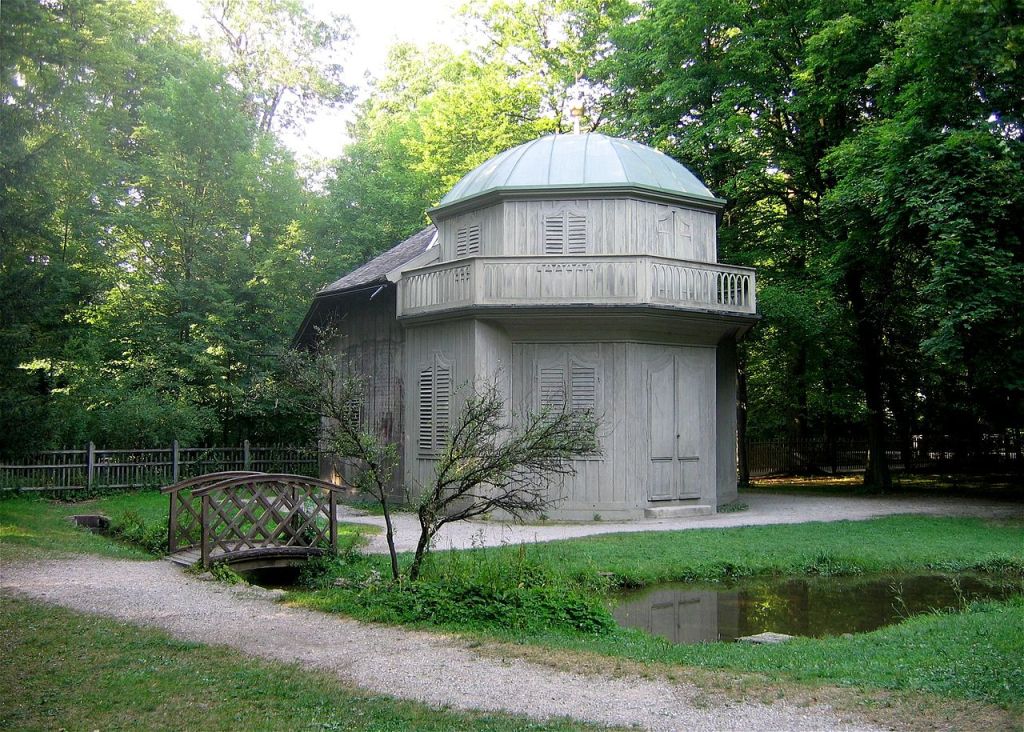
Upon seeing this building my immediate thought was that if one were to add a fireplace and some insulation this child’s plaything could easily be, not just habitable, but thrivable. The grounds around it are spacious enough for a significant vegetable patch, a chicken coop, and maybe even some grazing room for a goat. The pond, which is fed by the nearby canal, might even be used to raise small fish.
How can a leader be trusted if they liken the lives of their countrymen to childsplay?
Schloss Nymphenburg: Carriage Museum

Once more, all of these pictures were taken by Forest! She and I decided to go to Carriage Museum first, before heading out to the gardens. The exit of the museum leads almost directly to the path one would take to go to the Amalienburg, which was where we wanted to go next.
The Carriage Museum is a testament to the fact that people haven’t really changed, really, over any sort of time. For the most part, humans have always been the same. One doesn’t buy a fancy home only to have a beat up old car. Fancy house, fancy car. The same applies to ye ol’ days in the 16th and 17th century. And boy are these cars fancy!

The carriage museum has two distinct levels, the first one being rather more aptly named. It displays the methods of transportation used by the royal families. The museum is located where the stables once stood, so it’s a rather fitting area to show these pieces.
The carriages displayed are of various ornateness, some being almost plain while others are very much in keeping with the Rococo extravagance of the main palace. The same follows for the sleighs, some of which seem very light and able to be pulled by one horse, others it seems required a team of four to six horses to pull due to the sheer weight. On the macabre side, there are also horses to be found. Royalty may be rich but they aren’t immortal!

The humans weren’t the only ones fitted with grandeur, the horses too had golden and finely detailed bridles, saddles, and blankets, and pictures of the favorites were painted and are now hung upon the wall in various scenes of rest and hunt.
On the upper level there is what I would say is a secondary museum, this one dedicated to the porcelain which was produced within the palace walls. The pieces include sculptures of all shapes and sizes as well as more useful items such as tea services.

When you’re done, head outside and you’ll be on the path for the next stop; the Amalienburg. But first!
The Prinzengarten.
Schloss Nymphenburg: Main Palace

Full credit where credit is due, all of these photos were taken by the Fairy Tale Queen herself, my dear friend Forest!
Onward to the exploration!
When you arrive you are greeted with a canal which forms sort of a ‘grand mall’ entrance, with streets running on either side. These culminate into a semicircle with a pond in the middle and the palace set in the distance. If you came in via a hop-on-hop-off bus, you’ll be dropped off in this semi circle, greeted, in all likelihood, with a pond full of ducks, geese, seagulls, pigeons and swans.

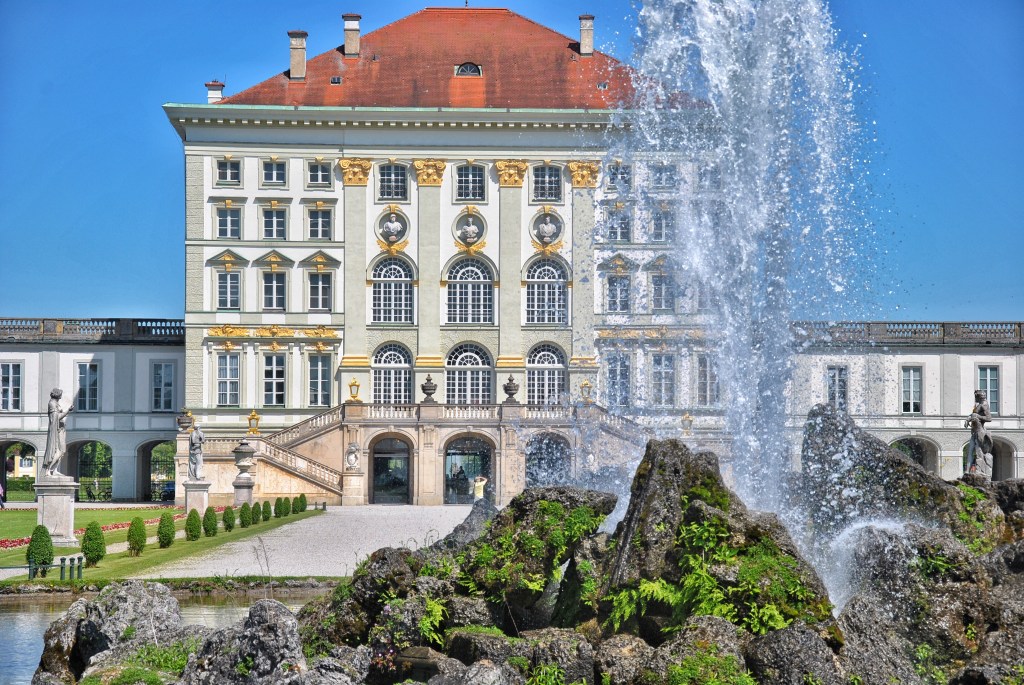
I must admit, compared to the golden tones of Versailles, this palace can look rather dull with it’s white and grey exterior. Don’t let that fool you! Head towards the center building where you can purchase your ticket if you haven’t already. The staff member at the desk will direct you from there. If memory serves me you can climb up the two stone staircases at the front of the building. Once upon a time this might have been your entrance, if you were a peer in Germanic society, but today the main entrance is underneath the stairs. It’s a nice view point of the front pond, though!
If you’ve chosen to see the main palace and not just the grounds, you’re in for a fantastic treat. head upstairs to the main ballroom. Look up!
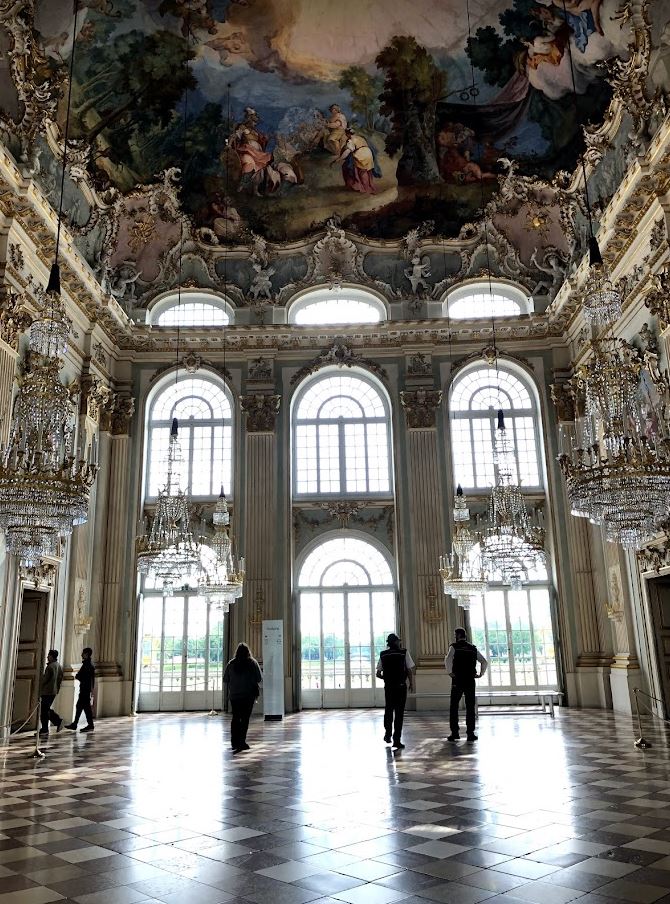
The outside of the building looks suspiciously dull, but inside is more along the lines of childhood dreams of what fairy tale palaces should look like. This is called a Rococo style, which was developed in the late Baroque period, and was a very popular style among European palaces. Take a moment to drink this ballroom in. I can imagine it on a cool, moonlit night, the doors flung open to allow the heat out from all of the guests. Candles flickering in shimmering chandeliers, gossip being exchanged, bargains being struck. All of this of course is a romanticism, but it’s nice to be able to live in that fairytale world, even for just a moment.
You’ll be directed in three ways, upstairs, which features the balcony and a music room, or to the wings of the palaces, rooms 2-9, and 10-20. Either way you’ll need to come back to the Grand Hall to go out into the gardens, so it doesn’t matter which path you choose first.

Rooms 2-9 represent the northern wing. Here you’ll find mainly anterooms and the portraits of Munich’s ‘Great Gallery of Beauties’. These are a series of five paintings from the mid 1700s representing the most beautiful women in the royal court at the time. This is not to be confused with the ‘Gallery of Beauties’ which is in the south wing, and is a series of nearly thirty paintings of women from all walks of life which was added in the early 1800s. This south wing also comprises of the Queen’s apartments, which includes a drawing room, an audience room, and her bedchamber.
When you’re ready, you can head outside to the gardens or to the carriage museum.
November in Nymphenburg: Introduction

Welcome to November! Is it just me or has this year gone by super fast? Hopefully the day we can travel as we please again is hurtling towards us at the same speed, but until that time, let me introduce Schloss Nymphenburg. I’ll be doing a whole month on it’s various buildings and gardens, so this is very much a brief intro to get the whole ‘bring good walking shoes!’ bit out of the way.
This Palace is found on what was once the outskirts of Munich and was, at the beginning of it’s life in 1664, a hunting lodge which was gradually expanded by various families over the years. Outbuildings were added, and eventually the palace was engulfed by the city of Munich. It’s a testament to how lush and broad the grounds are that it is, like Versailles, very quiet, and one would hardly think oneself near the heart of a world class metropolis.
While exploring Nymphenburg I recommend bringing a camera, and a backpack with water bottles and a few snacks. These can’t be taken into museum rooms but you can have them out on the grounds, just be sure to clean up after yourself. There are also no lockers available because of Covid, but perhaps when the pandemic is officially pronounced over they will be available again. Depending on if you just want to see the gardens or if you want to go inside the main palace and the carriage museum the price of your ticket may change, however the highest rate is only €8 euro, which is roughly $16 CAD. To my mind, that’s a fair price. If you have an international data plan on your phone or you have a European sim card you can download the Nymphenburg Park app free on your phone.
Forest and I had purchased a Hop-On-Hop-Off Bus tour for our trip to Munich, so we chose to use it as transportation to and from Nymphenburg. It took us most of the day to go through it, so I recommend going as soon as the palace opens. It’s a large place, and you’ll need a good portion of your day to make the full tour of the grounds. I recommend doing so, especially if you have a friend as wonderful as Forest to keep you company. The front office will give you a map, and there are signs posted as to where each trail leads, so you needen’t worry about getting lost. Take the map, mark it up as you please, and get to exploring!
Wear a mask, wash your hands, and stay safe gentle reader.
Bridge of Sighs
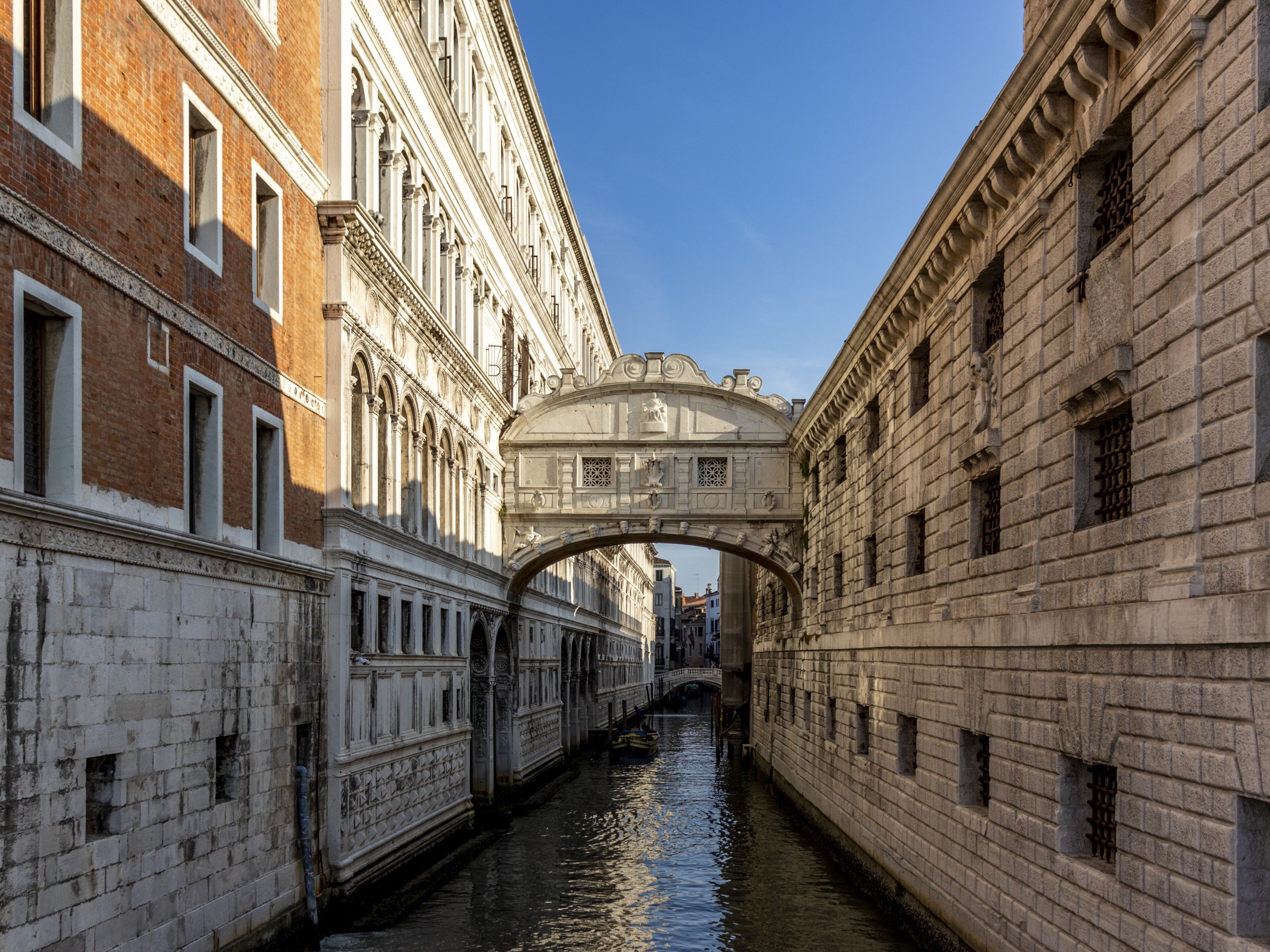
You’ll no doubt have seen the Bridge of Sighs, even if you don’t know it’s name. It’s one of the most iconic landmarks in Venice, and one with a rather darker history than one might expect. Let me tell you, this bridge is aptly named.
To access this bridge you have only one option, which is to go into the museum of the Doge’s Palace. If you’re unsure where to find his palace, it’s right beside San Marco’s Basilica. If you’re facing the main church doors, look to your right. That’s the place! The Doge was the ruler of the Venetian city state during the Renaissance era, and the Bridge of Sighs connects his palace directly to the prison across the Rio di Palazzo canal. As ruler it was the Doge’s duty to dispense justice, and so anyone found guilty of a crime would be led directly from the courtroom in the palace, across the bridge to the prison where they might be crammed into a cell with already had far too many occupants.

The contrast is a stark one. The Doge’s Palace is one of grandeur, learning, and elegance. To this day the prison feels stuffy, claustrophobic, and I can remember being able to smell the faint, lingering remains of what must have been a horrific stench. I must state here, dear reader, that the prison itself and the palace are now both kept clean as they are part of a museum.
Legends state that The Bridge of Sighs was named because prisoners would sigh before being led to their execution, but this practice had stopped well before the bridge was built. Rather, think of this bridge as a convict’s last look at Venice, and freedom, before they were imprisoned. From personal experience I can say that, whether it was because of a need for fresh air or otherwise, despite having been just a visitor I did feel a need to sigh!
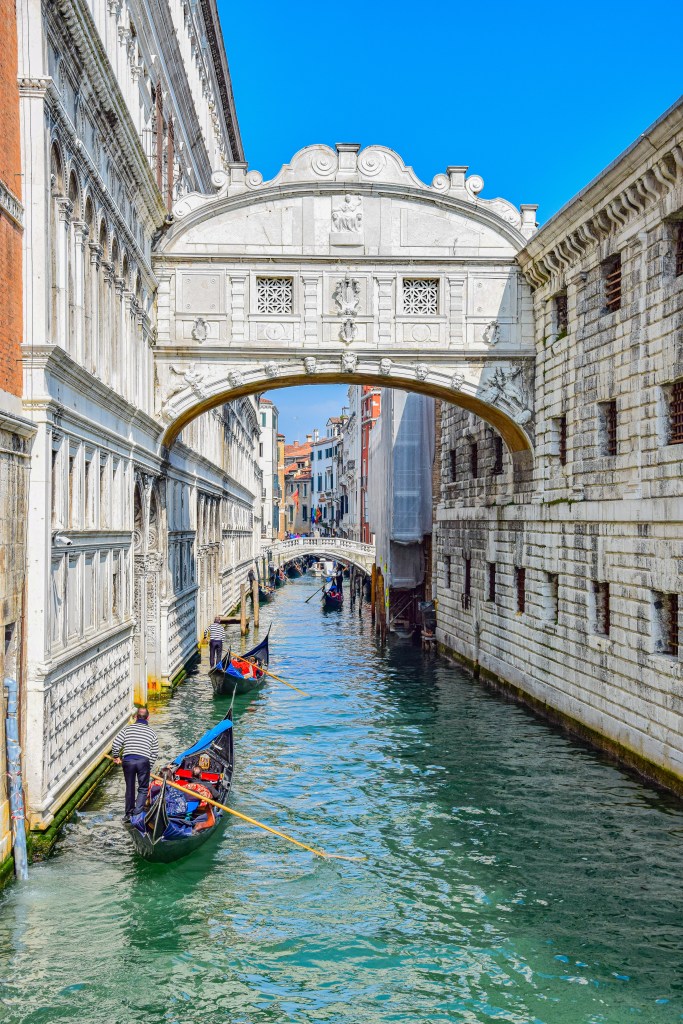
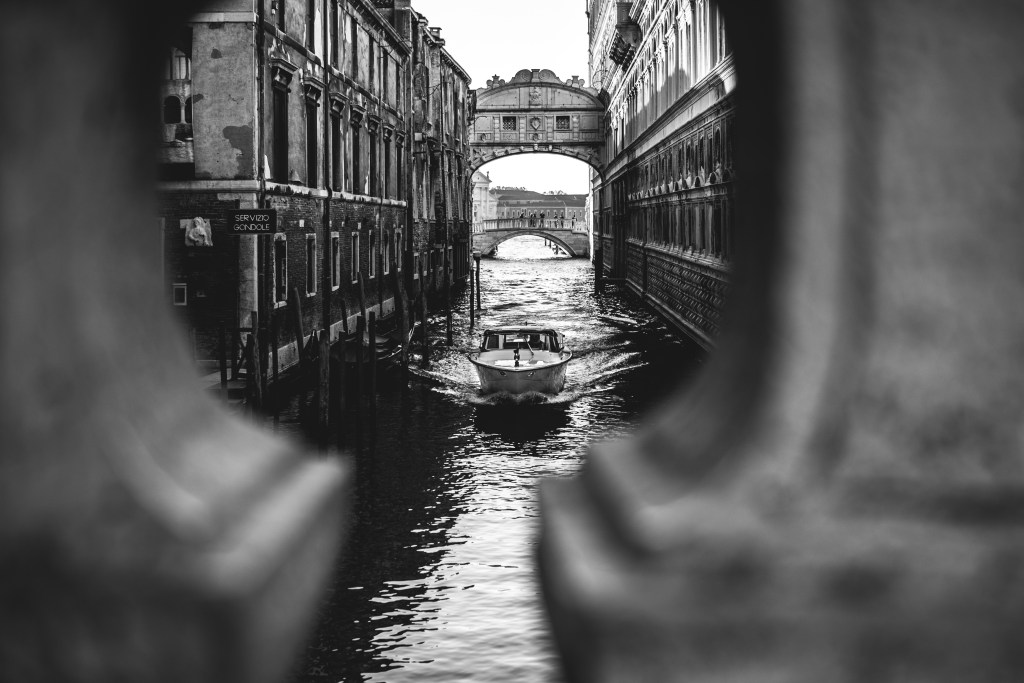
Venice is a very popular tourist destination, and with Covid having an impact on how many people can be let anywhere in a specific day, it’s best to book your visit ahead. The only way to see the bridge from the inside is by taking a tour of the Doge’s Palace. I highly recommend this route, but there are also other ways to experience this bridge. It’s actually supposed to be one of the more romantic spots in Venice, and I suppose if you didn’t know the history, it can make for a rather pretty covered bridge. You can see the Bridge of Sighs via three other methods. The first being along the Riva degli Schiavoni. If you’re facing the pillars of San Marco’s Square, with the lagoon behind you, this bridge is the first you will encounter to your right. Look down the canal, and you’ll see a white limestone bridge. That’s her! The next place is along the Rughetta di Apollonia. You’ll have to wander further into Venice to find this one, but it will bring you, in essence, behind the basilica. From this bridge you can have the view of the Bridge of Sighs with the lagoon in the background. The third way is the best way, in my opinion. Take a gondola down the Rio di Palazzo! They can be expensive, so make sure you save up specifically for this part of your trip. You can find Gondola services just before the entrance to San Marco’s square, near the twin pillars.
If you’re only exploring Venice for the day, I suggest bringing some snacks and a few water bottles so you only have to stop for lunch. Get the most of your day! If you’re staying within the city, those aren’t really necessary. There are small cafes everywhere around Venice, you’d be hard pressed to find a series of more than two streets without some form of food vendor. Bring good walking shoes, you’ll be on your feet all day exploring. A sunhat and sunscreen would also not go amiss. If you can, get a phone case which attaches to your wrist. This will prevent thieves from grabbing your phone, and prevent you from dropping it into the canal.
Wash your hands, wear a mask, and stay safe gentle readers.
10 Attractions to See at Night

If you’re brave, or in a safe city, there are some awesome things around the world to be seen at night. Let’s go!
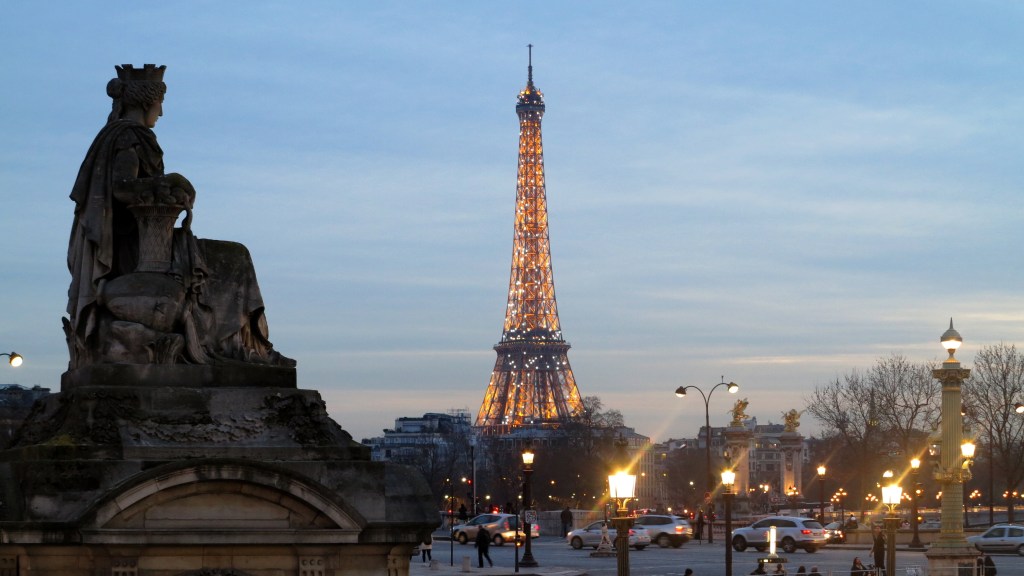
#1. The Eiffel Tower, France
The Eiffel Tower is not only lit up at night, it cycles through a few different variations, including one which sparkles in a way that is utterly enchanting.
#2. Rochester, England
Start at the castle, and make your way down the high street. It’s best to do a pub crawl. The light and atmosphere, especially during Sweeps, is like no other.

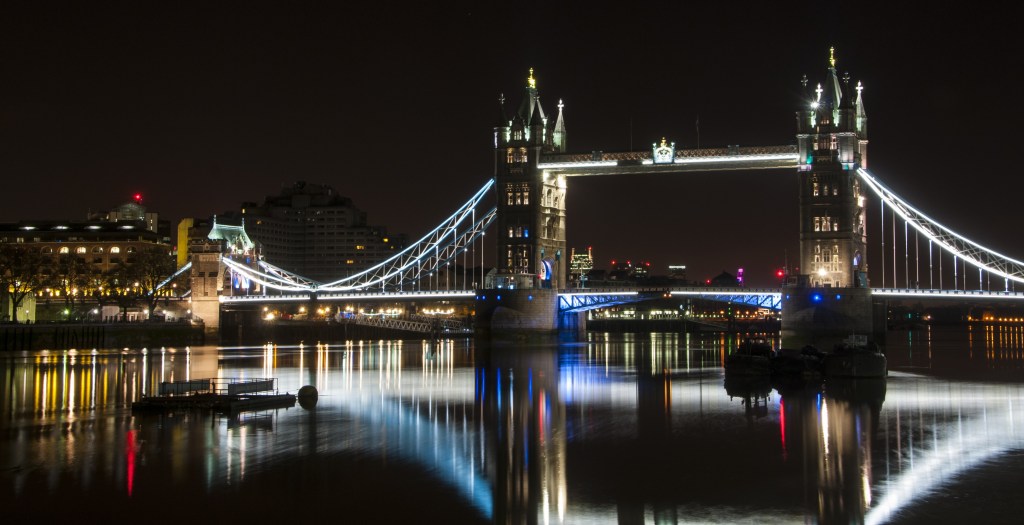
#3. London, England
London is a beautiful city of light. Personally I prefer Trafalgar Square and the West End at night.
#4. Niagara Falls, Ontario, Canada
At night, the water of Niagara Falls is lit up with multicoloured lights. You can see it either from the side of the falls, or from the Maid of the Mist.

#5. Northern and Southern Lights
Anywhere around the poles is a great place to see these amazing lights. Canada, Norway, and Sweden are great places to view the Aurora Borealis, the Northern Lights, while you can see the Aurora Australis, the Southern Lights, in Tasmania or New Zealand.

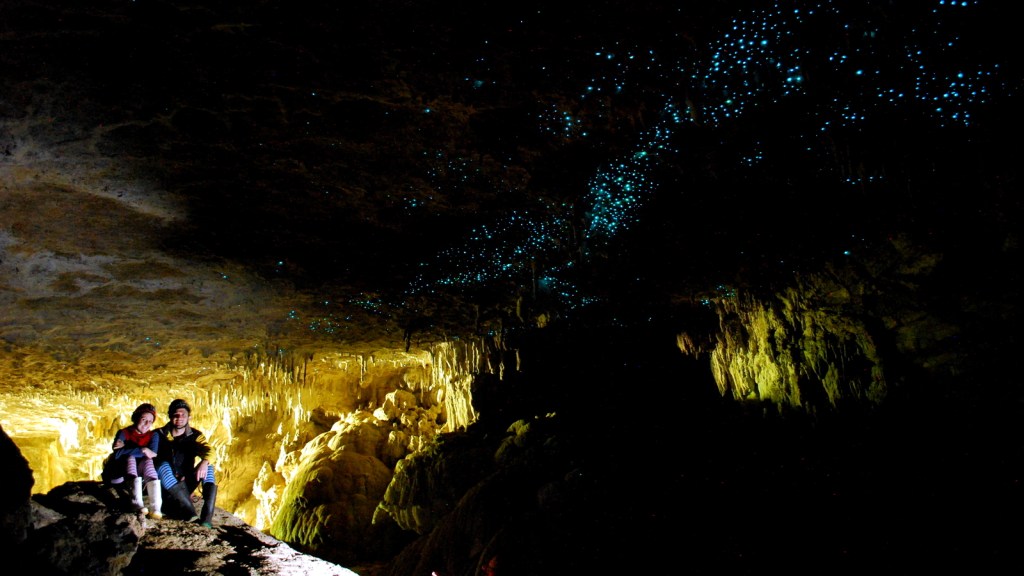
#6. Glow Worm Caves, Waitomo, New Zealand.
Not necessarily a night time venture but definitely an adventure for the dark. Go for the glowworms.
#7. Edinburgh Royal Mile, Scotland
Lined with shops and pubs, the Royal Mile is somewhere I would love to take another walk along, especially lit up at night.

#8. The Las Vegas Strip
The hotels on the Las Vegas strip are made for the night life. They’re lit up not just with light but water, shows, and all sorts of other attractions.

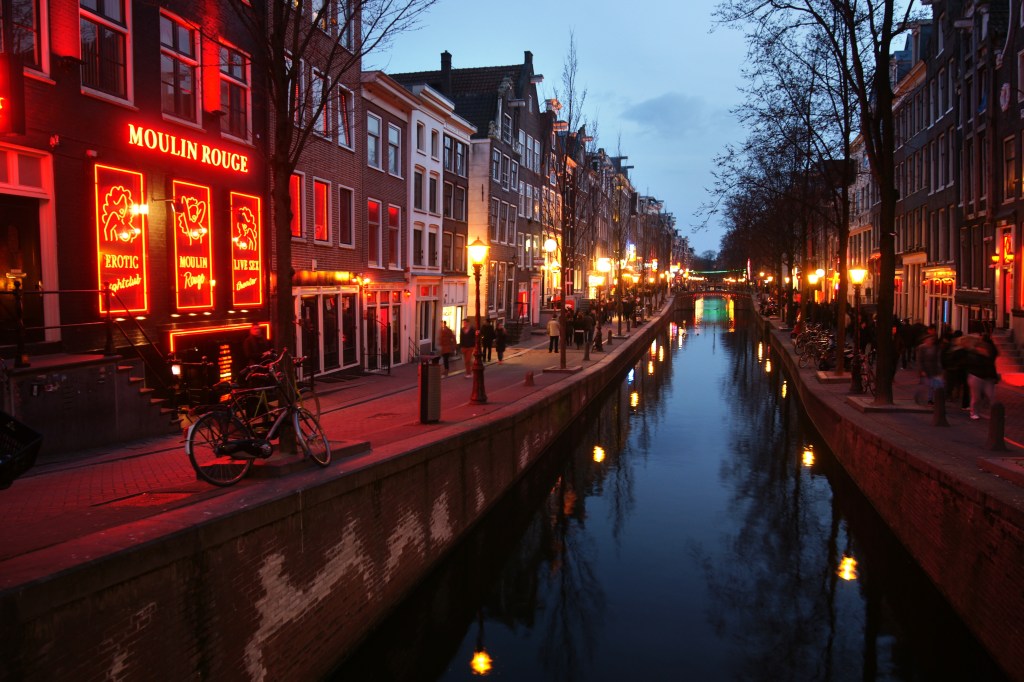
#9. The Red Light District in Amsterdam
Obviously this is an 18+ sort of visit, but the lights on the canal water is very pretty, and the atmosphere is jovial.
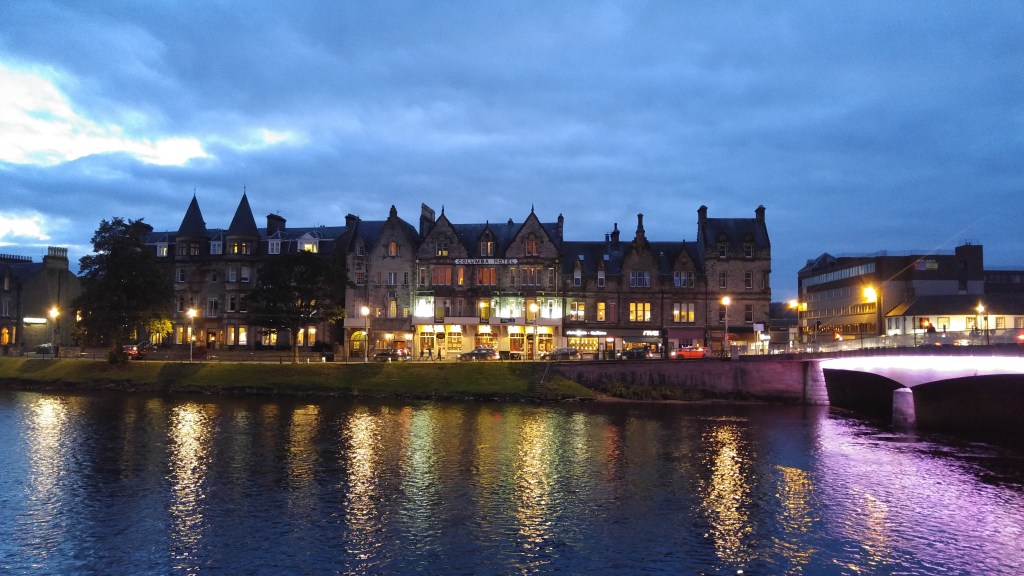
#10. Inverness
Inverness is a lovely city, and you can definitely walk around perfectly fine at night. You might even catch the aurora while you’re up there!
Wear a mask, wash you hands, and stay safe gentle readers.
The Giant’s Causeway

There are two stories which tell of the Giant’s Causeway, one, to my mind, being far more interesting than the other.
The first is that the octagonal rock formations were caused by a volcano. They happen when magma chambers cool very slowly, forming octagonal pillars of stone which are then revealed when the volcano cone has been eroded away.

Irish legend stipulates that a giant named Fionn Mac Cumhaill (Finn McCool) tore stone from the shores to build this causeway so that he could take on a Scottish giant, Benandonner, who was threatening Ireland. Unfortunately Fionn realised that Benandonner was much, much bigger than he was, and so Fionn ran back to Ireland and at the suggestion of his wife, disguised himself as a baby. When Benandonner beheld Fionn in his disguise, he grew fearful. If this was a baby, how big was the giant who fathered him!? Benandonner then fled back across the causeway to Scotland, tearing it up as he went. Benandonner’s half of the causeway is known to us today as Fingal’s Cave.
Depending on where you intend to stay during your visit to the island, you can find tours to the Giant’s Causeway which leave from Dublin in Ireland, or from Belfast in Northern Ireland. Personally I took a tour both times from Dublin, and although the trip was long I found it to be worth it.
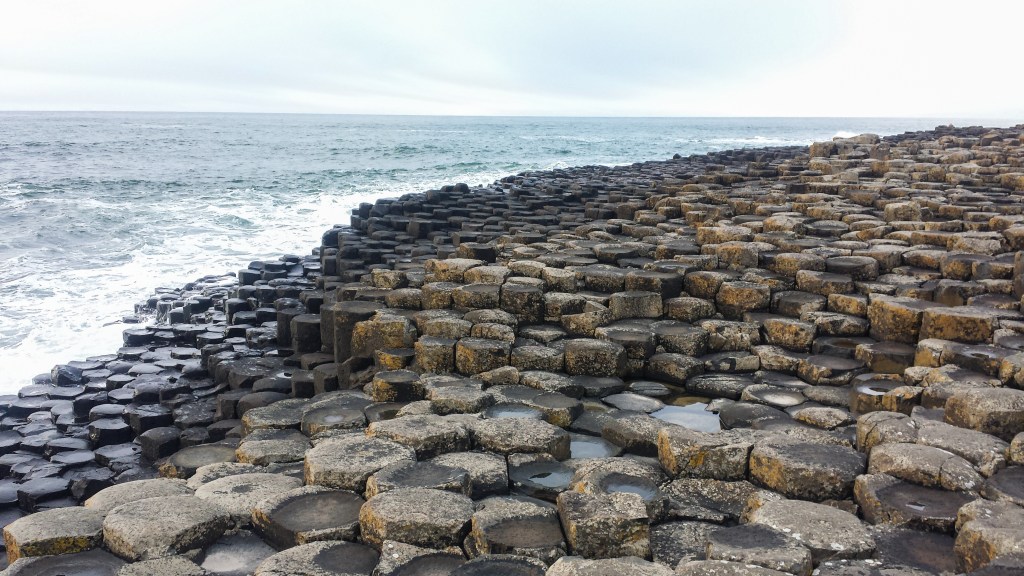
There’s something about the Giant’s Causeway which draws one to it. Whether it’s a sense of mystery as to how the rocks were formed or just the innate majesty of the sea crashing upon the rocks, I couldn’t say. All I can say is that should anyone invite me for a third time to visit this particular lieu I wouldn’t lightly refuse.
Whether you’ve driven yourself or taken a tour, you’ll end up in the parking lot just outside the visitor’s center. You’ve got a few options once you’re here. The first option is a local pub where you can enjoy the view and a pint, though you’ll not see the causeway itself from there. The second option is to go to the visitor’s center. This, to my mind, is needlessly expensive, and is not recommended by any of the tour guides I’ve been with. Due to Covid if you do choose to go in you should book your ticket a few days in advance on the National Trust website. Your third options are to go down to see the causeway itself, which is likely what you’ve come for. This is free, though if you have a few pounds there is a bus which leaves every fifteen minutes and takes you down to the causeway and back up to the car park. It’s a bit of a hike, so while the walk down might be something you’d enjoy, I doubt the walk back up to the carpark will be. Should you decide to ride the bus you’ll be given the choice of paying twice, the price of which I believe is £2.50, or £4 for a round trip. Remember that you’re in Northern Ireland and they use pound sterling rather than Euro like the rest of Ireland.

At the Causeway there is a lot of area to explore, and a lot of people wanting to explore it. Be careful, the rocks will likely be slippery. Wear good running shoes, and be kind and considerate of those around you. The regular rules apply, leave only footprints, and take only photos. Bring a camera because be it sunny or blustery, the scenery is spectacular.
Wash your hands, wear a mask, and stay safe gentle reader.
Small Town Charm

I have to admit, certain small towns do have a certain appeal to them.
I know this will sound strange to those who know me, and to my readers who have picked up on the fact that I am nothing if not ‘large city oriented’.
That’s not to say that I disparage of small towns though, so here’s a list of towns which I find to be perfectly charming, and among my favourite in the world. I highly recommend a visit to any and all!
Hay-on-Wye, Wales
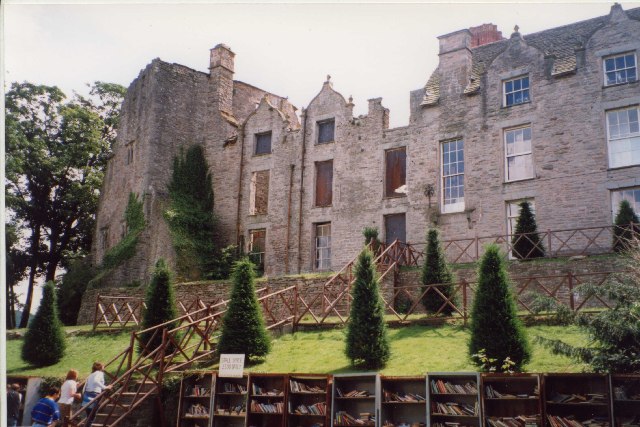
Hay-on-Wye is a little Welsh town near the border between Wales and England. It’s a community known as “the town of books” and has a historical and literary aura about it which naturally places it at the top of my list of places I love, not just of small towns!
Stratford, Ontario

Photo by Peter K Burian from Wikipedia Commons
This town, while somewhat bigger than the others, retains the feel of a small town. It has a lovely Main Street which, last time I was there, was full of unique shops, and is home to the Stratford Shakespeare Festival.
Frankenmuth, Michigan

This mini-Bavaria is a perfect place for those who can’t get to the true Bavaria. It’s warm, welcoming, and has a fabulous year round Christmas store.
Tofino, B.C.

I don’t remember much of Tofino, it’s been so long since I was there, but I remember two things; whale watching, and peace. If you need to unplug from the world and connect with the earth, head to Tofino.
Mackinac Island, Michigan

To say that Mackinac Island is timeless is an understatement. There are no automobiles allowed on the island. Just bikes, horses, and buggies! If you want a trip back to the 1800 or 1700s, this is your place!
Isle of Sheppey, England
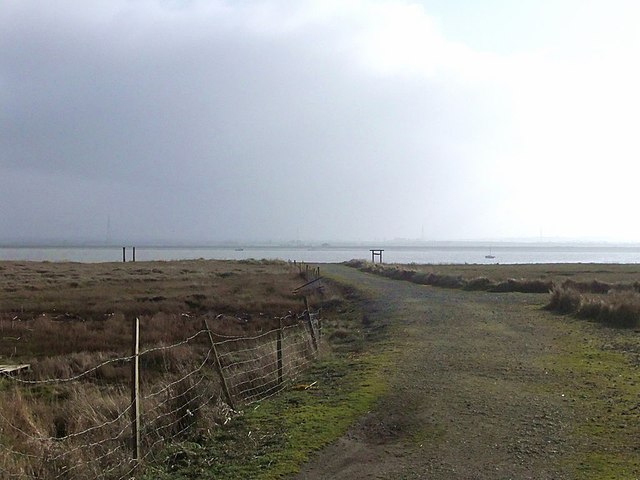

Bear with me on this one, because it isn’t just one town. The Isle of Sheppey is an island in Kent near upon which are many a small towns, a nature reserve which is home to some spectacular sea birds, and the view of the sea and wheat fields upon it are worthy of a slow, lazy day of exploration.
West Malling, England

There isn’t any specific tourism or attraction in West Malling, but the town itself is out of an English fairy tale. It’s perfect for an afternoon walk down the high street and lunch in a local pub.
Marlborough, England
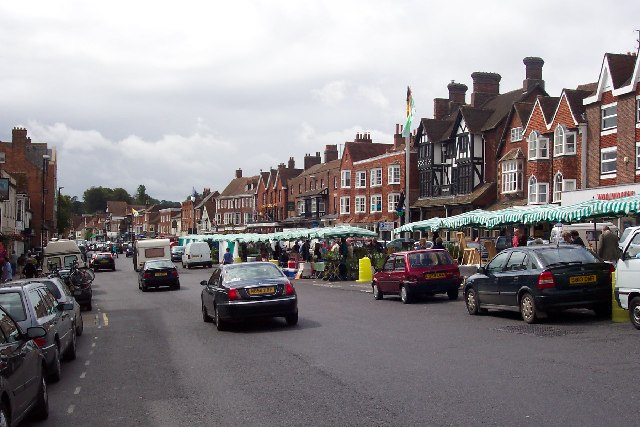
A small town with a big market. You can find everything on the high street you could ever want in a market. Food, books, and local art at it’s finest, and you’ll never be far from a pub for a pint or a meal.
Inverness, Scotland
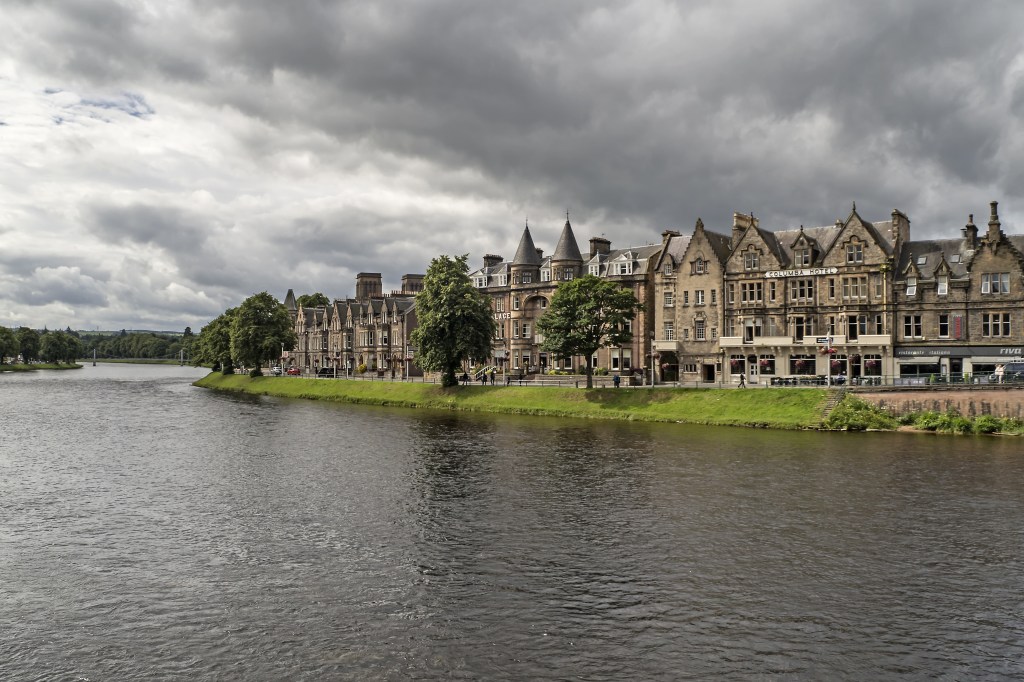
Inverness is such a small town you can have wandered it’s main streets within a day, though I get the feeling it would take several weeks to discover everything Inverness has to offer. Pop in for a highland adventure you’ll not soon forget!
Any of these towns will do for a quick drive and an afternoon of exploration should you happen to be headed their way, but of course there are many others out there worth discovering. Next time you see a town with a small population, go off the beaten path and have a visit. You never know what you’ll find.
Wear a mask, wash your hands, and be safe gentle reader.
Père Lachaise Cemetery

This is probably the most famous cemetery I’ve ever heard of that isn’t a war memorial. It’s the final resting place of some very famous people and thus draws in an incredible amount of tourists for a cemetery. It’s definitely worth a visit if you’re planning to be in Paris!
To get there you can take the Metro to the Père Lachaise Metro station. There is an entrance right there, apparently, though it wasn’t open when Aunt River and I visited. From the Metro station you can walk along the wall of names which is a memorial for the souls lost in the Second World War, until you come to a large half moon courtyard and a set of large doors. Enter, and you’ll find yourself in the cemetery.
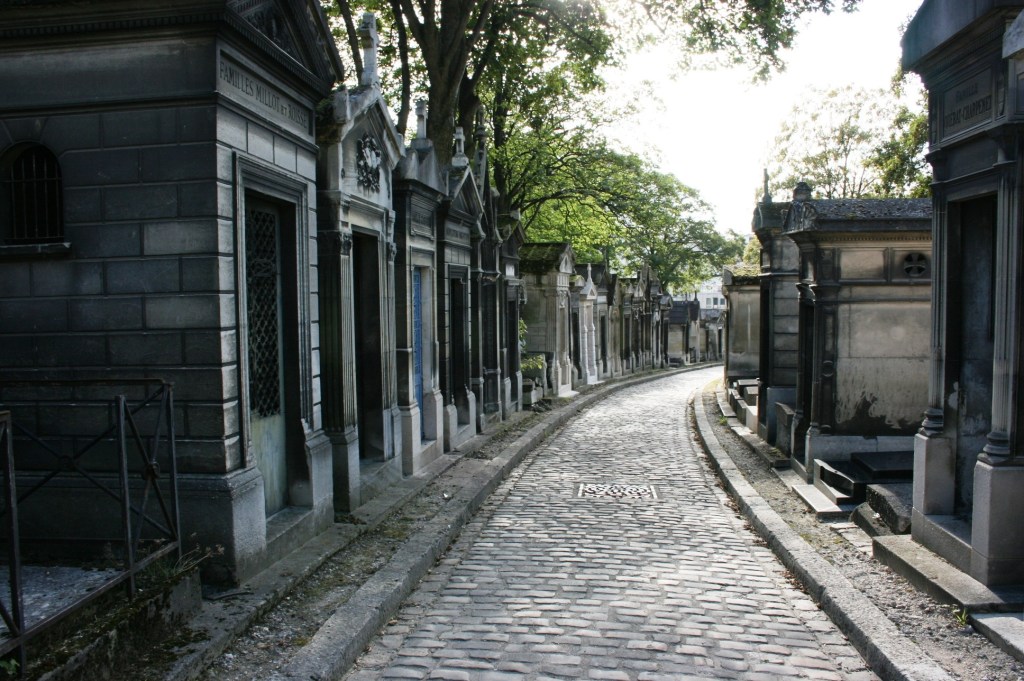
You can book tours, but you’re also welcome to visit solo. If you would like to visit someone special before you go, I recommend you either google where they are buried or take a look at a list of people within the cemetery. The list is quite extensive, as are the range professions of people interred there. When Aunt River and I went we made it a point of visited the graves of Abelard and Héloïse, Jim Morrison, Frederic Chopin, and Oscar Wilde. The cemetery is non-denominational, and so there are Jewish and Muslim sections you can visit, as well as a chapel, columbarium or mausoleum, and a crematorium. I don’t know if you can go into the crematorium, though I suspect not.
It was lucky that we had such a short list, as we arrived in the evening, an hour before the site was to close for the evening. The site is beautiful in this hour of lower light, but I would recommend going earlier if you want to be able to have a more leisurely amble about the tombs. Starting at about half an hour before closing there are volunteers who walk the cemetery grounds to usher out visitors before the gate is locked. I suggest you heed their warning and leave.
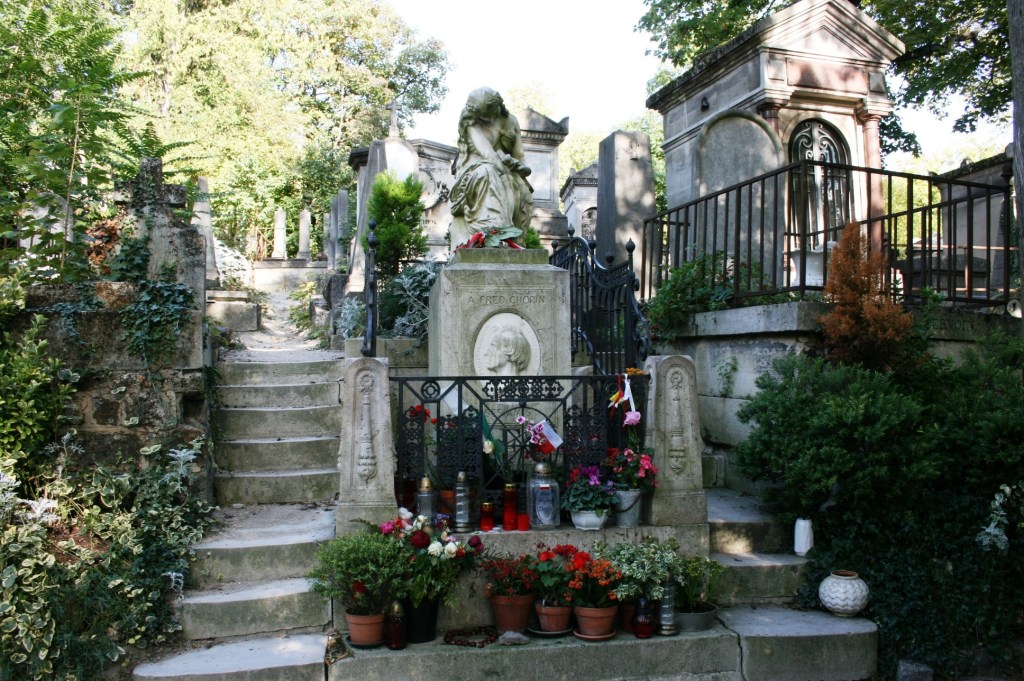
For the best possible visit I would suggest going in the morning with a list of graves you know you want to see, preferably marking them on a map which you’ve studied as the layout can be a bit chaotic. You might also wish to bring pictures of the graves with you so you have an easier time finding them. I would recommend that the map be physical, but it and the pictures can always be on your phone. In terms of offerings, I believe you are allowed to bring flowers, though as with any grave yard they will be removed after a period. Keep these gifts respectful. A small bouquet of flowers, perhaps. I don’t recommend candles as a fire in such a place could do a lot of damage.
Be sure to bring good shoes, as the graves can be nigh on on top of each other, and the cobble between them isn’t exactly even. You may also wish to bring a water bottle or a small snack if you intend to spend a majority of the day there, though should you do so remember to pack out all of your rubbish. There are washrooms in the cemetery though I’m told they are less than pleasant, and with Covid about I wouldn’t count on them being open. Go before you go!
Remember that it is a cemetery so keep the usual rules for respect. Behave calmly, do not interfere with the graves, and be respectful towards other visitors.
Wear a mask, wash your hands, and stay safe gentle reader.
What to Do When Reservations Go Wrong
Story time.
My cousin Arrow and I had planned a trip to Paris. It was supposed to be an awesome time of travel and fun, and an excellent chance for Arrow to visit, as not only did I speak French, but I had already been. She could take advantage of having me as a sort of personal guide, and I got a fun travel partner out of it.
We had booked a hotel and flight through Expedia, we’d saved a ton of money, and we had lots of plans for tours and excellent French culture and cuisine. It was going to be awesome!
Until it wasn’t.
The whole situation started when Arrow and I sat down to a pre-flight dinner in Wagamama at the Gatwick airport. We still had a little over an hour left until our flight departed, and so while we waited for our food I decided to check my email. It took a while to download, and I had to read it three times over to be sure that I had, in fact, read it correctly.
Our hotel reservations had been cancelled.
STEP 1! Don’t panic!
Easier said than done.
This happened because I had used Expedia to book our trip. I had gotten a fabulous discount but that’s the cost which comes with using websites like Expedia, Travelocity, etc. I hadn’t known that this was the case at the time, though even now that I do I would still use them for the discount. Prepare for the worst and hope for the best.
STEP 2! Get your wallet, your wits, and get within cell range.
The airports I’ve been in are notorious for having poor signals when it comes to regular calls. If you can make the call on something like What’sapp then do it, but I couldn’t. This is one of the many reasons I recommend getting a local sim card from Three when you travel, so that you are able to make these calls and have some data to spare if your wifi won’t connect.
I called the hotel and informed them of the situation. They told me that my card I had used to make the reservation was not in accordance. I gave it to them again, as well as other cards, but the purchase would not go through. It didn’t occur to me at the time but they were probably just using this as an excuse for having overbooked their rooms and for cancelling my reservation, because the rest of my trip, including the flight, went through just fine.
They offered to transfer me to another hotel within the same chain which might have rooms available. I agreed to this and was transferred to them.
Meanwhile I was keeping an eye on the time, hoping my phone battery wouldn’t run out, and trying my best to keep Arrow both calm and apprised of the situation.
I told her “If it comes down to it, we’ll just take the train home and fight Expedia in the morning.”
Again, this is easier said than done. I’m the type of person who will gladly spend a few hours on the phone to express my concerns and get this sort of thing fixed. If you are not like this, find a friend who is.
Luckily we were able to get another room in a different hotel for roughly the same price. Had we not been able to at that hotel, I would have kept calling until likely the very last minute to board the plane. I really wanted Arrow to have a good trip, and I wasn’t about to let it go that easily!
STEP 3! Adjust as needed.
We had always planned to take the Metro the first night, and our second hotel wasn’t far from our first. I think the difference only ended up being one stop, an easy fix thanks to apple maps. If we had thought it too complex we would have hailed a cab.
STEP 4! Breath.
This is all part of the adventure!
These steps will help you fix most if not all problems when these reservations go awry. Just remember that when they do, you will need to be flexible and probably willing to spend a touch more money than you otherwise would have. Just stay calm and remember that a call to your third party booking agent will do you exactly no good. Call the people who you will be physically interacting with; the hotel, restaurant, or tour agency who your reservations are with. They will be your problem solvers.
Wear a mask, wash your hands, and stay safe gentle readers.
 Lostman's Star
