Lostman's Star
Not all those who wander are lost, but I certainly am!
Althorp Estate
Unless you follow the lives of the royals, you’ll likely not remember Althorp Estate, although you’ll undoubtedly have heard of it; it’s the childhood home of Princess Diana.
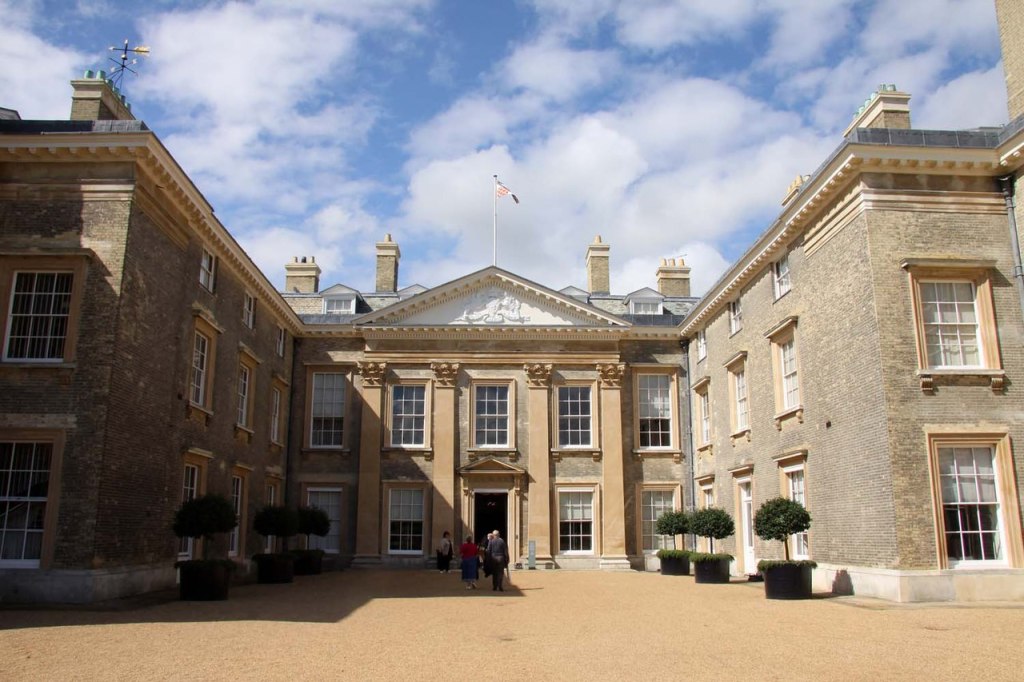
It’s a quiet estate surrounded by fields and a small town, and should you decide to visit by train you’ll find nothing spectacular about the station nearest to it. In fact, the location of Althorp is somewhat strange all around. It’s not only lacks extravagance in the places surrounding it, it’s surprisingly close to Manchester and Coventry; two cities known for a particularly high murder rate.
Still the estate retains a tranquil quality about it; a sense I assume has to do with Diana herself.
Although the home remains lived in, there are traces of her everywhere one goes. A plaque along the drive will tell you that the trees lining the road were planted in her memory. There are paintings and portraits of her, and of course out in the garden there is a pond and an island on which she rests. It’s a fitting place for her; a peaceful lieu away from the prying eyes which caused her so much distress.
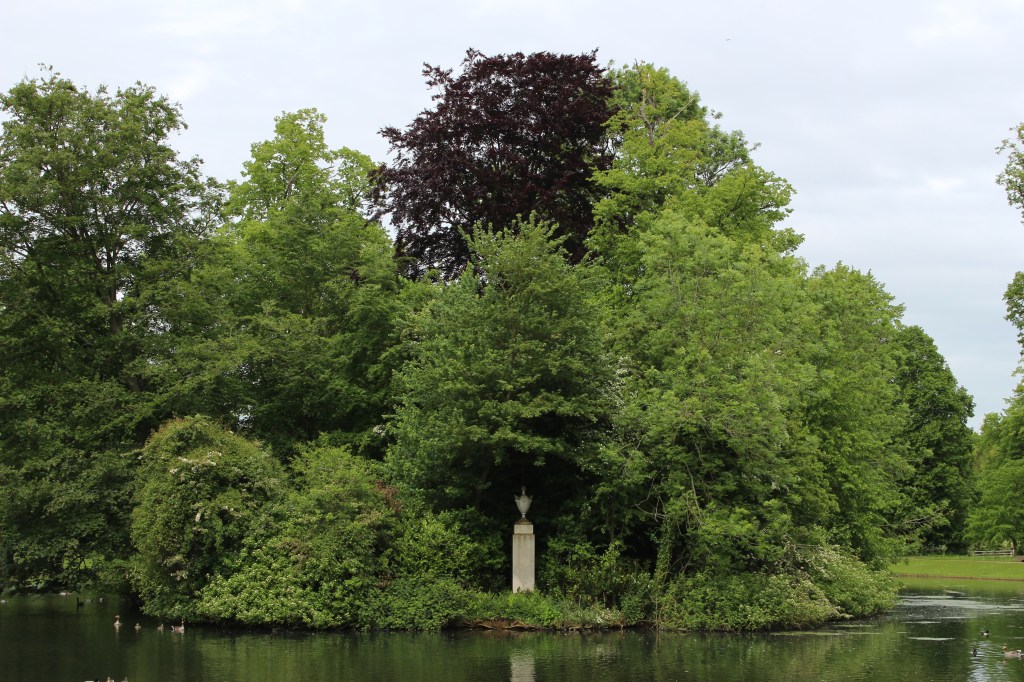
Not to be forgotten, Charles Spencer has established his own mark on Althorp by introducing modern works of art, a small shop, and an exhibit featuring the history of the Spencer family. This naturally includes a rather scathing original copy of Charles’ eulogy for Diana which I deeply enjoyed.
Keep in mind should you choose to visit that the Althorp estate is not just a grave but a home as well, and and must be treated with respect. It’s also only open during certain times of the year so be sure to check the schedule and plan accordingly. The online tickets are £22 but several discounts are available such as that for children, and Tesco card holders. Food is served in the stables, so you can be assured that if you find yourself peckish you can treat yourself to delicious scones, jam, and clotted cream.
Wear a mask, wash your hands, and stay safe gentle readers.
Canadian Vaccine Passports
There has been a major update regarding Vaccine Passports in Canada, and a bunch of very confusing updates coming out of every province.
Let’s go over them; keep in mind because much of this is up in the air, I can only speculate as to what may happen. I’ll do my best to keep you up to date as to the facts as I become aware of them myself.
First of all, Canada is set to implement Vaccine Passports. Passengers will be required to have one to board Canadian flights. Whether or not that’s both in and out of the country I’ve yet to find out. Judging by the fact that Americans are required to have a double vaccination to enter the Canada, my guess is both. I don’t see much sense in the Government ordering foreign nationals to prove a double vaccination to enter Canada all while being fine with shipping our unvaccinated citizens around the globe.
The system is set to roll out in ‘early fall’, so I would say that by the end of September or October at the very least we should have an update as to how this system will function.
The federal government has given each province free reign to implement their own vaccine passport system which would allow or disallow people from entering sporting and entertainment events, bars, restaurants, and other businesses.
Quebec, Manitoba, and BC have either already or are in the process of adopting such a passport.
Ontario and Alberta have chosen not to.
How will this affect international travelers, no idea. I would venture that you’ll likely be required to show the vaccine passport you used to get into Canada if the province requires it. That means a trip to Alberta will look very different from a trip to Quebec. You’ll need to know the provincial requirements and be prepared for it before you go.
Many provinces will have a mobile app, though I suspect that this will be for their own residences only. Therefore, even as a Canadian citizen, if I were to travel to Quebec I would bring a paper copy of my proof of vaccination. Why take the risk of arriving and then not being able to do anything, right?
Personally I will be happy to get a vaccine passport when it is available. I want to continue my trek across the world, the vaccine passport will not only make that easier for me, it will also be proof that I want to keep the countries I visit safe from Covid.
I’ve heard rumours of having a third shot available as a booster, especially for the elderly or people who live and work in long term care facilities. If they make this shot available to the general public I’ll be in line for that too.
I want to impress upon you gentle reader that I am not asking you to do all of these things; but these are the steps I will be taking to ensure my own safety and that of those around me.
Follow the advice of your doctors and medical professionals. Wash your hands, wear a mask, and stay safe gentle readers.
Buckingham Palace
Ever want to see how the Queen of England lives and wander the home of what is arguably the most publicly influential family living on the planet?
You can!
You can visit a select few of the living rooms, halls, and reception areas for the low low price of £60 a person, or $120 Canadian. If that price is too steep for you, you can also visit their backyard for £16.50 or $33 Canadian.
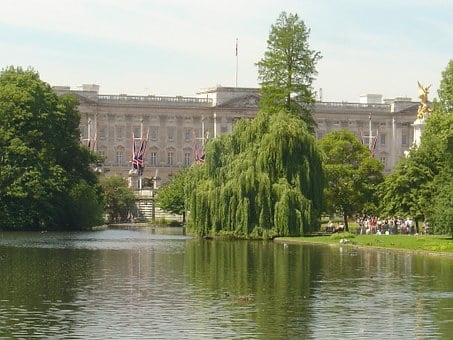
Fans of the royal family are able to wander throughout designated rooms of Buckingham Palace to enjoy the the many famous and rarely seen works of art, the antique furniture, and the many trinkets which represent but a portion of the luxury and collective intergenerational wealth of Hapsburg royalty.
Some lucky visitors will have the privilege of viewing exhibits such as the 2016 Fashioning a Reign: 90 Years of Style from the Queen’s Wardrobe. Even those clothes which are nearing the a half century in age are in pristine condition. Mainly this is because the Queen, though deliberately not a fashion trend setter as she has more important work to do, she must not be seen wearing the same clothes more than two to three times by the general public. Each piece of clothing is a statement piece! This year the palace is allowing the public to view classical works of art from masters such as Vermeer, Rembrandt, and Titian. At the end of your tour stop to enjoy some French pastries on Buckingham’s back porch. It’s so quiet you could almost be forgiven for forgetting you’re still surrounded by 8.69 million people!

Remember to book well in advance, as visiting Buckingham Palace to view it’s hidden works of art is not only popular, but is also only possible during a few weeks of summer each year while the Queen holidays at a secondary palace in Scotland called Holyrood.
Wear a mask, wash your hands, and stay safe gentle readers.
5 Things to Consider when Choosing Fall Foliage Destination
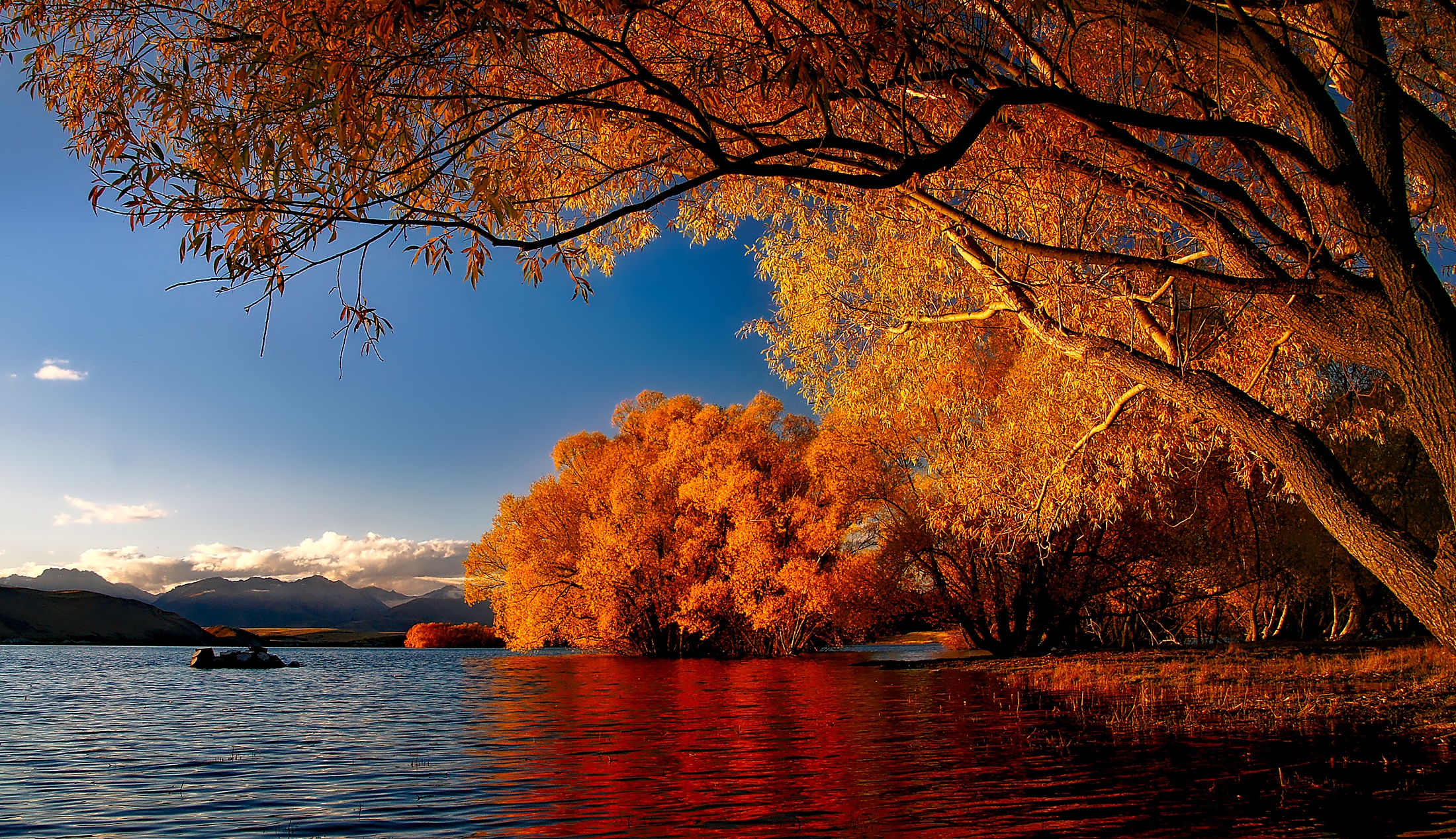
I’m sure half of the people reading this are wincing while the other half are leaping for joy. Where I live there’s already a distinctive nip in the air. Not every day of course, but that distinctive chill is already whispering the famed Stark words. Winter is coming!
Depending on where you are in the world, the season for fall foliage is coming up, and again, depending on where you are in the world, this is roughly the time to start planning your sight seeing. You’ll want to take a few things into consideration when you’re planning your foliage
#1. Climate
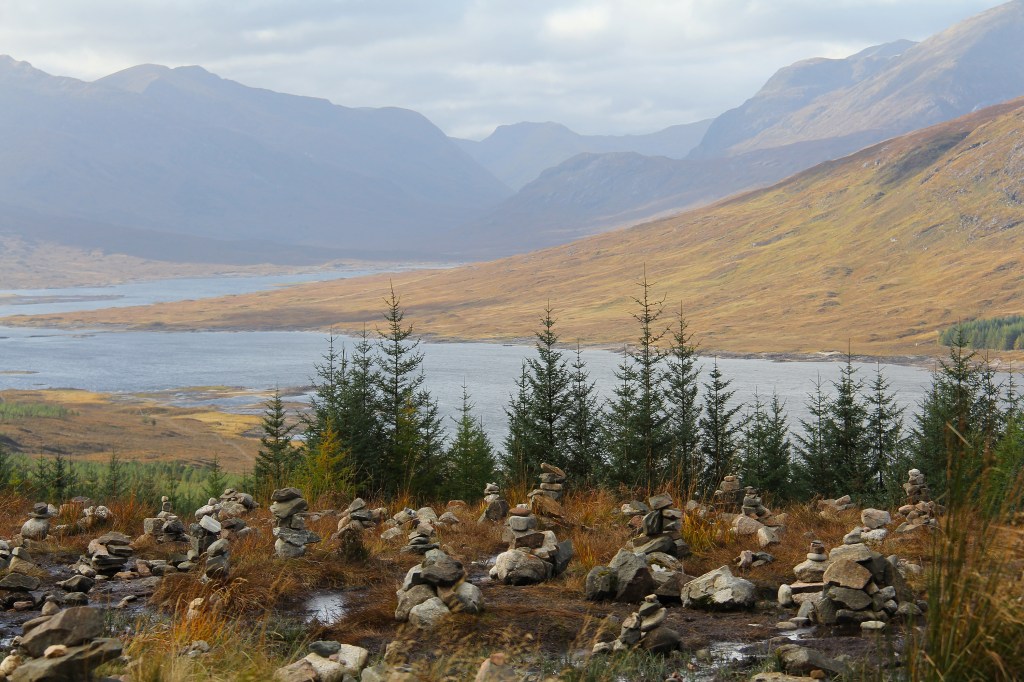
The climate of your chosen destination will affect what kind of foliage you’re viewing. If you want a wall of reds, deep orange, and yellows, you’ll do well to aim for a temperate climate. Think Kyoto, New England, Amsterdam, places where maples and especially oaks can grow. Those are the trees which will give you the deep reds and burnt oranges. Beeches and chestnuts will give you your yellows. Harsher climates will bring in more evergreen trees and, as their name suggests, keep more deep green in your view. You may also wish to consider a harsher climate which has few to no trees like highlands of Scotland, where the grasses turn orange and the heather blooms purple in the fall.
#2. Timing
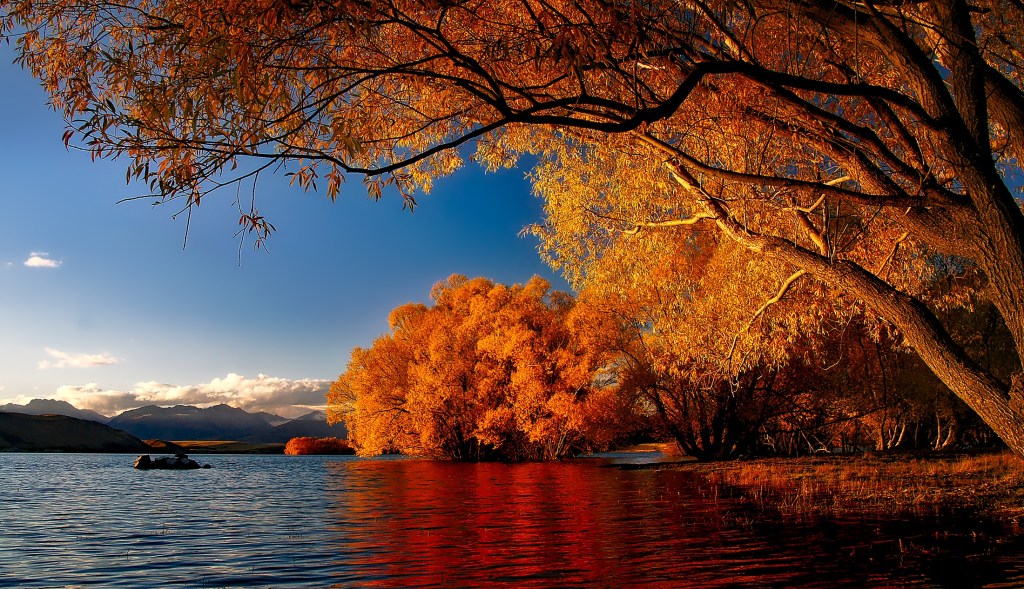
You’ll not see any of New Zealand’s fall foliage if you’re there from September through November. Their autumn happens from March through May. Likewise, if you come to Canada in November expecting our maples to be in full fall bloom you’ll have missed the show. When you know which climate you’d like to visit, it’s important to research when the best time is to visit it for the kind of view you want. Don’t assume it’s the same time as yours!
#3. Popularity
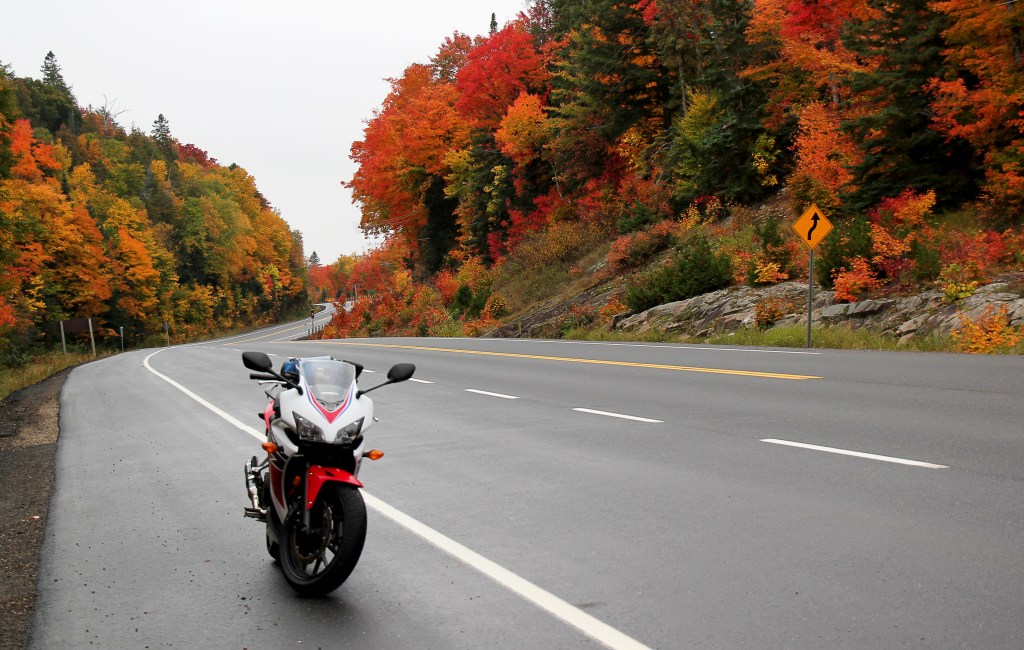
While specifically viewing the fall foliage isn’t the only reason you might visit a place, you should consider whether or not everyone else is going to be doing the same. An October plan to visit Salem or Sleepy Hollow will need to be booked much further in advance than a visit to Algonquin Park. Tiny Salem town will be bustling, Algonquin Provincial Park, which is twice the size of Rhode Island, will be less so. If you know your destination will be popular I suggest having your fall excursion booked by the spring of the same year.
#4. Ease of Access
Inverness has an airport, and to get to Culloden, an excellent place to view the fall foliage in Scotland, you can take a city bus and walk a short way. Not that you really need to. Inverness is surrounded by trees and fields, and is situated in a valley of sorts. You can be in the city center and still see all the beautiful colours. Most cities in Ontario, even the Greater Toronto Area, are full of and surrounded by trees and will give you a similar effect. The same can’t be said of London or it’s boroughs, which would require a significant train ride before you begin to see anything resembling countryside.

#5. Wildlife
If you’re viewing the heather out on Culloden, you are unlikely to be attacked by a bear. They’ve been extinct for several centuries in the British Isles. Algonquin Park is rather a different story. You’ll be smack dab in the middle of their territory, in the time of year when they’re actively looking for food. You might not be their preferred item, but rest assured you are still on the menu. Beware of moose, too. They’re the Ice Age megafauna leftovers, much bigger than you probably think they are, and the bulls are aggressive. Research what wildlife you might encounter before you go!
Hopefully this helps, and keep in mind that while Canadians are welcoming back our American friends, we are doing so only if they can provide proof of vaccination against Covid-19. September 7th is the intended date we intend to open our borders to the rest of the world with the same proof of full vaccination.
Wear a mask, wash your hands, and stay safe gentle readers. We’re getting there!
Hello gentle readers,
A quick update as to why the regularly scheduled post hasn’t gone out today. I’m on vacation!
I will be returning with the usual posts on August the 17th, until then, wear a mask, wash your hands, and stay safe gentle readers.
5 Things Nobody Tells You About Travel

We’ve all had it happen I’m sure; your friend has just come home from a far flung destination and is ready to tell you all about their fabulous adventure. Of course they have to omit some details but for the most part they’re honest about their experience. Their trip was wonderful and they’re so happy they went!
Fabulous. But I’m here to un-omit those details. The seemingly innocuous details left out to make the story shine. I want you to know, gentle reader, that the grass isn’t as green as you think.
#1. Cities smell. Badly.
The scent of urine will hit you almost instantly when you set food in Paris. Pollution will hit you in London. Plug your nose while travelling through any town with a paper mill. I can only imagine that any city the Ganges River passes through doesn’t smell like a bed of roses either. Cities stink, be prepared for it.
#2. There will be homeless people.
I’ve still yet to figure out what to do about this. Normally I wish them a good day but sometimes I’m a bit scared to speak with them. It’s an issue which I am working on within myself. This kind of encounter is somewhat unfamiliar to me as I grew up in a town without a large population of unhoused people, and so I understand that the first time this happens to you it can be stressful. Wherever metropoli you visit are bound to have them though, so be prepared for that eventuality. Remember; these are human beings deserving of the utmost kindness and respect. Act accordingly.
#3. The currency system will be different.
Yes, you’ll know that the currency system is different. What people don’t tell you is how that messes up your ability to produce payment. When I first went to England I found myself looking for quarters. When I came back, I looked for twenty pence pieces for about a week. You will not be able to count your money as fast as you do back home, or have as good an awareness of how much you have. Be patient with yourself and others while you figure it all out. Collect and keep a few!
#4. Some items (and people) will be utterly unhelpful.
I find that when people speak about travel they really play up how good and helpful certain individuals or companies were during their stay, or maybe even how rude staff were, but they rarely talk about the unhelpful ones. These are the items like signs, maps, or directions, or the people who think they are doing an excellent job, are polite, and then just end up being completely wrong about what they were talking about or pointing you into the opposite direction you wished to end up. This will happen. Error is constant, be patient, and be sure you check your facts or get a second opinion when you suspect that someone may have unintentionally (or otherwise) led you astray.
#5. Travel can be scary.
Running out of money, being unable to translate for yourself, encounters with angry locals, becoming lost, missing a train or flight, these are all things that will happen to you at some point if you travel enough. You will be scared. You will have heart heart wrenching moments of sorrow. You will lose things. You will feel heartbreak and trepidation, anger and despair.
That’s how you know you’re learning. Keep travelling. The rest is worth it.
Wear a mask, wash your hands, and be safe gentle reader.
Flagstaff Crater
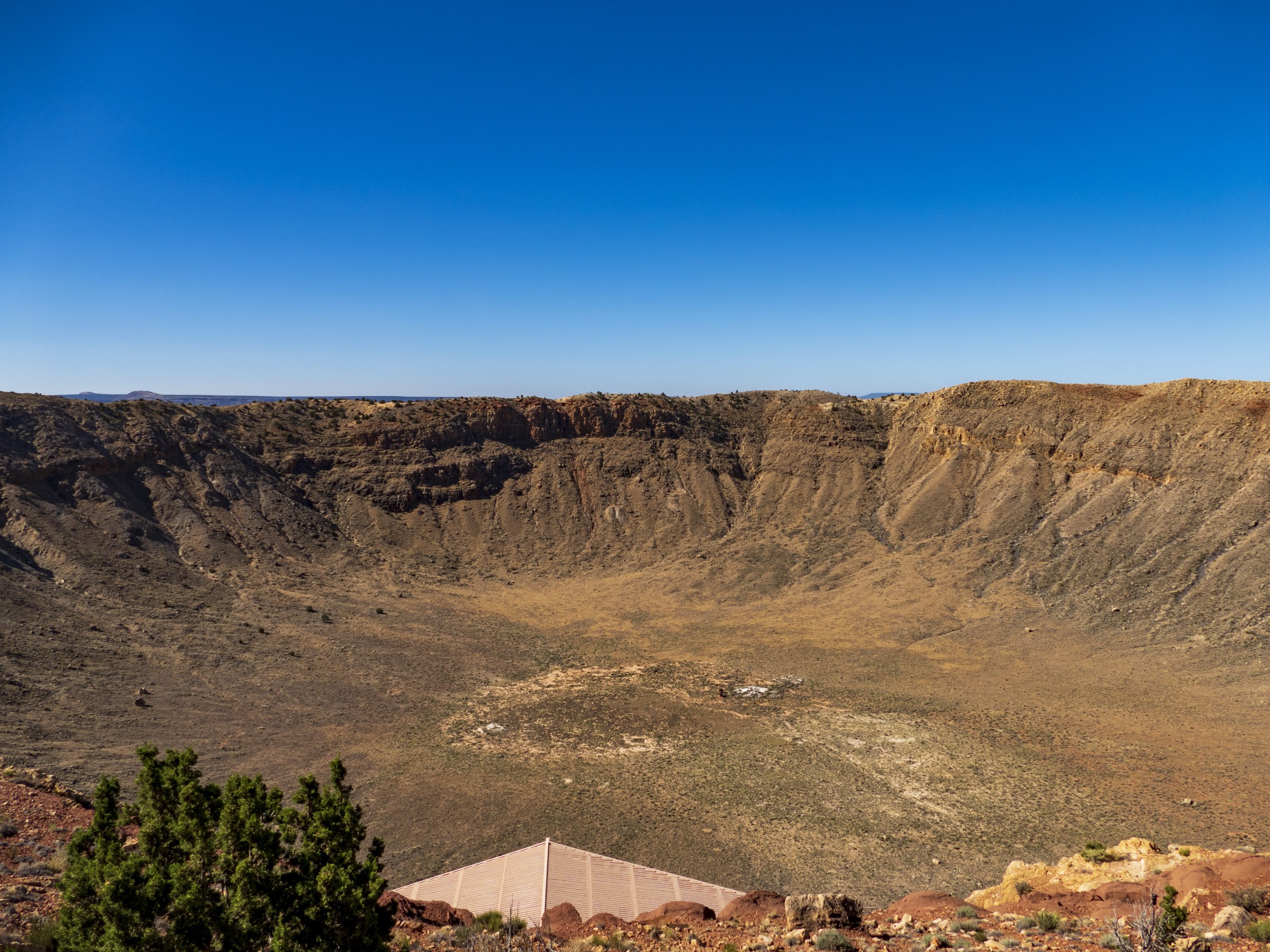
Let me warn you right now; if you visit Arizona and choose to go to the Flagstaff crater, don’t expect your non-astronomy-loving friends to be impressed. They are going to see a hole in the ground. For certain groups it is a fascinating hole in the ground, but a hole in the ground none the less.
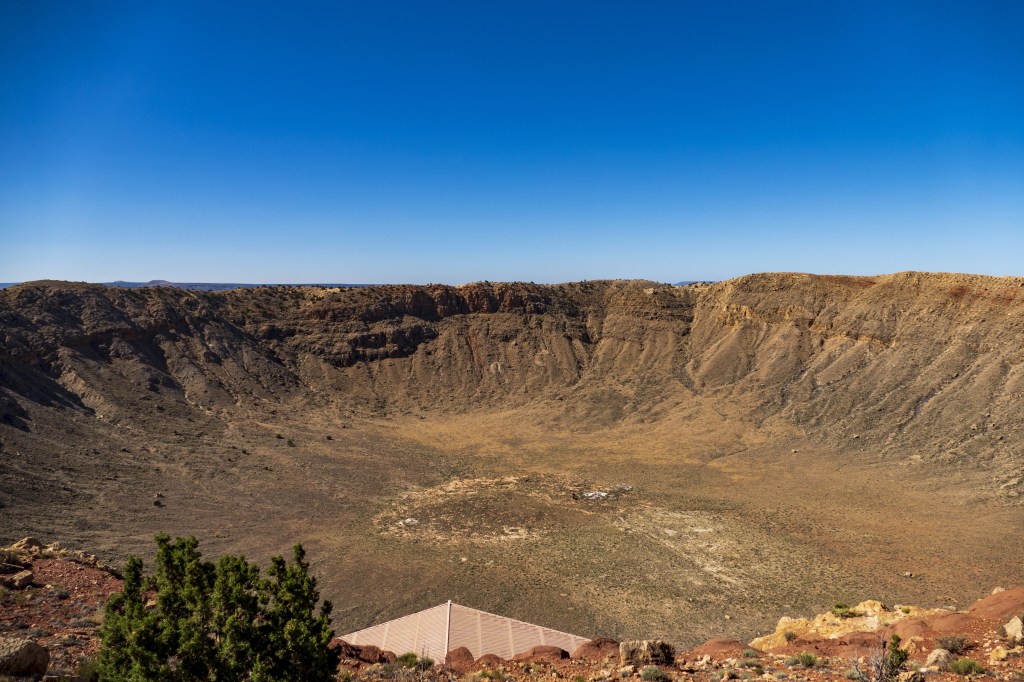
The Flagstaff Crator represents what is left from a meteor crashing to earth, and the meteor itself is the world’s best preserved to this date. The crater itself is comparatively well preserved as well. Usually when space debris crashes into the earth, the atmosphere destroys what remains of the crater. Flagstaff is the closest many of us will be to seeing what the pockmarked surface of the moon looks like.
You can walk around the crater with a guided tour, but you cannot go down into it. For that, the Flagstaff Crater museum offers an observation point with telescopes so you can have a closer look at the far walls and the floor.
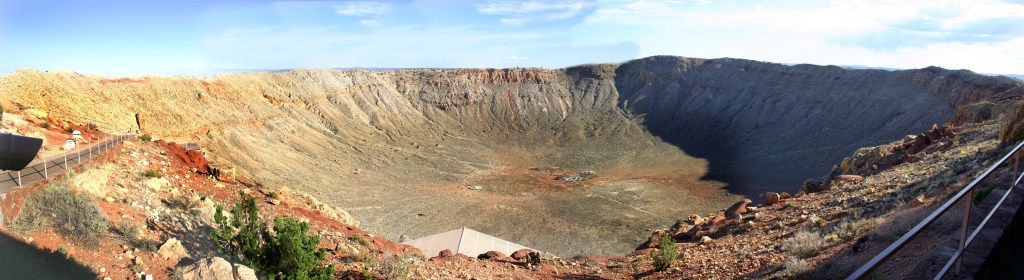
The museum itself is informative concerning astronomy and the history of the crater itself, and the fee to enter is $22 for adults. In my opinion one cannot put a price on the value of education, just know what you’re paying for. If you’re interested in meteors and astronomy, you’ll have a field day.
If not … may I suggest the Grand Canyon?
Wear a mask, wash your hands, and stay safe gentle reader.
4 Things to Remember Before You Go
You’ve decided where you want to go. You’ve got your Pinterest boards ready, you’ve booked your flight, hotels, and tours, you’re packed and ready to go! You’re reviewing your list of all the things you need to do before you leave. Have you packed your toothbrush? Yup. Have you closed all of the windows? Sure have!
Have you forgotten anything?
If you’re the typical tourist; probably.
No, it’s not your hairdryer or your glasses.
You’ve forgotten to study. You’ve forgotten to pack your mental toolkit!
This toolkit will add enjoyment to your trip, make it easier to navigate your environment, and likely give you more places that you would like to visit, either in the future or on the very trip you intend to take.
These are the tools I suggest you add to your repertoire.
#1. Study the language.
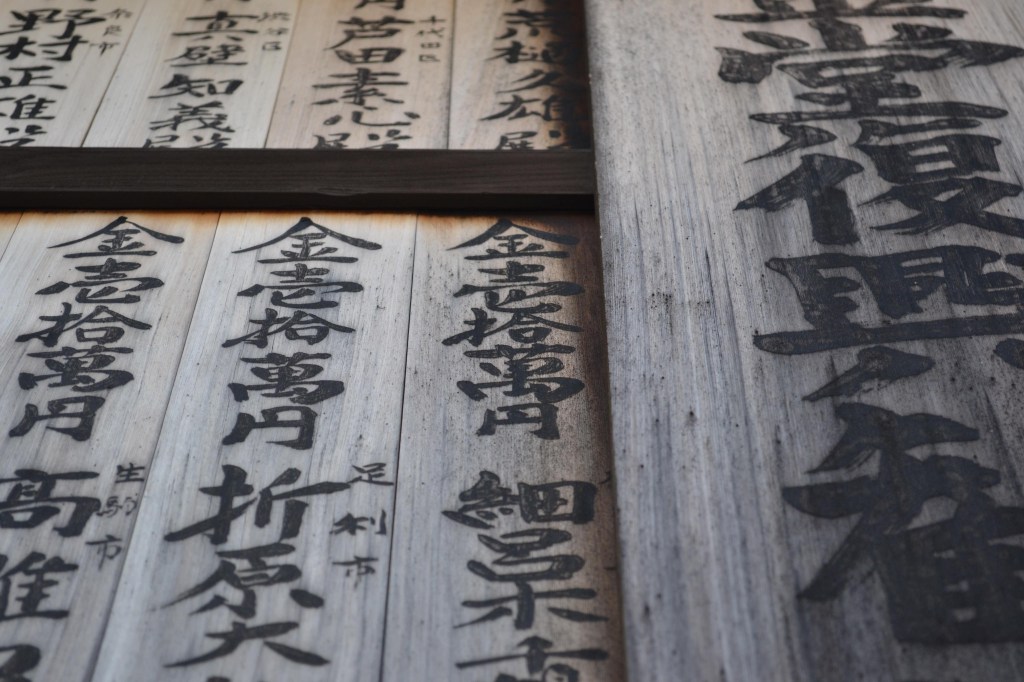
Duolingo, Drops, and Memrise are all good starts. You needn’t be proficient in a language to visit the countries which use it, but you should learn a few key phrases. Learn how to ask for help, how to say the word hospital, how to ask where the bathroom is, how to say please, thank you, yes, and no, and if there are any hand signs which are offensive. Beyond that, how much or little you learn is really up to you, but I would recommend you learn as much as you can before you go. Learning to read a few symbols if they don’t use a Latin alphabet would also be wise, or memorizing how to spell certain key words throughout your trip; the name of your hotel for example. The locals will also be much happier to lend you a hand if they can see you at least tried to learn some of their language before you arrived. Don’t be that tourist who shows up expecting everyone to speak English.
#2. Study the national history.

Read a book. Watch a documentary. Listen to presentation from a local. Watch a Youtube video. Even if you’re not a big fan of history, at least go through a few of these to get a sense of the culture and legacy of the place you’re visiting. There is almost no way to go about studying the history of a nation wrongly. The only possible methods you could go wrong with are thinking you already know everything, or listening to a bigot. While you’re learning it’s important to remember that opinions are not facts, and the facts don’t care about your feelings! You’re there to learn not be emotionally comforted.
#3. Study the local political climate.
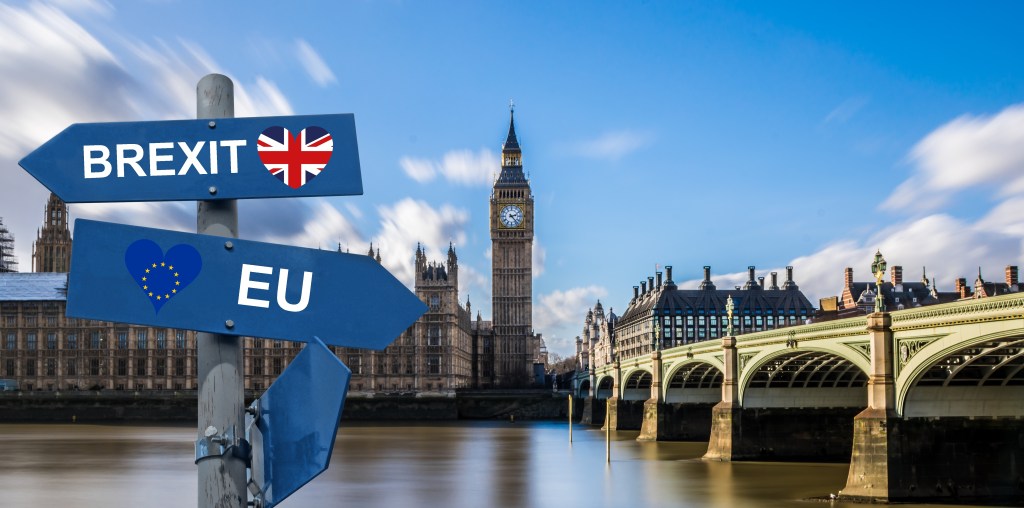
Some places are not friendly. It’s common among certain communities to know that there are places where they are unwelcome. The Black and Queer communities for example, know that there are certain areas, be they towns or spaces, which they are not welcome; some under the penalty of death. If you’re unsure of what I’m talking about you can follow these links to the Wikipedia articles for sundown towns, and for the stances of the world nations concerning lgbtq rights. These articles are only a preliminary and baseline knowledge which you should be aware of, irregardless of belonging to or having friends in these communities. Many members of these communities will tell you that despite legislation which makes harming them illegal, the harm continues to occur in certain areas. Be aware that the situation and level of safety you feel in your city may not be imitated everywhere in the world you choose to go!
#4. Study the maps.
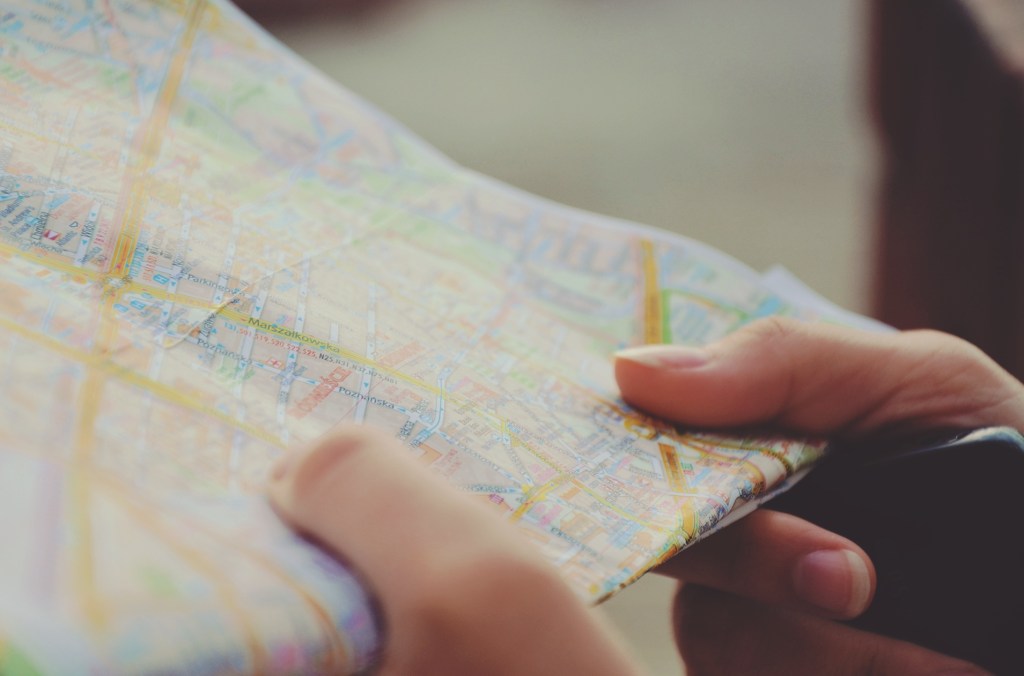
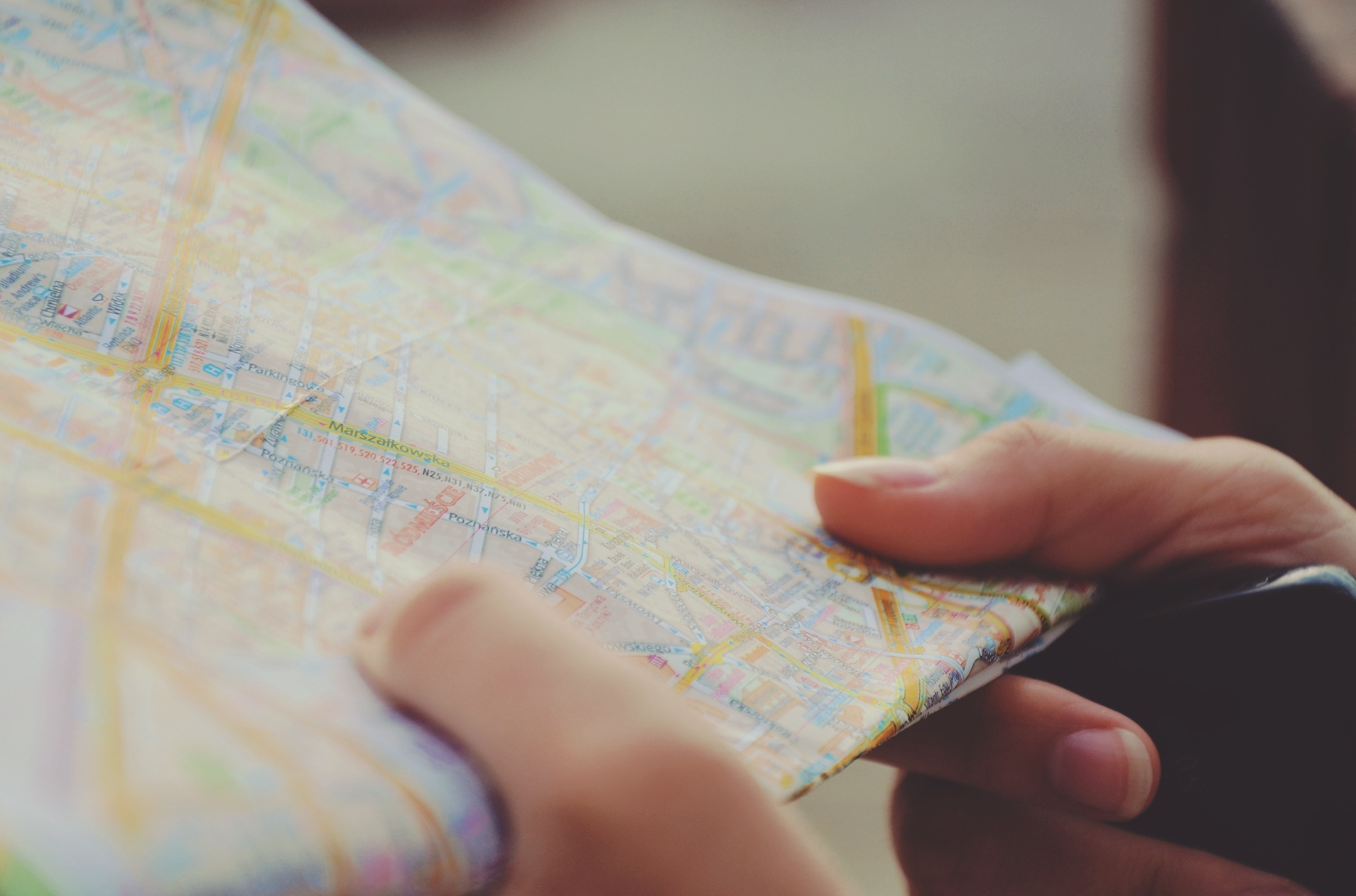
When Mom, Dad, and I visited London together for the first time, we ended up on top of a stair about to cross a bridge. The only thing that kept us from going further in the wrong direction was my knowledge that the route from the tube station to our hotel didn’t involve crossing water. I’d have done better to memorise that map, but knowing that we needn’t cross the Thames saved us an arduous journey, and it would have done even had my phone been dead and the hour been late. Knowing the local landmarks will save you a lot of walking, and make it harder for you to be led astray by strangers, either accidentally or on purpose.
Anything else you choose to study will only enhance your trip further, so don’t be afraid to keep reading, watching, and learning about your favourite places on earth!
Wash your hands, wear a mask, and stay safe gentle reader.
Piazza San Marco
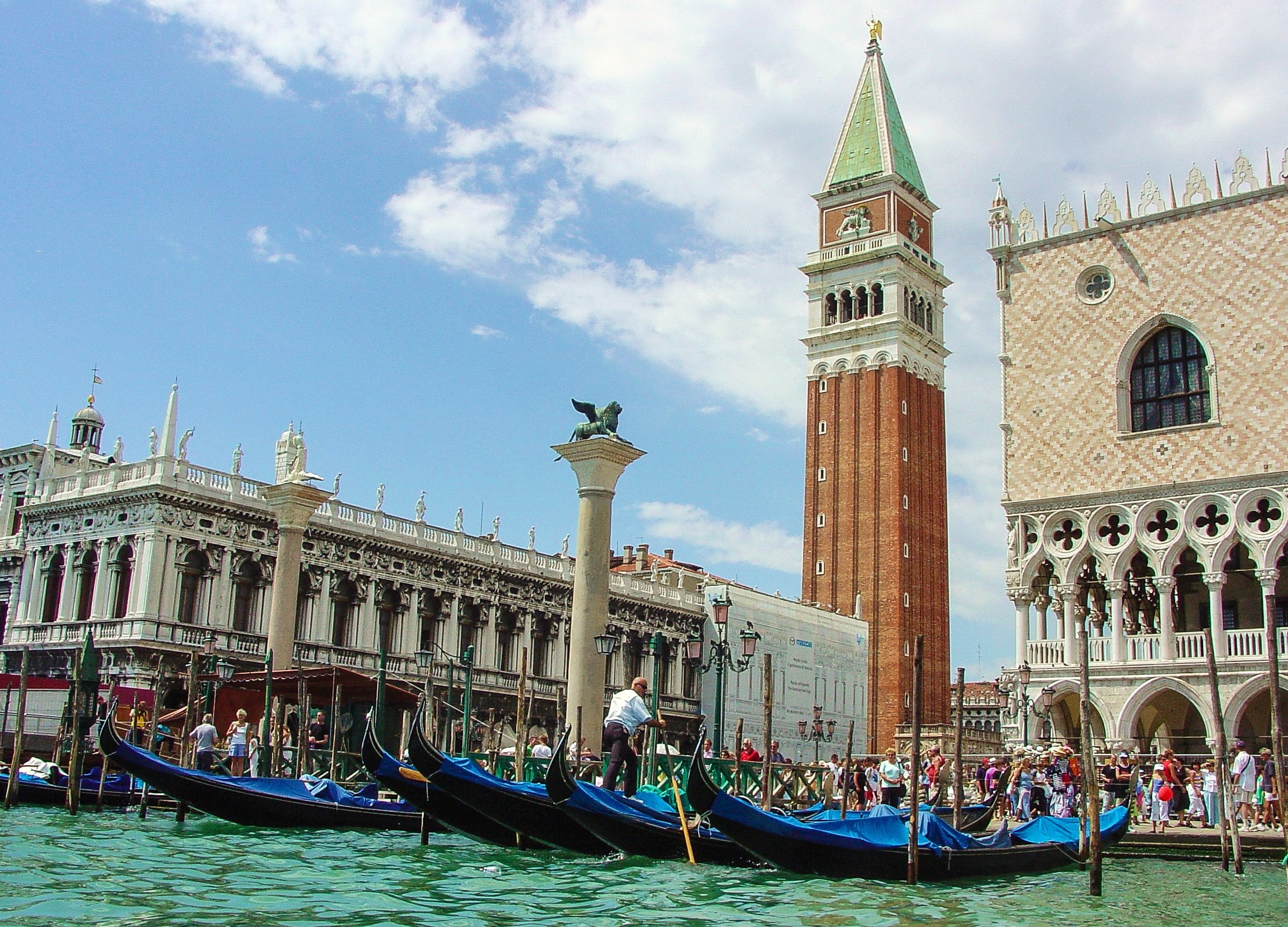
One of the most iconic thing about Venice, among all of its iconic features, is the Piazza San Marco. St. Marco’s Square for those of us who speak English. If you’ve seen photos of winged lions, beautiful clock towers, the Palace of the Doge, and gondolas tied to posts, then you’ve likely seen parts of the Piazza San Marco within those photos.

The square is bordered by several tourist attractions, all of which are worth seeing should you find yourself in Venice. Perhaps the most famous of this is the Basilica San Marco, the grand church which takes up the eastern portion of the square. You’ll know it by the four bronze horses on the roof. They may appear green due to oxidization unless they’ve recently been cleaned. These are actually not the original horses, you can find those displayed inside the Basilica itself. It’s well worth going in to experience the amazing art of this beloved church.
Around the entire rest of the plaza you’ll find shops and cafes with places to sit outside and enjoy your espresso. At the southwest corner you’ll find the Museo Correr, a museum of Venician art. Personally I did not go in, so I’m not confident telling you if it’s worth visiting or not. That said, it is part of the palace of the Doge, the building which takes up the entirety of Piazza San Marco’s encirclement other than the Basilica. That’s a whole lot of palace, a whole lot of history, and a whole lot of art. For a skip the line ticket it’s €20, which seems like a bargain to me.
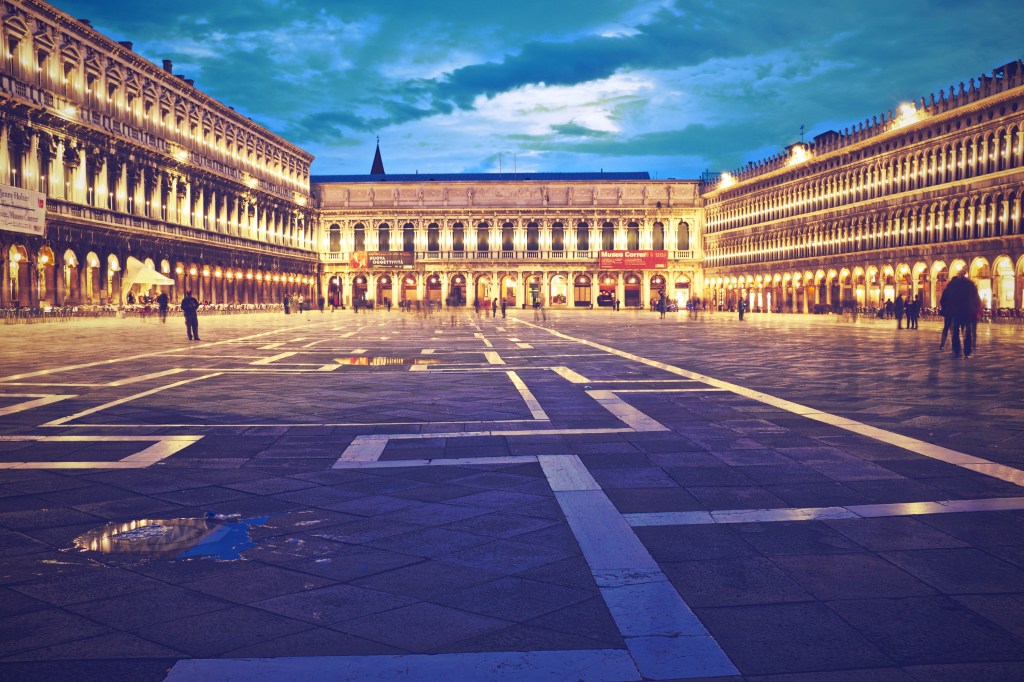
There is also the a bell tower which can be climbed, though you can only visit from April 1st to November 3rd, and tickets can only be purchased on site. I’ve not gone up the tower either, but I love high places so if you’re like me and you have a deep desire to go to the highest points and look down at the surrounding city, this will be the place for you!
Finally, the absolute best part about the Piazza San Marco can be found just in front of the basilica. There’s a stall right in front which sells dried corn which you can feed the pigeons. The birds are very tame and will land all over your arms and shoulders to get some corn from you.
Just make sure to bring some hand sanitizer for afterwards!
Wash your hands, wear a mask, and stay safe gentle readers.
5 small simple necessities
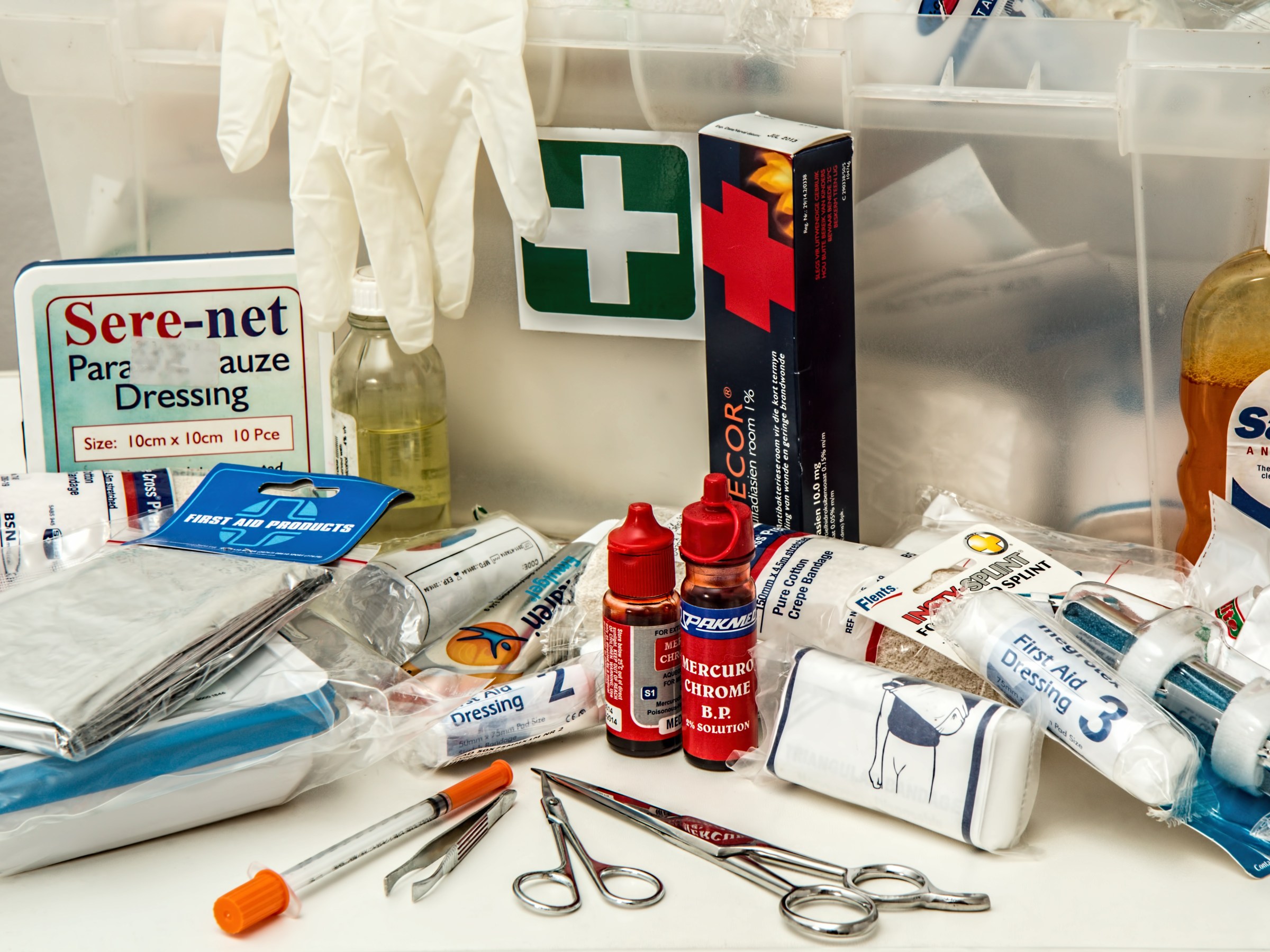
I have to admit, gentle reader, a hesitated to name these items necessities if only for the fact that most aren’t that necessary. That said, these are small, scout-style improvements which will ensure nothing catches you by surprise during your trip. As a bonus these are all items which can help you, those who travel with you, or strangers in need of a hand.
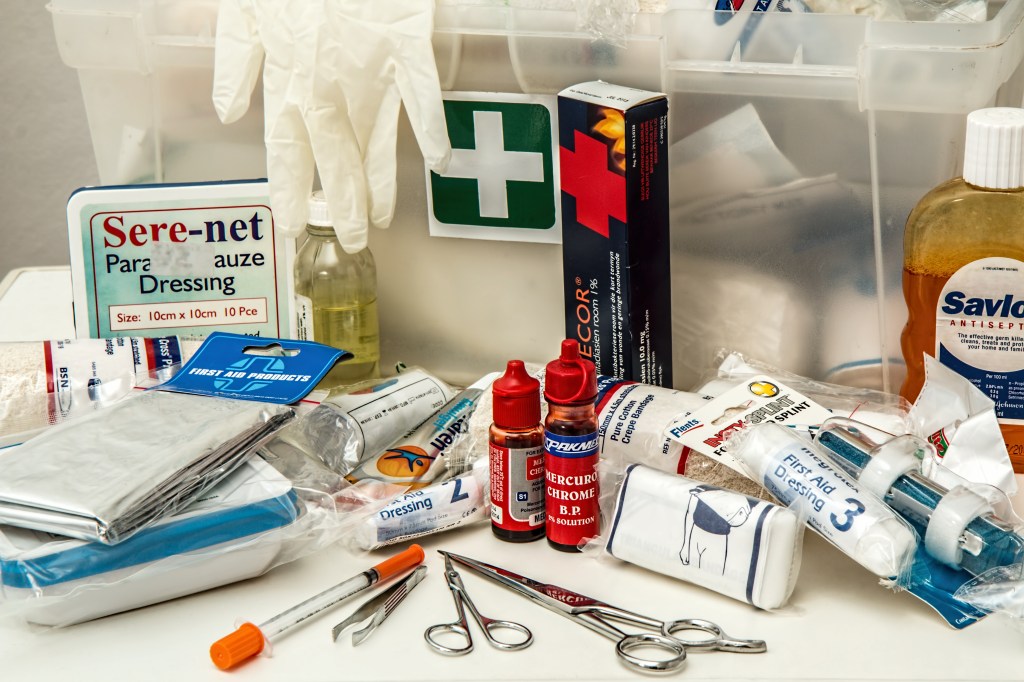
#1. A small first-aid kit.
Notice the word small. If you’re heading somewhere remote like camping or hiking, or you’re going into an area that isn’t exactly tourist friendly, then by all means bring a med-kit. Otherwise, a little plastic bag with some a few pain pills, Polysporin, Benadryl, and Band-Aids will do. Think treating blisters, not bullet wounds, so something significantly less complex than the image below.
#2. A Red Bag.
For period-havers, you know what to do. For those without periods here’s what we need. Pack some pain pills, a few pads and some tampons (options are always nice), and some wet wipes. Pack more than you think you’ll need of each item; remember the girl code! Keep it discreet by packing the items in a little pouch or wrapping them in an opaque plastic bag. It’s always nice to have your friends’ and partners’ backs, and I guarantee they’ll appreciate the thoughtfulness.
#3. A plastic garbage bag.
If your water bottle spills, your sweater or coat gets so dirty or wet that it becomes unwearable, or you become ill, you’ll be glad to have a leak-proof bag on you.
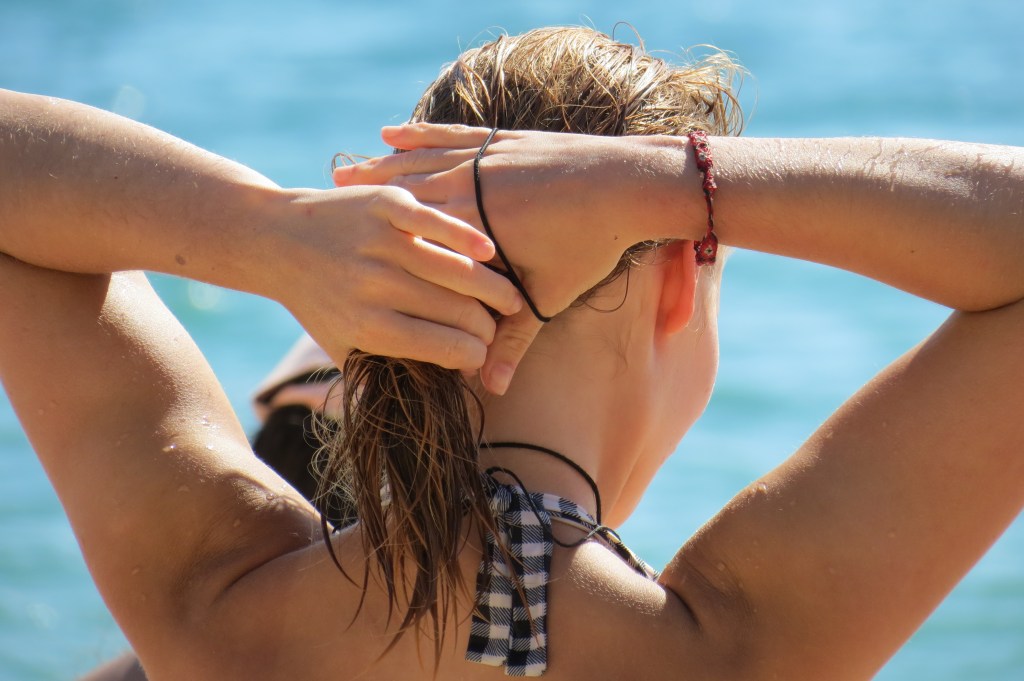
#4. Hair elastics.
Anyone with long hair knows it’s a massive pain when you need one and don’t have one. Even if you’ve got short hair they can be used to secure locker keys to your persons, tie shirts to make them fit better, and send signs to your friends. Make sure they’re elastics meant for hair though, as plastic ones are an absolute nightmare to get out of long hair.
#5. A small knife.
No, not a switch blade, butterfly knives, or a buck knife. Those are too big and too illegal in certain countries. You’ll not be using this knife for self defense. What you’re looking for is just a fair sized pocket or swiss army knife. This is for cutting tags off new clothes you want to wear, getting into tough packages, or emergency modification of clothing like loose threads or frayed edges which are making you trip. There are plenty of other uses too, it’s just a useful little tool to have around. DO NOT PUT THIS IN YOUR CARRY ON IF YOU’RE FLYING. You’ll be forced to get rid of it by security.
With these items in your bag you’ll be a bit more prepared to face the little every day emergencies we all face. Wear a mask, wash your hands, and stay safe gentle reader.
 Lostman's Star