Lostman's Star
Not all those who wander are lost, but I certainly am!
Donation Prices: Should You Pay Them?
I’ve you’ve visited any historic monument in England you’ll know that usually it isn’t a one price affair. There are varying costs including adults, children, and group tickets. There are sometimes also donation prices. These prices are supposed to go towards the costs of maintenance and operations of the historic buildings you’re visiting. So … should you pay them?
I’ll be honest I thought my anwer was going to be no! I personally never paid the donation prices. Why should I? I’m not rich, the institutions (be they royal, governmental, or corporate) which pay for the upkeep of these palaces are richer than I am. Why ask the poor to fund the poor?
That said, I can’t in good conscience suggest that you, gentle reader, do something without having first experienced it for myself or researching it. So into the internet I went, looking for my answers.
The first bit is easy. Start with English Heritage.
A great many monuments are run by English Heritage. This organization uses a mixture of profits from ticket sales, venue rentals, and the occasional government grant to help preserve the sites. The public owns these sites, however English Heritage has been granted governmental permission to manage them. They work with other organizations such as Cadw (Wales), Heritage New Zealand, Historic Scotland, the Office of Public Works in Northern Ireland, Manx National Heritage and the Isle of Man to give discounts to their members when visiting these international historic spaces.
In their 2018-2019 report, their annual expenditures were £112.0 million, while their income was 120.8 million. They calculate donations as being worth 7% of their income for the year, which is £8.4 million. Their net profit is about £8.8 million. That’s only £400,000 of wiggle room a year, and those profits help to fund a pention plan for their employees and serve as an emergency fund any unpredictable catastrophes such as fires.
Knowing what I do of English Heritage, I would say that if you have the budget, the wish, and the time to donate, do it. They do good work, and the palaces I’ve visited which they keep are always warm and welcoming. Especially during Covid, they will probably be using that emergency fund to mitigate what income loss they can, and if a fire should break out it might be quite a while before it can be repaired.
English Heritage doesn’t run all of England’s historical sites though, in fact Royal Historical Palaces is a charity which manages six royal homes. Queen Elizabeth still owns a majority of them, and although she does not to my knoweldge receive any of the profits, she does pay for a portion of the upkeep of one of the palaces; Kensington Palace where her grandchildren and extended family live. The portion she pays comes out of the Sovereign Grant, which in 2020 totalled £107 million. This Sovereign Grant, which is itself only a portion of Queen Elizabeth’s annual income, comes out of the government budget. Royal Historical Palaces is reporting an income decrease of £100 million this year due to Covid.
Some places like the Rochester Guildhall run entirely on grants and donations, and offer free admission. Others, like the Royal Pavillion in Brighton, do accept donations but are owned by the towns they’re in.
So we’re back to the question of whether or to pay the donation fees. Research, as always, is the necessary. Do you want to donate? How much can you afford to on your trip? Do you know how your donation is spent? Are you satisfied with all these answers?
My personal opinion is that historical buildings are worth protecting for the stories and lessons they hold, for good or ill. English Heritage can probably benefit from a donation, but smaller, cheaper museums like the Rochester Guildhall could benefit a great deal more. They don’t receive as many visitors, don’t charge as much admission, and don’t have the same financial support from a monarchy or charity.
My general rule is to ask myself if 1000 visitors didn’t make any donation at all, would this museum or historical monument have to consider itself in trouble? If the answer is yes, I try to contribute what I can. If the answer is no but they wouldn’t be comfortably out of danger, then I consider making a donation. If the answer is a clear and resounding yes they’ll be fine, then I don’t trouble myself with worrying about the buildings.
For the most part, these buildings that I’ve grown to love are in excellent hands, and my admission fee will be just fine.
Vieux Montreal
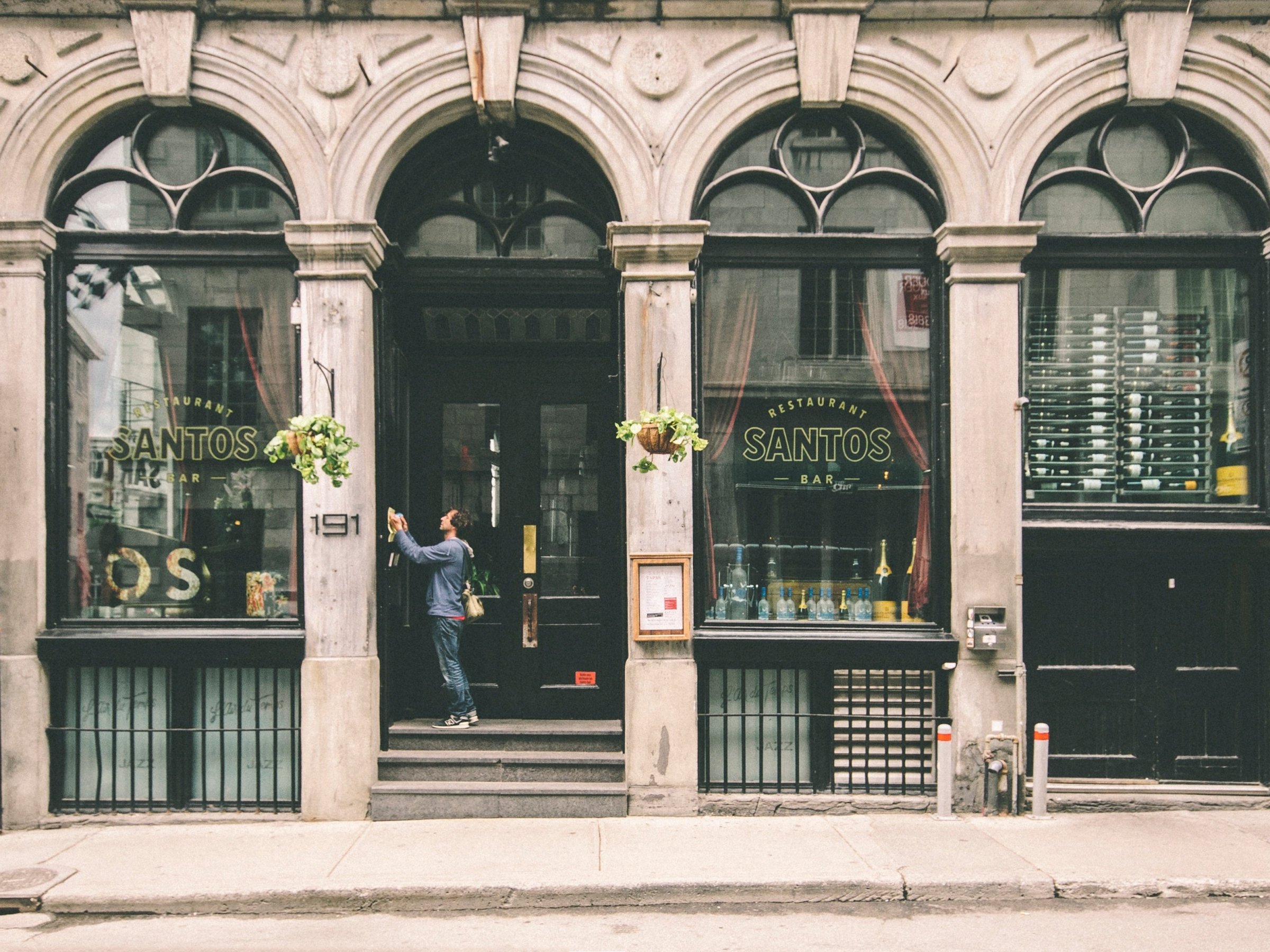
I have so many fond memories of Montreal from my childhood, sometimes it’s hard to believe that not everyone has visited. I know that’s a foolish thing to think but it’s true!
It was the first experience I had of an ‘old’ town. Montreal’s streets date back to the mid sixteen hundreds, and so the budding history fanatic that was my younger self adored every part of it. It was the first time I’d stepped on cobble, and I’ve not forgotten the joy of walking on that which I’d only read about.
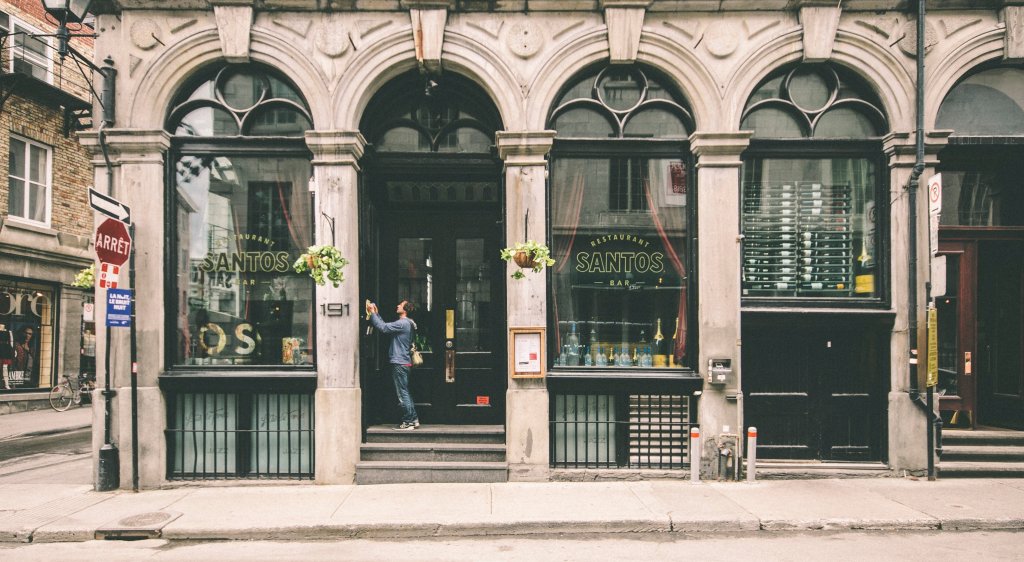
It’s also the first place I’d ever used a metro system, so really Old Montreal was like a giant playground for me. A big, slightly old world city, it was like a Canadian version of everything I would come to love about Europe.
We would always go in June, and I can attest that if you love big cities with lots of energy it’s a pefect time to go. Post covid of course! June is when the Formula 1 Montreal Grand Prix is run, and I suspect Cirque Du Soleil takes advantage of that because usually you can find their tent on the piers that line the St. Laurence. Their shows are always so full of enchanting music, humorous acts, and hair raising acrobatics. That’s all without even mentioning the incredible artwork that is the sets, lighting, and costumes for each performer! Tickets aren’t cheap, but they’re well worth the experience.
If you stick around what is called Ville-Marie you’ll have plenty of boutiques to shop in, and the scent from the bistros will drive you delirious with hunger and an urge to try everything. My advice? Give in! While you’re in Montreal I also recommend you try Schwartz’s Deli.

It’s on St. Laurent street, which isn’t in Ville-Marie but if you’re already in Montreal it’s well worth a stop. To give you a bit of perspective, I must reveal one key detail:
I don’t like Montreal smoked meat sandwiches. I will choose them only over starvation.
When Mom and Dad told me we would be going to a place which was famous for them I was unconvinced. Dad insisted that I should give it a try on the grounds that the Deli was nearing it’s centennial, and therefore must be doing something right. It was either the deli or skip dinner, so I went along with it.
To this day, I will accept no Montreal smoked meat sandwiches unless it comes from Schwartz’s. They’re THAT good. Get a hot plate of fries and a gigantic pickle to go along with it.
Montreal has a lot of great things to offer, but if you only have a short time to explore, go to Ville-Marie in Old Montreal. Bring good walking shoes, weather appropriate clothing, and a French translation book. Have fun!
Wash your hands, wear a mask, and stay safe gentle reader.
Top 5 Places I want To Revisit

Anyone who travels has certain places they wish to return to, either because they loved it so much that they want to recreate the experience or because they feel they’ve not properly enjoyed it and would like a second shot. Given the time and the coin these are the top places I would love to revisit, and what I would do before my trip to make sure I made the most of it!
#1. Queenstown, New Zealand

I’ve been wanting to go bungy jumping again for a few years now, and Queenstown is the place to do it. If I was going again I would also make sure to plan other adrenalin junkie expeditions like sky diving or taking a ride on the Kjet, a super fast airboat tour of Milford Sound. Of course, a stop at Devil Burgers is also a must!
#2. Rome, Italy.
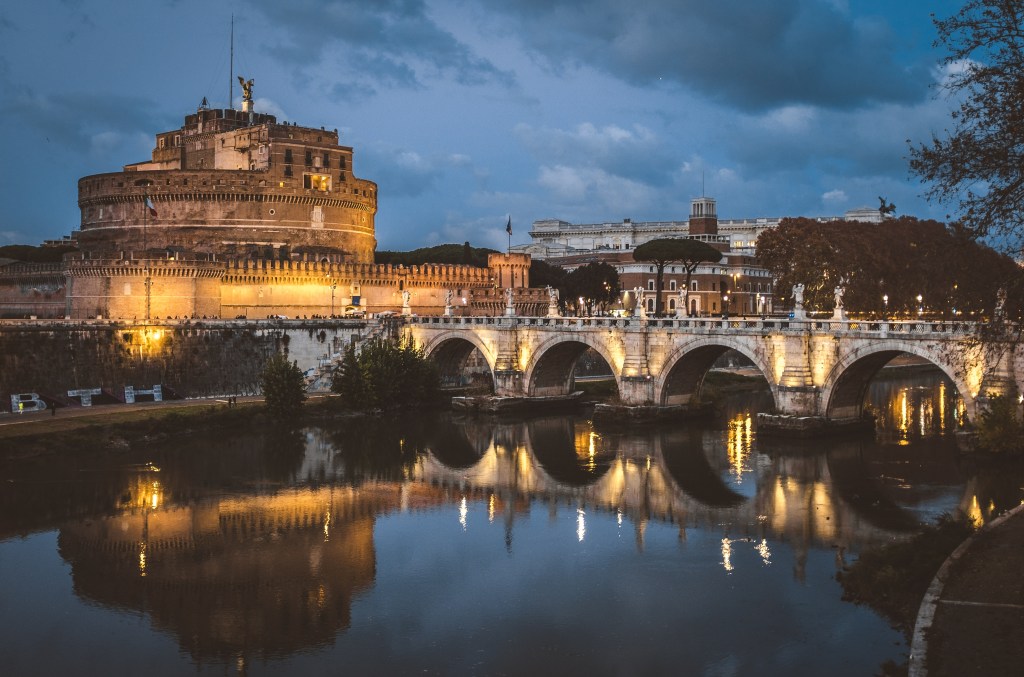
I know I didn’t appreciate what I was seeing while I was there last time. Now that I know more about ancient history I would love to go back and see the remnants of the Circus Maximus and the Roman Forum again. I would brush up on my history before I left, and I would make sure that I planned my trip for the cooler months so that I could more easily enjoy the sights.
#3. London, England
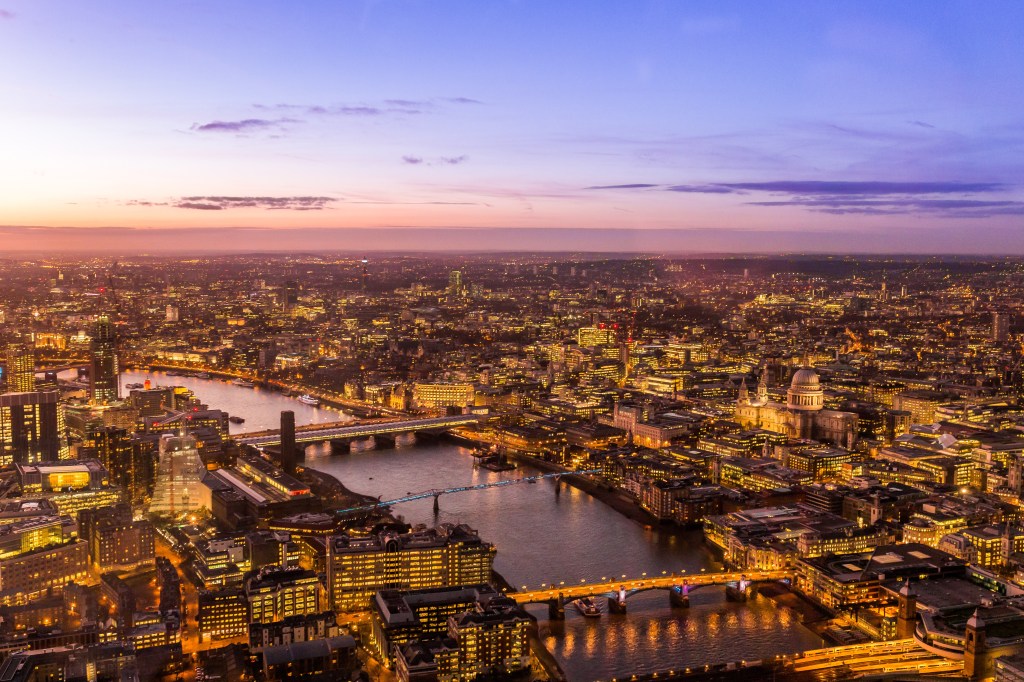
I spent a lot of time in London, but there is always more to do and see in London. As a start I would like to go to the top of the Shard, and then perhaps explore the less touristy parts of London to get a feel for what the average person there lives like. I would also like to visit the British Museum in winter.
#4. Amsterdam, Netherlands

I don’t regret a single moment of my trip to the Netherlands, but it was a very short one. I had three days to pack in what sightseeing I could, and although I saw the Anne Frank house I wasn’t able to go inside. If I went back I’d plan a lengthier visit, and I would like to see other cities while there.
#5. Caribbean Cruise

I’ve not been able to relax for a long while, and I love the “nothing to do” attitude that cruises bring out in me. I’d get all my work done so I wouldn’t have to worry about it before hand, bring an absolute shed load of books, and do nothing but sit around and read by the pool until we got to port, and there all I would do is shop and historical tours. Nothing else! Just history, reading, and all the sugary drinks I wanted.
Are there any places you’d love to see again? Let me know in the comments!
Marché Aux Puces

The literal translation of Marché aux Puces is flea market; and in essence that’s the concept. Like any flea market you will find stalls with merchants who sell things which have been previously owned. Some items are old, some newer. Still, I would hardly call the Marché aux Puces a typical fleamarket. Having experienced it myself I can easily say it’s so much more.

You’ll find it in a series of alleys in Montmartre, North, past the Basilica Sacré-Cœur. There’s an entrance right near the metro station Porte de Clignancourt.
Like the Camden Market, the Marché aux Puces has a sort of false market before it. You’ll find rows of white tents along the Avenue de la Porte de Clignancourt, all selling articles like clothing and accessories. There are certainly some interesting things there, however if your objective is to get to the Marché and look for authentic antiques then you need to keep walking. Cross beneath a bridge and you’ll find entrances along the Avenue you’ve come from, or you can turn left onto the Rue Jean Henri Fabre and you’ll find entrances there too.
The alleyways are as numerous as they are tiny. You can easily spend the day here if you like. Aunt River and I spent a solid afternoon searching through beautiful articles of history. I’m told the shop keeps are willing to haggle, but honestly neither Aunt River nor I did. I spotted three beautiful news papers and was perfectly happy to pay the asking price for them.

If you can, go to the washroom before you leave your hotel. There are bathrooms at the Marche but they can be a bit hard to find. There are online maps which show where they are. To my memory this website’s map is accurate. Bring good walking shoes, and a fair chunk of cash. Some vendors will accept cards, but not all. Even if you’re not expecting to buy anything bring some money anyway. There’s always a chance that you’ll find something you just can’t resist! Bring water, but keep it away from the shops. Antiques and liquids don’t mix well.
Whether or not the markets are open during covid, I don’t know, but there is little room to maneuver on a good day let alone put six feet between yourself and any stranger passing by. I don’t recommend going here until the restrictions are lifted, despite it being an outdoor market.
Stay home, wear a mask, wash your hands, and stay safe, gentle reader.
Treasure Hunt Trips
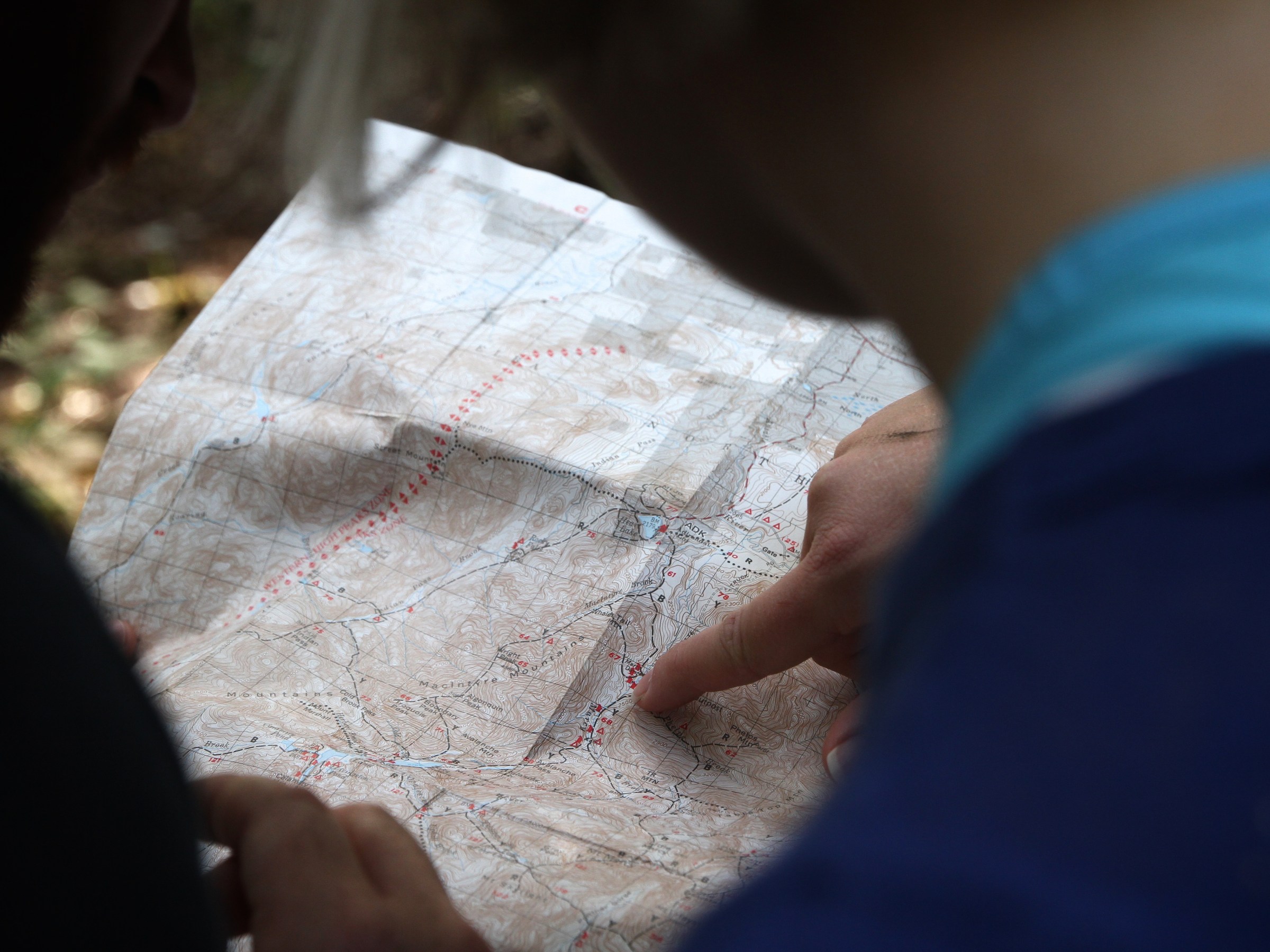
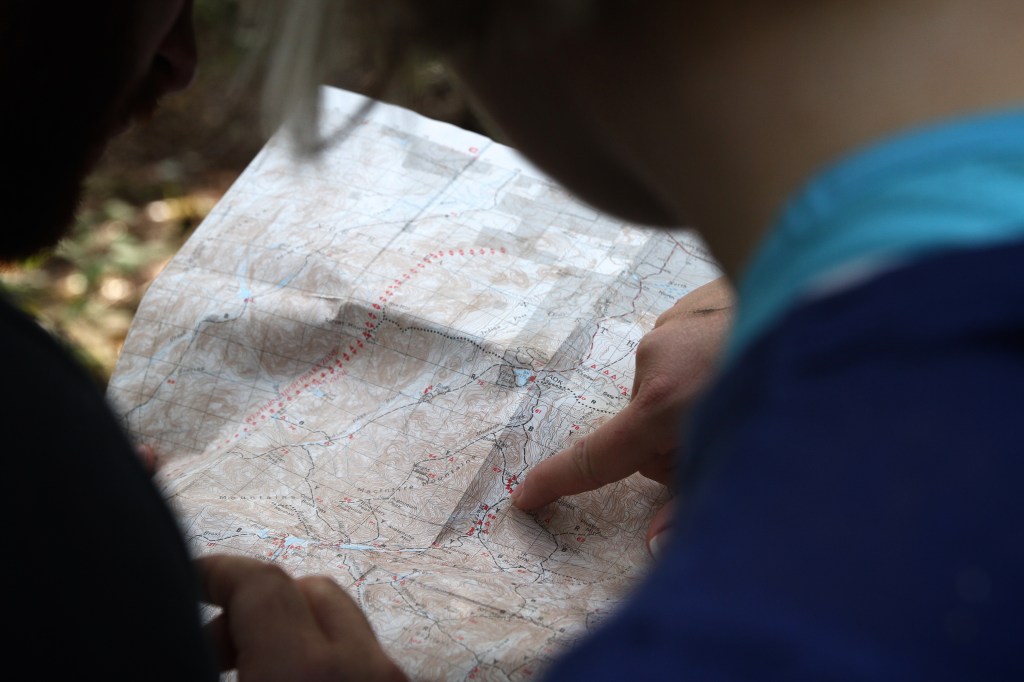
I don’t imagine that travel would become boring, especially if you always visit new and exciting places, but the manner in which one travels might get a little tame after a while. If you always go on tours, you’re probably going to get bored of tours. If you’re always backpacking you’re going to want to try a hotel or a resort at some point.
I had the chance one summer to travel in a manner entirely new to me; in the fashion of a treasure hunt.
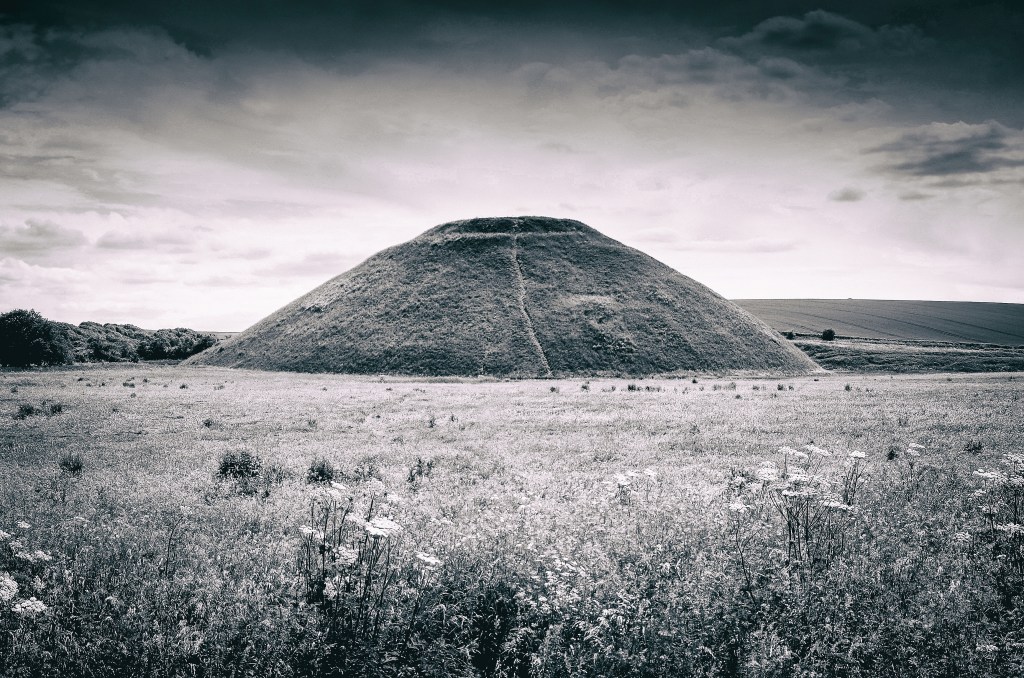
The British Isles are covered in Neolithic monuments. Cairns, passage tombs, henges, you’ll find these ancient structures all over the place. A quick google search will tell you where the nearest ones are. I had four within a half hour drive of my flat, and visited many more along my travels. I wish dearly that I could have seen more. The next picture below is of a neolithic mound called Silbury Hill near Avebury, and in the field opposite is West Kennet Longbarrow. It’s one of my favourite Neolithic sites and a place worth every moment you take getting to and exploring it. I recommend enjoying a sunset there.
When I came home to Canada I began to hunt down Little Free Libraries, boxes for the communities of which you can take and leave books in. The same thing applied, a quick google search and I found I had a few local ones I could track down and find. Geocaches offer the same concept, though admittedly without the pleasure of a good book to bring home after an adventure.
I can’t speak for others, but personally I really enjoy searching out and finding the little treasures of the world, be they local or far flung. I highly recommend the process!
It’s as easy as picking something that you’re interested in and want to find. Geocaches, cairns, local historical sites, graveyards and cemeteries, free little libraries, the possibilities are endless. Google the ones nearby and go! These little trips can be especially good if you want to get out and about during Covid. There aren’t usually a lot of people around these sites, and for most of the time you’re in a car. Keep your local covid restrictions in mind when you go out, wear a mask, and practice safe social distancing!
As always, wear a mask, wash your hands, and stay safe gentle listeners.
The London Eye
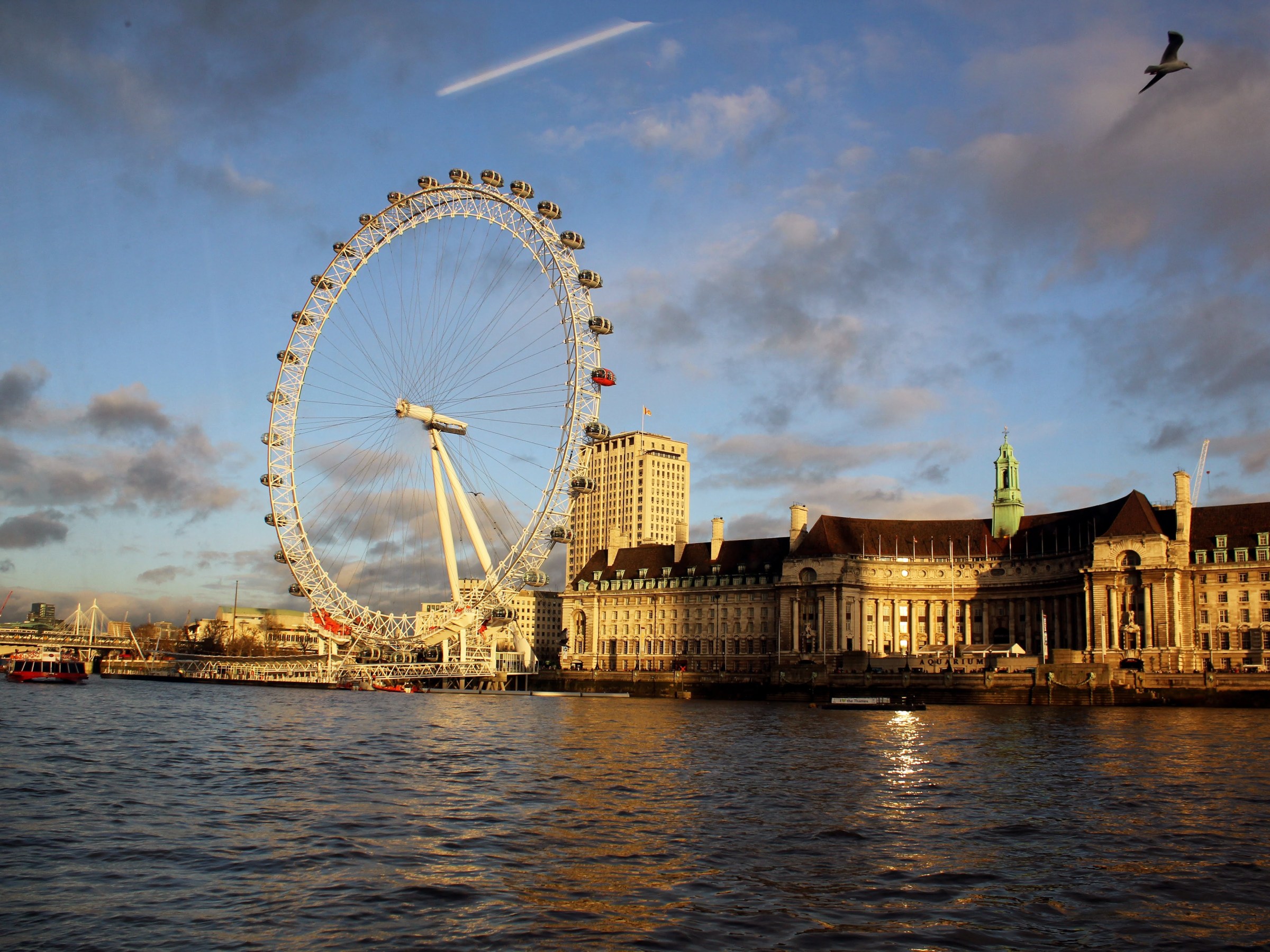
If you want to see London from great heights there are a couple of options available to you. You can climb the memorial for the Great Fire of London, there’s the top of St. Paul’s Basilica, and the top of the Shard. The most popular option however and the most well known is the London Eye.
No doubt you’ve seen pictures of it before, or at the very least heard of it. It’s a giant ferris wheel on the banks of the river Thames, with capsules instead of seats. It rotates slowly enough that it’s easy to get on while it’s still moving and you get excellent views of the city all the way up and back down again, not just at the top. I’ve only been once, near sunset, but I would be willing to bet the view at night is spectacular. On my way up to the Scottish Highlands I flew over London, all lit up.

You can get there very easily by taking the tube to Westminster on the Circle, District, and Jubilee lines. Just a short walk across a bridge and you’re there! Alternatively you could walk there from the Waterloo Station, but personally I find the better view comes from crossing the bridge.
Book ahead, it costs roughly £25 if you book ahead, £31 if you get there on the day and wait in line. You can also get tickets which give you access to other attractions in London like the river cruises or Madam Tussades.
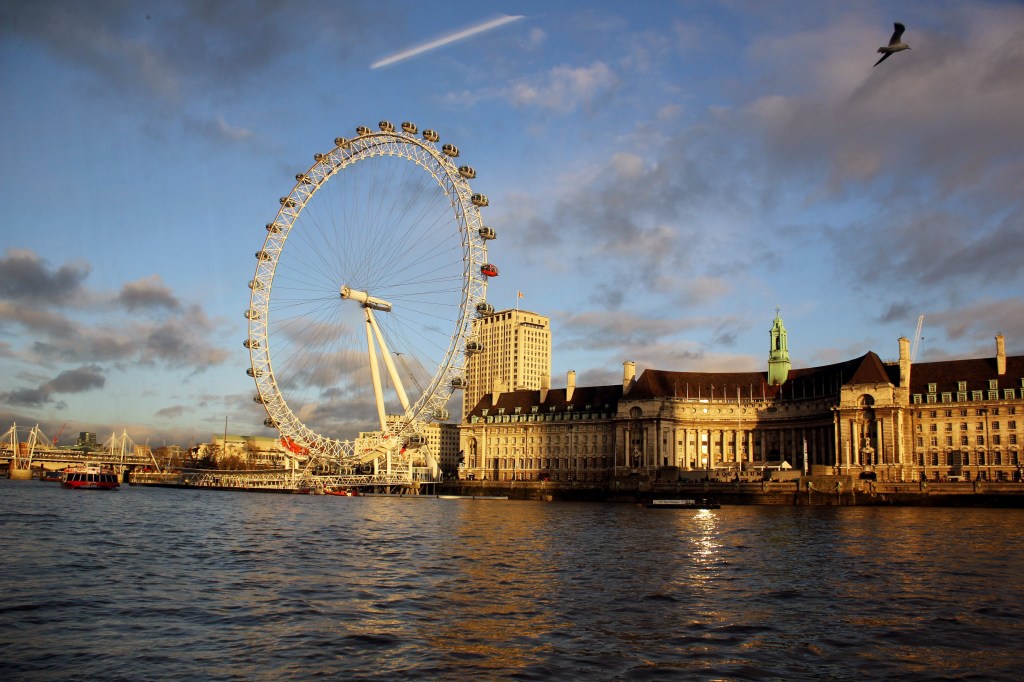
Bring a camera, you’ll want to capture the views, and a pair of good walking shoes because as much as the London Eye is worth seeing, you can’t really spend the entire day there. The entire ride takes about half an hour, and the lineup might take that or a bit longer. If you want to spend the day in the area I recommend seeing Westminster Abbey, Big Ben, the Parliament Building, Buckingham Palace, Trafalgar Square, the National Museum, and 10 Downing Street. They’re all within walking distance!
Wash your hands, wear a mask, stay home, and stay safe gentle reader.
5 Tips for using the Tube

When I took my family to London for the first time I had the distinct advantage of having used the Tube before years before. Mom was a bit apprehensive at first, but by the end of the first day out and about she agreed that it was the best way to go about things. It’s the quickest, cheapest, and easiest way to get around London and it’s boroughs by far. It can seem a bit harrowing at first, but these tips will help you get you on your way!
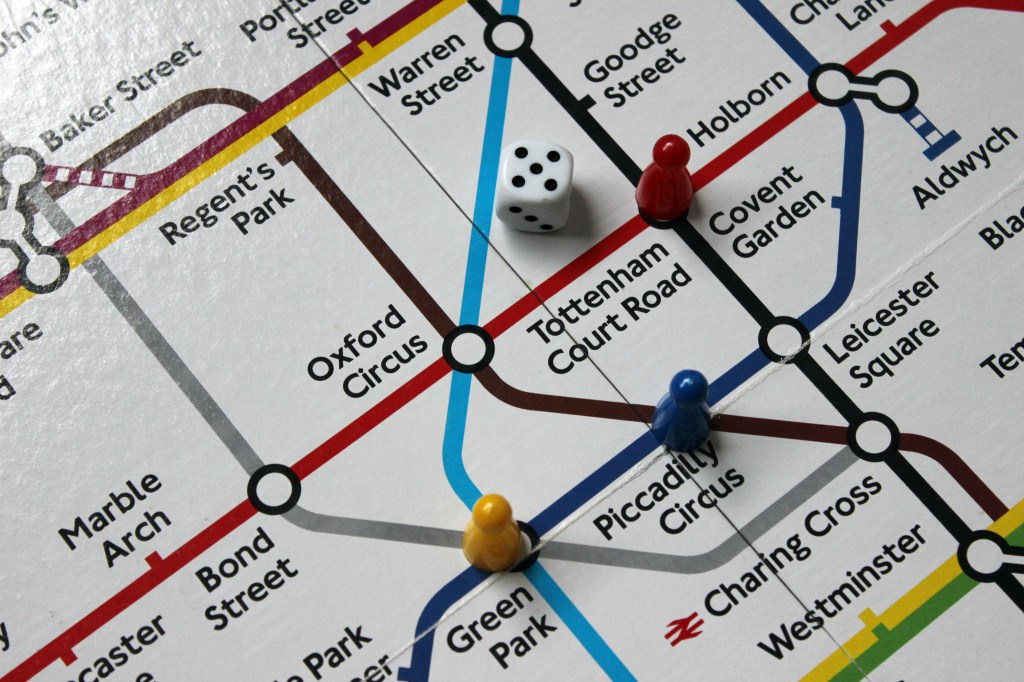
#1. Get an Oyster Card.
This card is an absolute gem. For a week-long trip I suggest a 7 day travel card, with zones 1 to 3. Those zones covers most of London, and if you have one trip that runs outside of those zones just keep a few coins onhand to pay for a ticket. If your hotel is outside one of those zones a bit of math will tell you whether or not you should add them to your travel ticket (you can add all of the zones if you wish) or just pay for the tickets as you go. In an emergency the toll booths also accept credit cards. Just tap either your oyster card or your credit card to the yellow circle and it should let you through. If it doesn’t go see one of the attendants, there are always some around. Be sure to tap your card on your way out of the tube! If you don’t tap out your card on your way out it will continue to be charged. It’s much easier to get a refund on an oyster card than it is a credit card.
This handy little card can be used on the bus, where you just have to tap when you board, and on the national rail service too to get to certain areas of London.
#2. Study your route in advance.
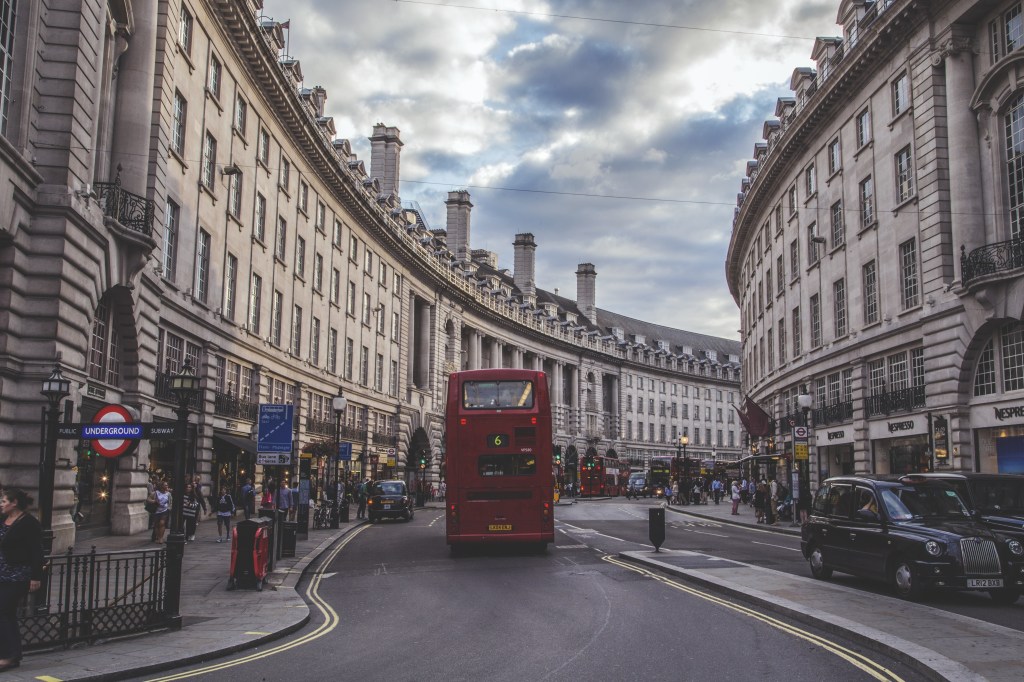
It’s a good idea to do this for any new route you intend to take, but it’s especially handy if you’re travelling in the London Underground for the first time. I suggest using the tube app for it, because it will show you disruptions, delays, and detours. You may have to get off on a different stop and do some walking, so it’s best to know in advance. Enter your starting point, your destination, and the time you’d like to depart or arrive at. The app will do the rest. I usually then use google to see where the station is, if there are any landmarks around, and what the street names. Rivers are especially helpful. To get to Camden Market from Camden Town Station you need to pass Inverness Street and cross water. If you come to a bend in the road, you’ve gone the wrong way. Little things like that are helpful in unfamiliar places.
#3. Get a mini map.
There are maps posted around the Tube but they’re often crowded by other tourists. London is a fairly safe city but those maps make you an easy target for pick pockets. Get a mini map, they’re free and available at nearly all the tube stations, and that way you can put your back to a wall while you study you’re route. You can also open it up on the tube even if it’s crowded or you can’t see the maps inside the trains.
#4. Pay attention to the directional signs.
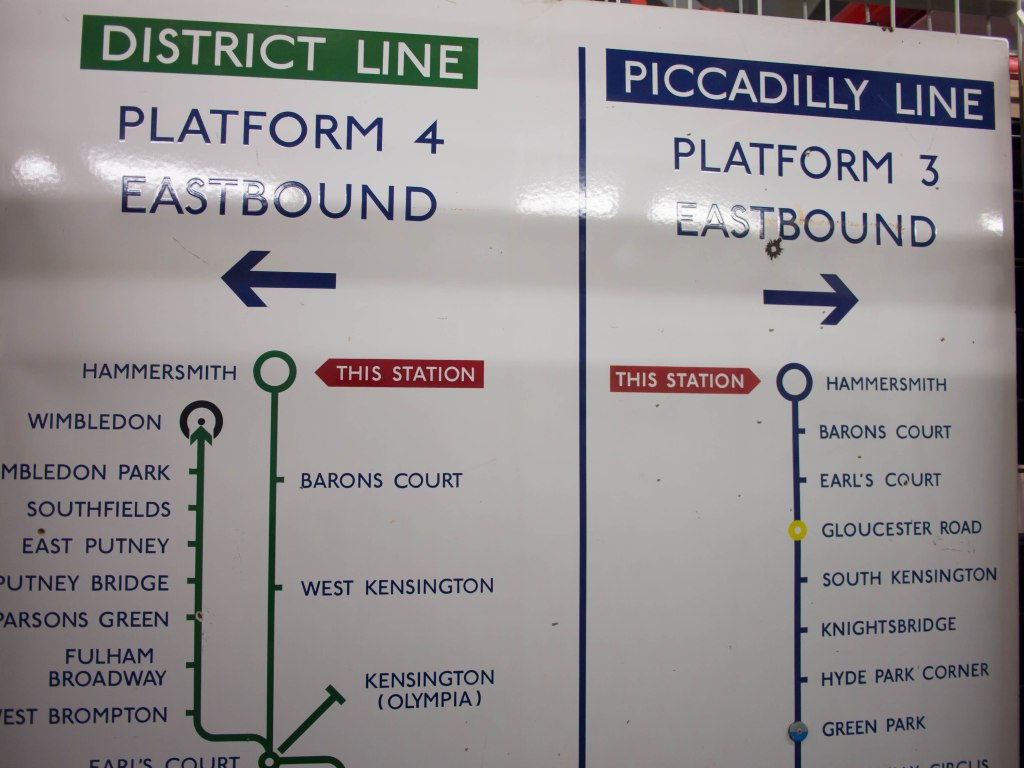
Each line is colour coded, so just follow the signs in the colour you want. Just before the train platforms there are usually signs which show you which platform goes which way. They’ll also have which station you are at on the top, either marked in some way or highlighted. Find which station you want to get to, and follow the arrow on that sign. It points to the correct platform.
#4. Be a sheep.
Each rail is colour coded, but as long as you’re following the right coloured signs you can be a little bit of a sheep and follow along with everyone else. It may seem like you’re going deeper and deeper or further from where you think you should be, but trust the process. If all else fails, you can ask someone. If you can’t find anyone in a high visibility jacket, plan B is to ask a local. Wait until there’s no longer a train on the platform and go up to someone in a suit. They work in London, they use the tube every day. Be polite, tell them what station you need to get to, and ask them if the next train is the right one. Some platforms have two sets of trains. Londoners take pride in knowing their tube system like the back of their hand. If they’re rude, refuse to help, or don’t know how to get where you need to go, just walk down the platform and ask someone else. Remember to thank them, irregardless of how helpful they actually were.
A few extra tidbits for you gentle reader; bring hand sanitizer, millions of people use the tube every day, try to avoid loud conversations in the Tube, the English like to treat it as though it’s a library, and allow people to get on and off the train as efficiently as you are able. Use these tips and you will be using the Tube like a Londoner in no time! Stay home, wash your hands, wear a mask, and stay safe, gentle reader.
The Cliffs of Moher
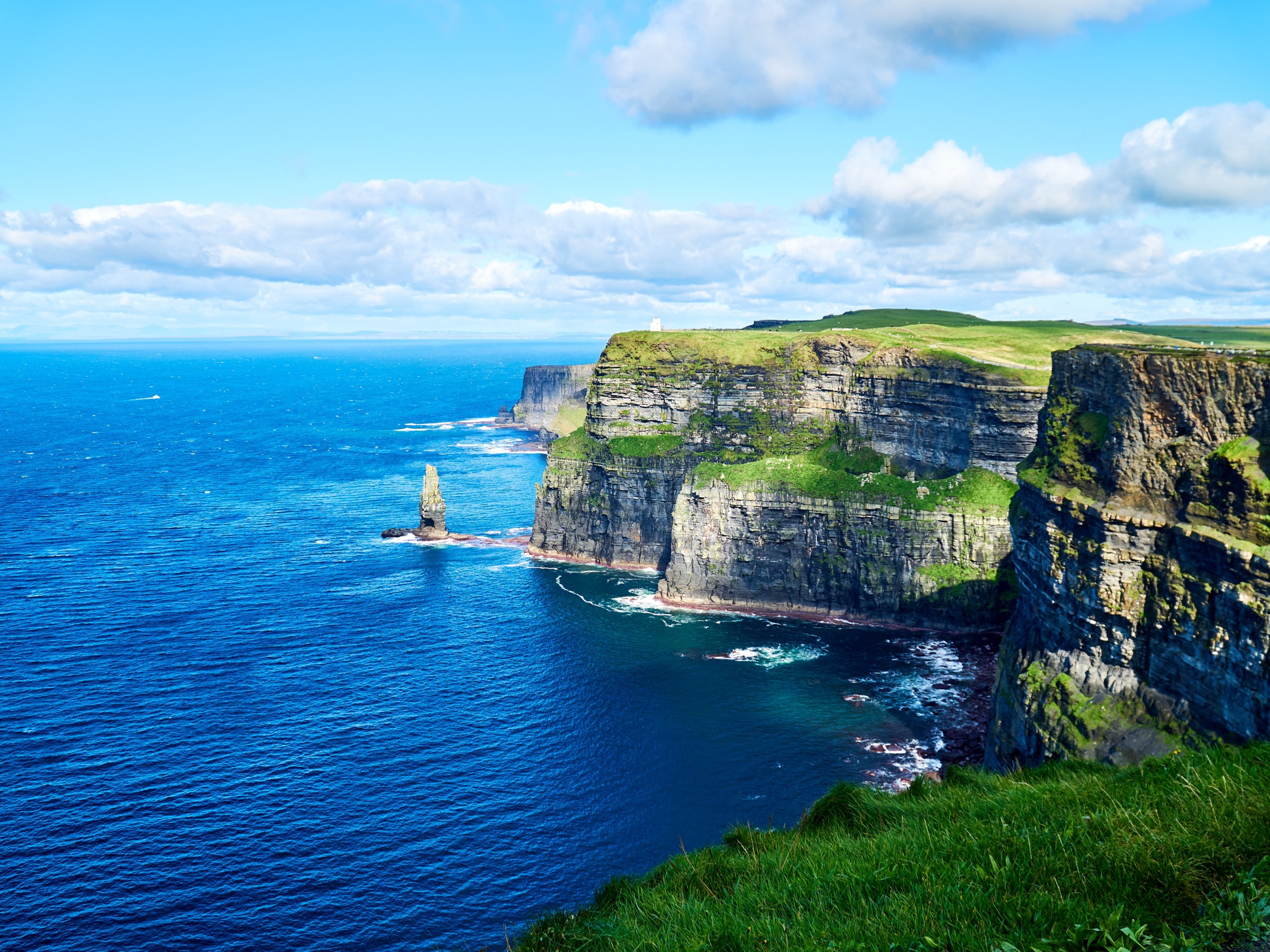
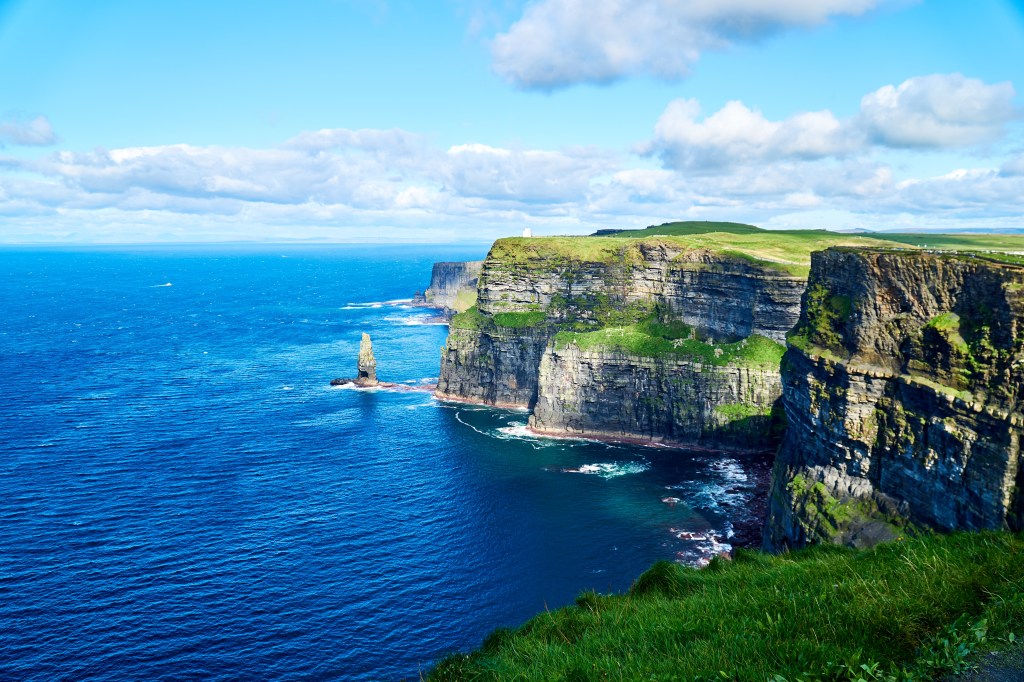
Part of Ireland’s heritage and natural beauty, there’s a reason the Cliffs of Moher attract tourists from around the globe. Anyone who has been to the cliffs knows that the views from the top are spectacular.
Sometimes.
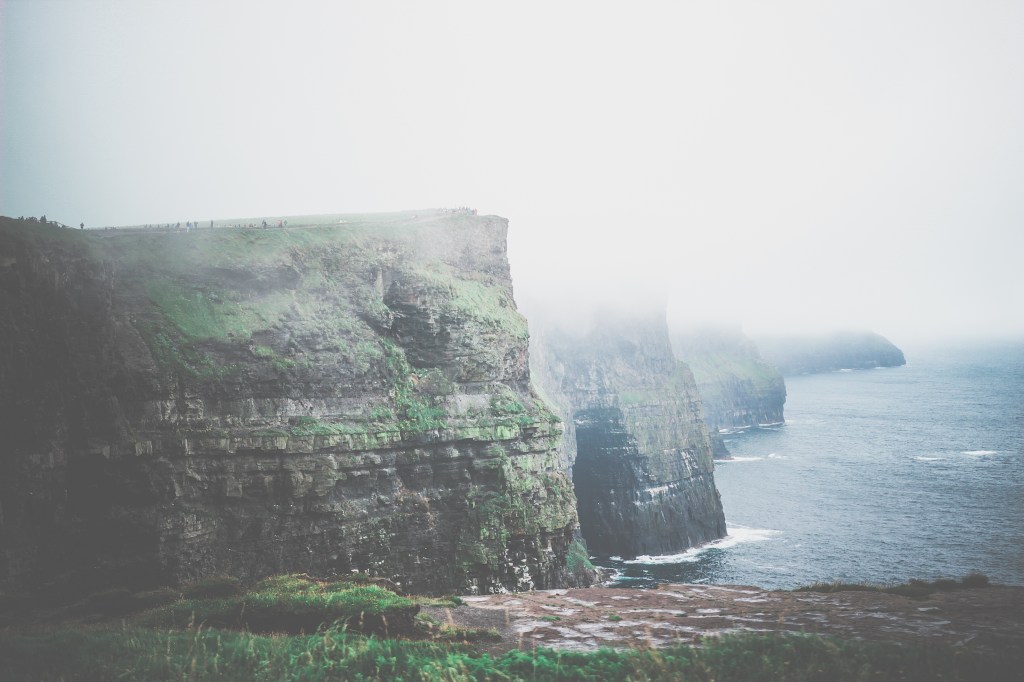
Like any sea-side feature they’re subject to sudden fog, storms, and other natural phenomenon that don’t make for the best viewing. I imagine more than one photographer has made their way to the cliffs only to find a thick layer of cloud surrounding their potential subject.
Don’t get me wrong, even in the fog it can be quite an experience. You can still feel the sea breeze, still hear the ocean somewhere below, and you can see the tower built on its edge. You’ll also likely be able to hear musicians playing fiddles or flutes somewhere nearby. Be sure to drop a few coins in their hat as you pass, sun or no.
I’ve had the chance to see it on two occasions, the first time it was bright, sunny, and Arrow and I had a magnificent time wandering walking along the path which coils around the edges. The ocean was fairly calm that day, and Arrow got some amazing photos. We also spent a few minutes in the gift shop where I purchased a Christmas ornament. The second time I was with my parents and we were very lucky to catch a good glimpse of the cliffs just before a storm rolled in.
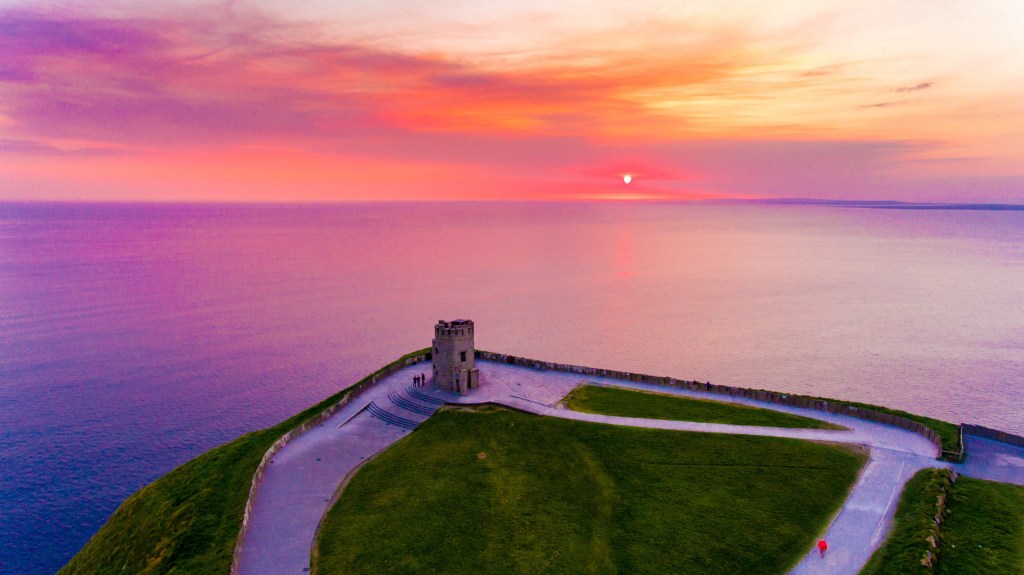
It’s part of the mystique, I think, the Cliffs of Moher hold, and part of the reason I think so many people want to visit. You never know what you’ll get from them. They’re unpredictable and unbeholden to the wills of travelers. It’s particularly difficult and frustrating if, like me, you’ve travelled from across an ocean to see them.
I happened to be very lucky, but I also planned for what I could.
Generally the foggiest times are throughout winter, and in the mornings of any season. If you’re planning a trip to Ireland and you want to see the Cliffs of Moher, I recommend aiming for the summer. If possible aim for around May or June, and either plan to arrive or choose a tour which gets to the cliffs sometime in the
afternoon.
Bring a raincoat just in case, and a warm sweater. The wind off the sea can be quite nippy and very strong, so stay away from the edge, it could sweep you right off the cliff! Bring water and good walking shoes if you plan a lengthy walk.
Wear a mask, wash your hands, stay home, and stay safe gentle reader.
10 Signs you’ve travelled extensively
You know you’ve travelloned a lot when …
#1. Your friends don’t bother asking “How do you know that,” anymore. The answer is now assued to be “I’ve been.”
#2. You think your home country is boring until your friend points out all the interesting places they’d like to visit. You then realise it’s not boring, you’ve just already been to the well known interesting places and now you need to find the secret ones.
#3. Packing light is an engrained behaviour now, even if you’re just going out for the day. Non-essencials are nonsensical.
#4. You and your designated travel buddy have an arrangement that you, the experienced one, will plan all trips.
#5. You unironically use various bits of vocabulary from your travels.
#6. Petitions are now inherently suspitious to you.
#7. You are now mad at liquor store for not importing your favourite drinks.
#8. You’re now also mad at the local shops for not having the wonderful treats you tried abroad.
#9. You have an ongoing and accurate recollection of all the vaccines you’ve had.
#10. You’re not just planning your next trips, you’re planning several trips in advance!
Old Pompeii: The Reality
If you’ve read the previous part of this post you know that Pompeii was a city covered in ash when a a nearby volcano exploded in 79AD. The town lay smothered for centuries until excavation of the site started in 1738. When you visit it’s easy to accept these sterilized words as the truth, as easy as it is to roam the ancient city enjoying the architecture and the sun.
It’s not the truth, though.
That story is missing details, just like the city is missing disaster.
The truth is that the citizens of Pompeii and Herculaneum suffered a devastating fate, none of which was clean, curated, or even unexpected.
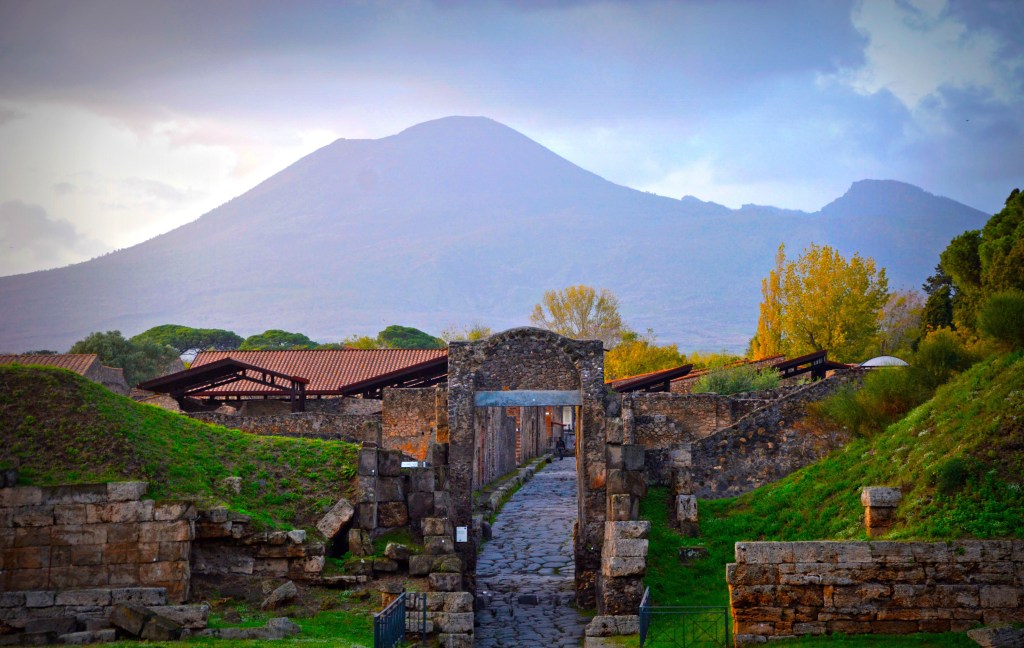
Unlike the movie Pompeii where the locals think of Vesuvius as a grumbly mountain, the true Romans knew they had built their town near an active volcano. Fertile soil and hot springs make for an ideal resort destination, and when the earthquakes came they knew exactly what that meant. Fifteen years before Vesuvius blew one earthquake nearly levelled the town at which point many wealthy families simply left and did not return. Many more would flee when the earthquakes became more frequent in the days leading up to the eruption. When the mountain began to smoke still more fled to neighbouring towns or out to sea.
Vesuvius smoked for a full day before unleashed it’s wrath upon the world.

When Vesuvius erupted those who were still evacuating were hit with earthquakes and tidal waves. A massive black cloud shot up from the mouth of the volcano, blotting out the sun. They were plunged into an unnatural night as the cloud fell, raining down ash, stone, and pumice. With every breath moisture turned ash to cement in their mouths. Hot, noxious gasses filtered down, suffocating more victims. Desperate gasps for air only dragged more poison into their lungs. In Herculaneum some took shelter in the boathouses which lined the harbour. Women and children crowded in the back while men stood near the entrance. The ash piled ever higher until eventually they were sealed in. Poisonous gas, ash, and dust descended to suffocate them while the heat vitrified the brains in their skulls. Those who were caught directly in the pyroclastic flow would have perished in seconds from the sheer heat of the cloud ripping over them. Most of the people left in Pompeii were either poor or slaves. They had nowhere else to go.
If you want a glimpse of what that looks like, search for a building with three walls and a roof. If I remember correctly it’s in the center of Pompeii. This is where you will see the remains. When Vesuvius erupted the ash fell so deeply that pockets of air and bones were left after the bodies rotted away. Archaeologists began to discover these air pockets and soon came up with the idea to pour molding material into the hollows. They were left with a rough cast of what the victim looked like when the volcano took their lives.

A sweeping glance might fool you into thinking their death was peaceful. The casts look like depictions of people who simply died in their sleep with their loved ones nearby. They’re fascinating if you don’t look too close or think too hard about it.
The dog makes that impossible.
His contortion makes it obvious. He is forever fighting death and the chain that damned him.
Glance around again and you might begin to notice how the human casts don’t sit quite right, either. They’re not as placid as they first appear. They’re rigid in desperation. Their expressions are pained, fearful.
It’s certainly not a display for small children, but I think it’s best to see it when one is young.
I saw it at twelve. Wise enough to know that these casts were to be respected; not yet educated enough to know what happens to a body when it’s subjected to an act of God; ignorant enough to stand fearless in the shadow of an active volcano while I admired it’s work.
I just knew that the people I saw felt how the dog looked. That’s enough for any child to understand. As an adult my advice is try not to think about it too much, but remember what warning of the grim faced casts: Run while the skies are still clear.
 Lostman's Star