Lostman's Star
Not all those who wander are lost, but I certainly am!
The Colosseum

I honestly wish I had seen the Colosseum later in my life, and had spent more time in it when I had visited so here’s my one big piece of advice for visiting the Colosseum: Brush up on your roman history before you go, especially concerning the gladiators. It doesn’t matter if you read a book, fiction or non, or watch a bunch of documentaries, or even the Starz Spartacus series. Whatever you do, make sure you know a bit of the history.
I didn’t, and I wasn’t terribly impressed with it. Now I regret it, and I would love to go back again to correct my ignorance.
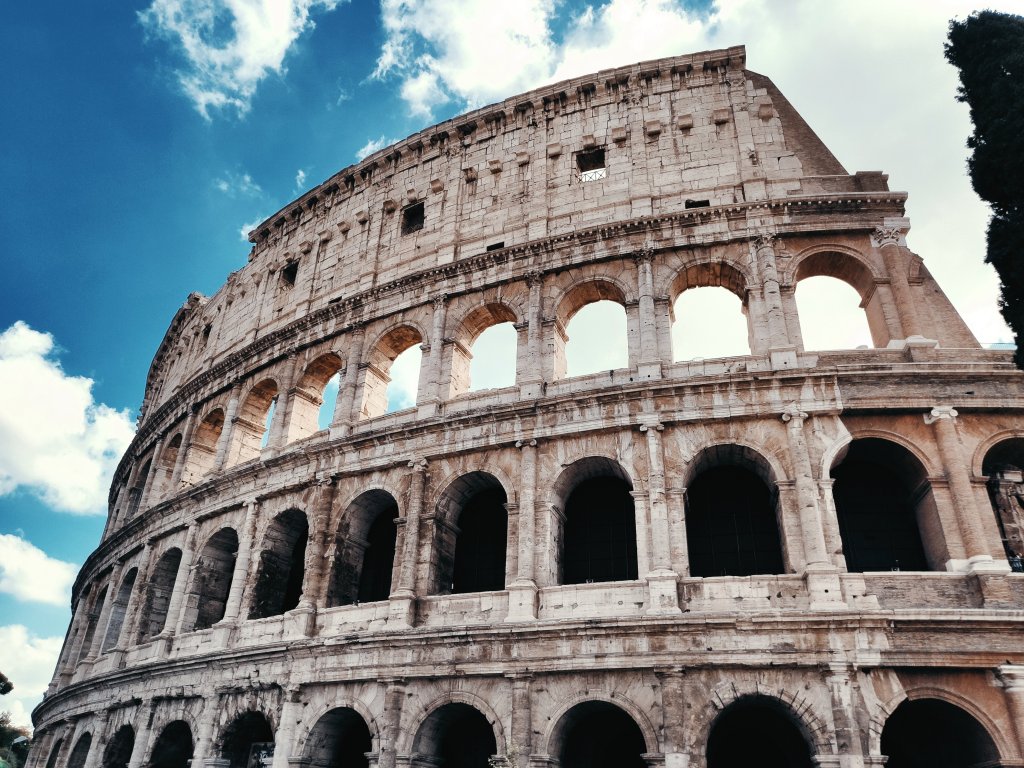
I don’t remember much of it, but the two that I have are very vivid. I remember standing outside of it after I had visited, and noting just how big it was compared to what I had thought it would be from seeing pictures of it.
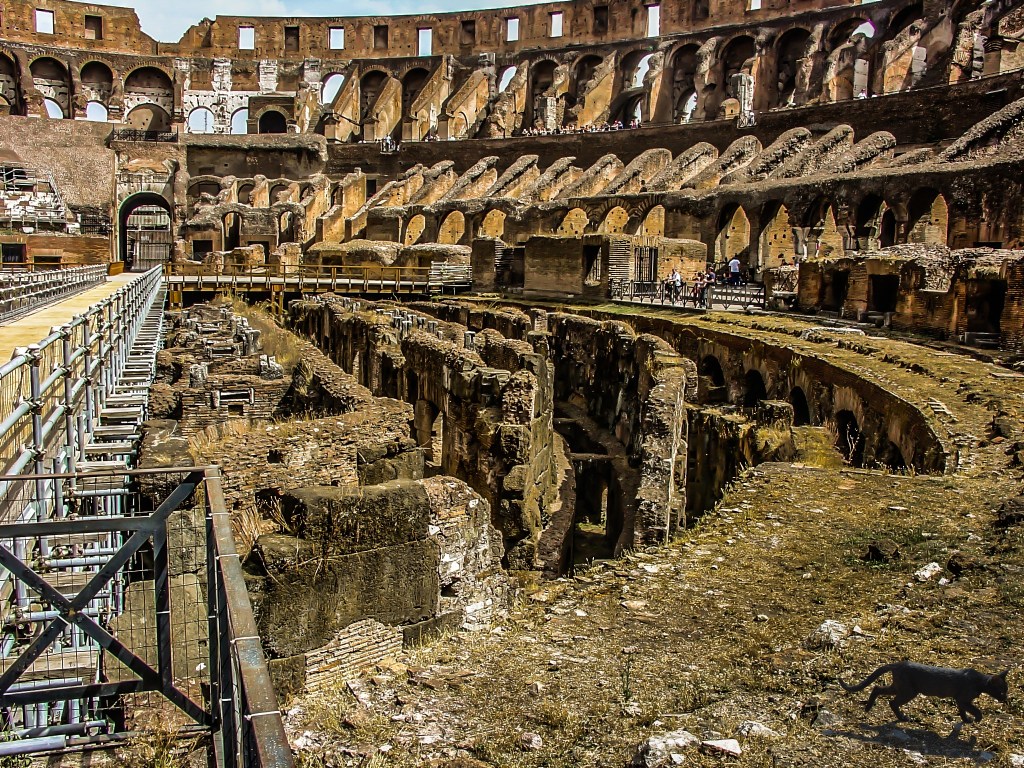
The second was standing, squinting in harsh sunlight, on the very edge of what remained of the arena. I could see pillars that would have supported a wooden floor, and columns that would have supported the seating. I remember wanting to walk out into the arena but being unable to, and wishing that I could have seen it covered in sand. I just couldn’t picture how everything was put together, and I didn’t have an appreciation for what I was seeing. It was like looking at a skeleton without knowing what animal it belonged to.
In ancient Rome the games were so frequent, popular, and important that they once almost bankrupted the empire. The Romans had funerary games, games to celebrate and venerate their deities, and of course politicians held games to increase their popularity. In these theatres they would not only hold gladiatorial games but also Bestiarii where animals and gladiators would fight each other, recreations of the myths which were part of Roman religions, recreation of battles, the execution of criminals, and at one point a naval battle.
To see the skeletal Colosseum without knowing what the games entailed is to miss out on knowing that the base of those pillars are where the animals were kept, that lions, leopards, and bears all paced in their cages while gladiators fought above. You’d miss out on knowing that there was a pully system which would raise the animals up to the arena, and that gladiator battles actually had a referee, and that the point of the flight wasn’t for either fighter to die, but just to surrender. I could go on about the gladiatrix, the politics, the Vulcanalia, the Saturnalia, how it and many other places like the Circus Maximus are connected, but I think it’s important that you discover what you like for yourself. Otherwise you might go and mistake it for a decaying ruin.
There’s also a museum inside the amphitheater but trust me it’s better to know all this in advance because it’s a lot to take in!
There is a €16.00 entry fee, and although the Colosseum is open despite Covid, you do need to book a time to visit. Try to book as early as you can in both senses of the word. It’s a very popular tourist attraction, so you’ll want to make sure you book well in advance, and you will want to go either as soon as they open at 10:30, or later in the evening. Being in the amphitheater in the full heat of the afternoon will not be fun, especially if you plan on visiting Rome in the summer.
Bring sunscreen, several bottles of water, a fan (handheld, no battery works best, you can find them everywhere in Italy), your camera, and maybe a small book of pictures to help you see what the Colosseum would have looked like in it’s full glory. If you can get a guided tour because there’s so much to learn about this wonderful place, you won’t regret getting all of the information you can!
 Lostman's Star
Great post tthank you
LikeLike